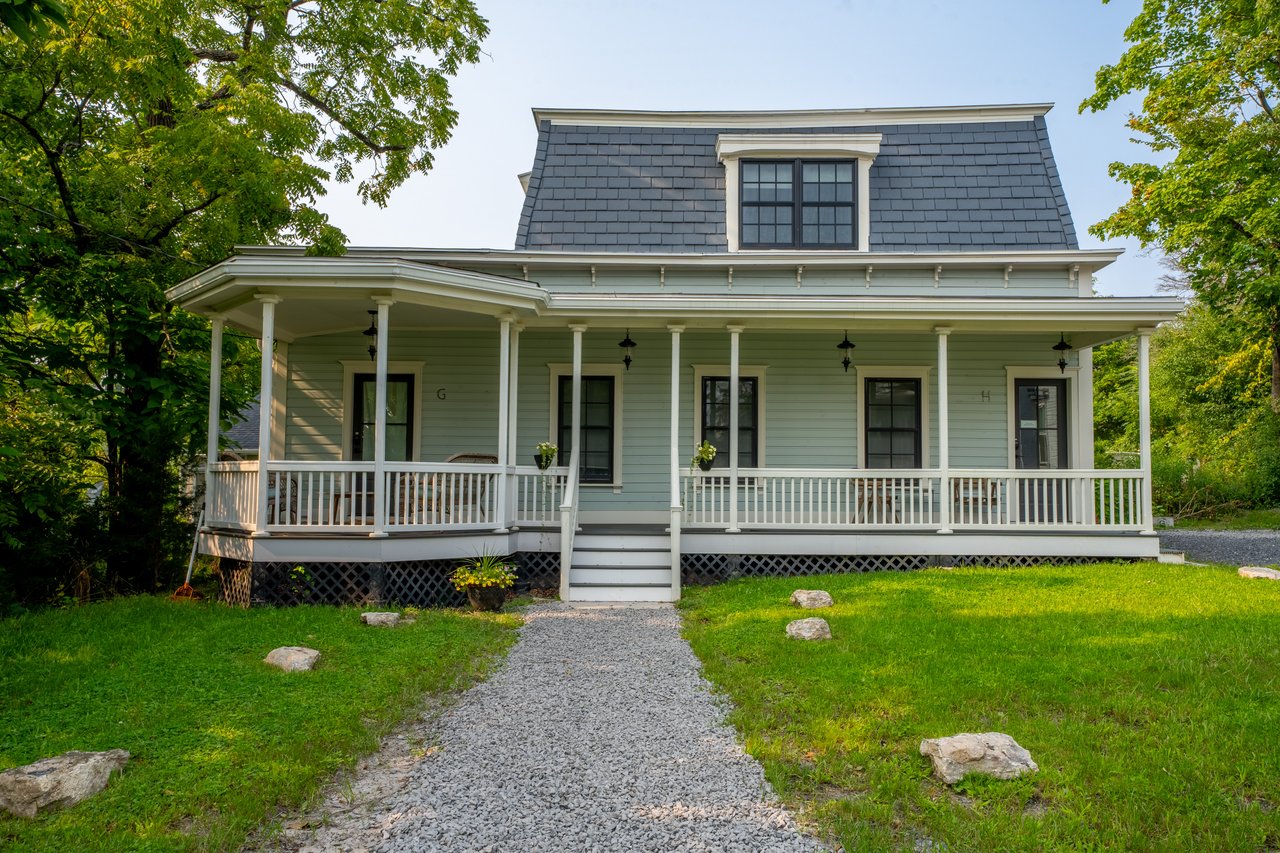
Renovating Historic Catskill Homes: Preserve Charm, Boost Efficiency
Angela Lanuto October 23, 2025
Angela Lanuto October 23, 2025
Love your Catskill home’s original windows, staircase, and porch details but dread winter drafts and rising bills? You are not alone. Renovating a historic house is a balancing act between character and comfort. In this guide, you’ll learn how to plan upgrades that respect Catskill’s history while improving efficiency, plus the key permits and incentives you should know before you start. Let’s dive in.
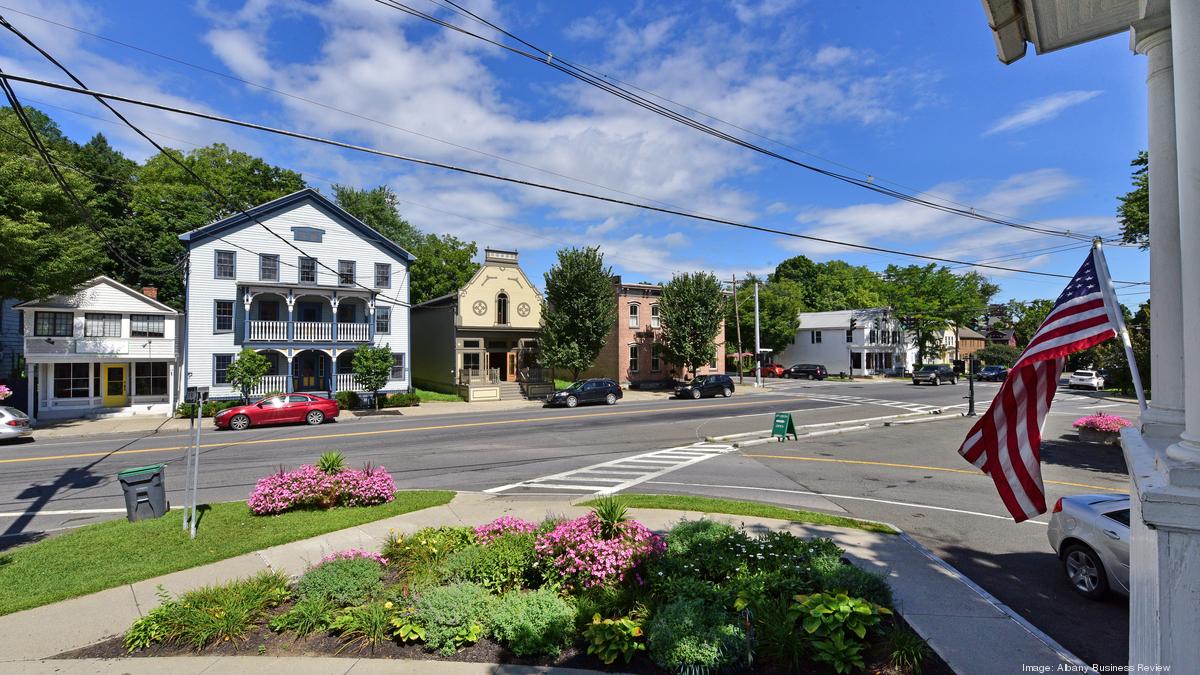
Catskill includes the East Side Historic District, home to hundreds of 19th and early 20th century buildings and the Thomas Cole National Historic Site. Many properties in and around the village sit within recognized districts or are individually listed. Knowing your home’s status helps you protect its value and plan work that meets review standards. If you are not sure, start with a status check and a quick call to local code enforcement.
Learn about the East Side Historic District.
Before you hire a contractor, confirm what reviews you need. The Village of Catskill Code Enforcement and Planning office handles permits for common work like roofing, window and siding changes, porches, HVAC, additions, and finishing basements. If your home is in a historic district, some exterior work may need additional review.
Check permit triggers and contacts on the Village of Catskill Code Enforcement & Planning page.
State and federal programs can offset costs when you plan ahead.
You can reduce drafts and bills without losing original details. Start with improvements that give you the biggest benefits with the least visual impact.
Air sealing and insulating the attic often deliver the best first-year savings. Seal penetrations and maintain proper ventilation to prevent condensation in historic assemblies. Wall insulation can be effective but should follow a building-science assessment to avoid moisture problems. See NPS guidance on energy upgrades for historic properties in this technical training article.
Original wood-sash windows can last for generations with repair and weatherization. Add interior or exterior storm windows, and upgrade weatherstripping and glazing. Full replacements are a last resort, and vinyl units are typically not favored in reviews. The state homeowner tax credit recognizes storm windows and window repair as eligible work. Review eligible scopes on the NYS Historic Homeowner Credit page.
Modern air-source heat pumps can be added with minimal exterior impact and work well in many Hudson Valley homes. Ask for proper load calculations and hide outdoor units and penetrations from public view when possible. Incentives can help with cost, and policy momentum supports efficient heating, as seen in the NYSERDA Newsroom. If you have steam or hot-water radiators, you can pair a heat pump for most days and keep a high-efficiency boiler for peak cold. Aim for minimal changes to visible historic fabric, following the Secretary of the Interior’s Standards.
If you have slate, repair or replace in kind to keep the home’s profile and durability. Improve gutters, downspouts, and flashing to control moisture. Porch and trim repair should match original profiles and details. Exterior scope often helps you meet the 5% exterior spending minimum for the NYS homeowner tax credit. Program guidance is on the NYS Historic Homeowner Credit page.
Rooftop solar can be compatible when panels are sited on rear slopes or areas with low visibility from the street. Early documentation and placement diagrams help with review. National preservation policy is moving toward streamlined review for well-sited installations. Read more in this Advisory Council update.
A clear process keeps projects on schedule and preserves eligibility for incentives.
Look for contractors with historic-house experience, EPA RRP certification, and familiarity with NYS OPRHP homeowner tax credit requirements. Ask for local references and proof of insurance. For complex projects or credits, consider a preservation architect or consultant. For standards and best practices, see the Secretary of the Interior’s Standards.
When you plan thoughtfully, you can preserve Catskill’s architectural character and make your home more comfortable and affordable to run. Start with an audit and attic work, repair what you can, and phase in larger upgrades like heat pumps or slate roof work. Confirm permits, get pre-approvals, and document everything for credits.
Thinking about how a renovation could impact your home’s value or your next move in the Catskill market? Let’s talk about timing, resale strategy, and trusted local resources. Reach out to any of The Angela Lanuto Team's agents for guidance tailored to your goals in Catskill and the greater Hudson Valley.
Stay up to date on the latest real estate trends.






GET IN TOUCH WITH THE ANGELA LANUTO TEAM AT COLDWELL BANKER VILLAGE GREEN REALTY TO LEARN MORE

OFFICE ADDRESS 397 MAIN ST CATSKILL NY 12414