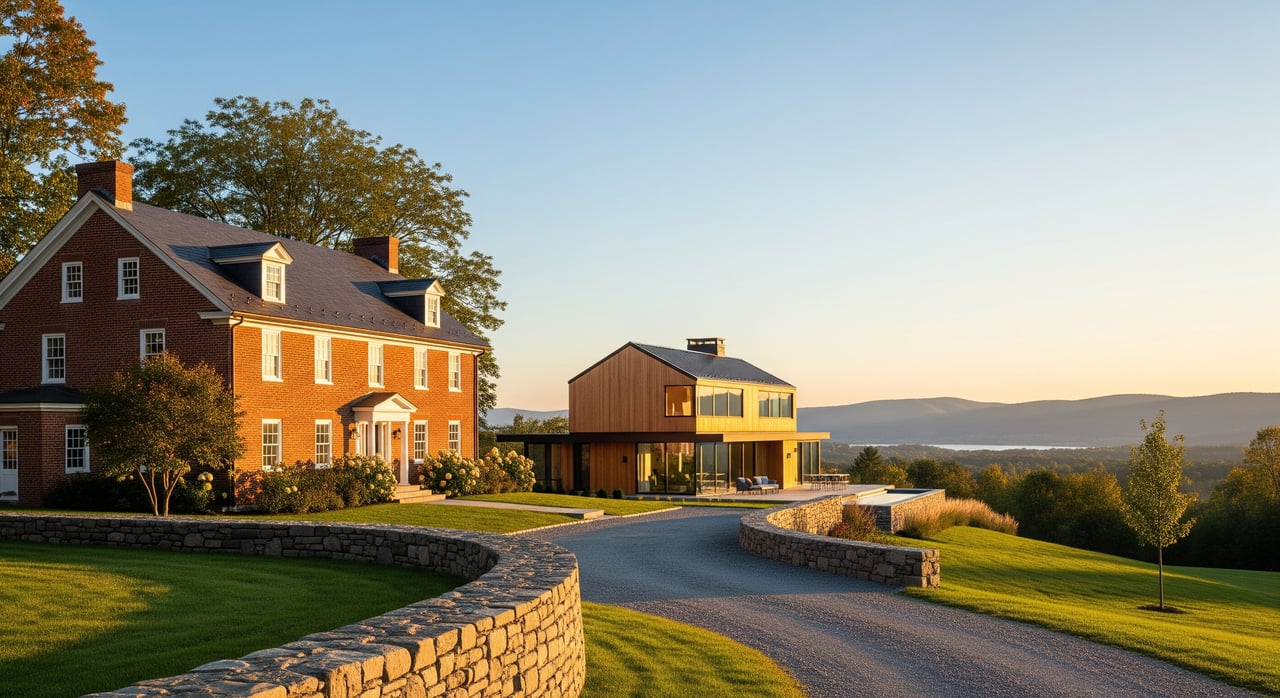
Catskill New vs Historic Homes: How to Decide
December 18, 2025
December 18, 2025
Torn between the character of a 19th-century Catskill Victorian and the ease of a brand-new build? You are not alone. Each path offers clear benefits and real tradeoffs, especially in a river town with a deep architectural legacy. In this guide, you will learn how new construction and historic homes compare on maintenance, energy, insurance, resale, financing, and due diligence in Catskill. Let’s dive in.
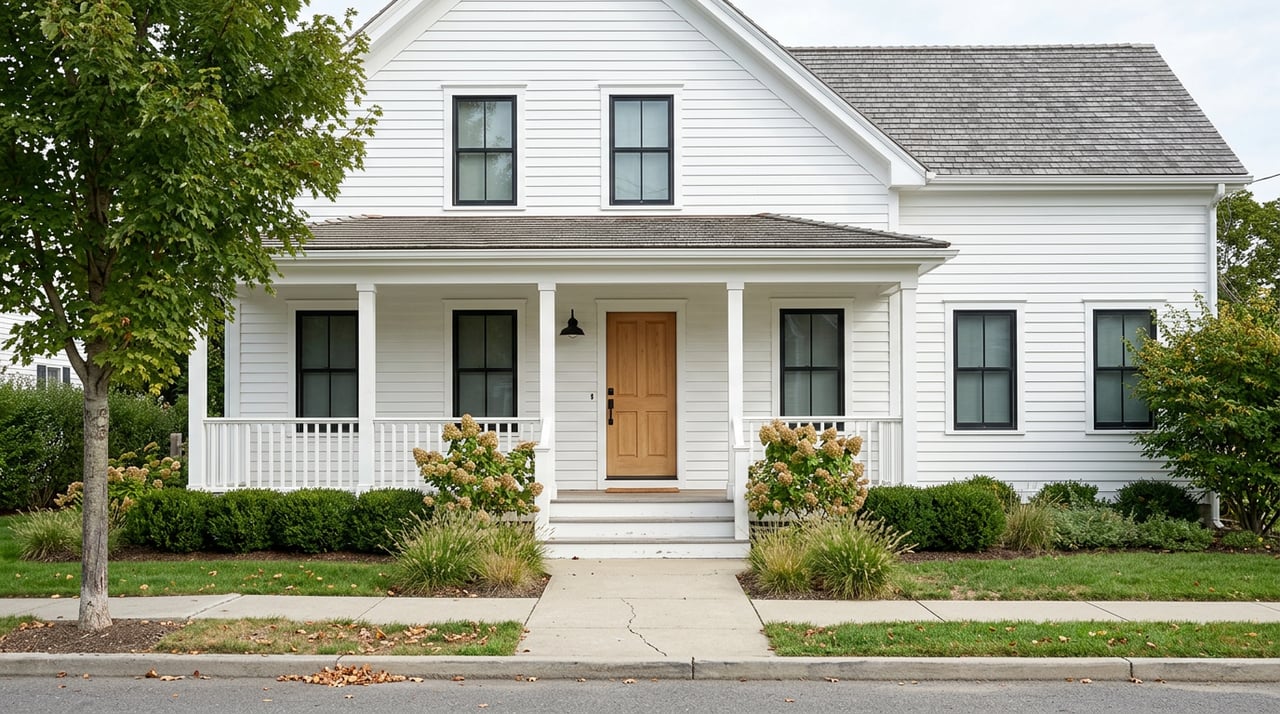
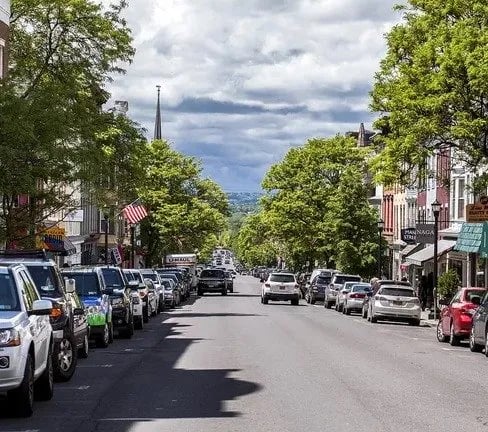
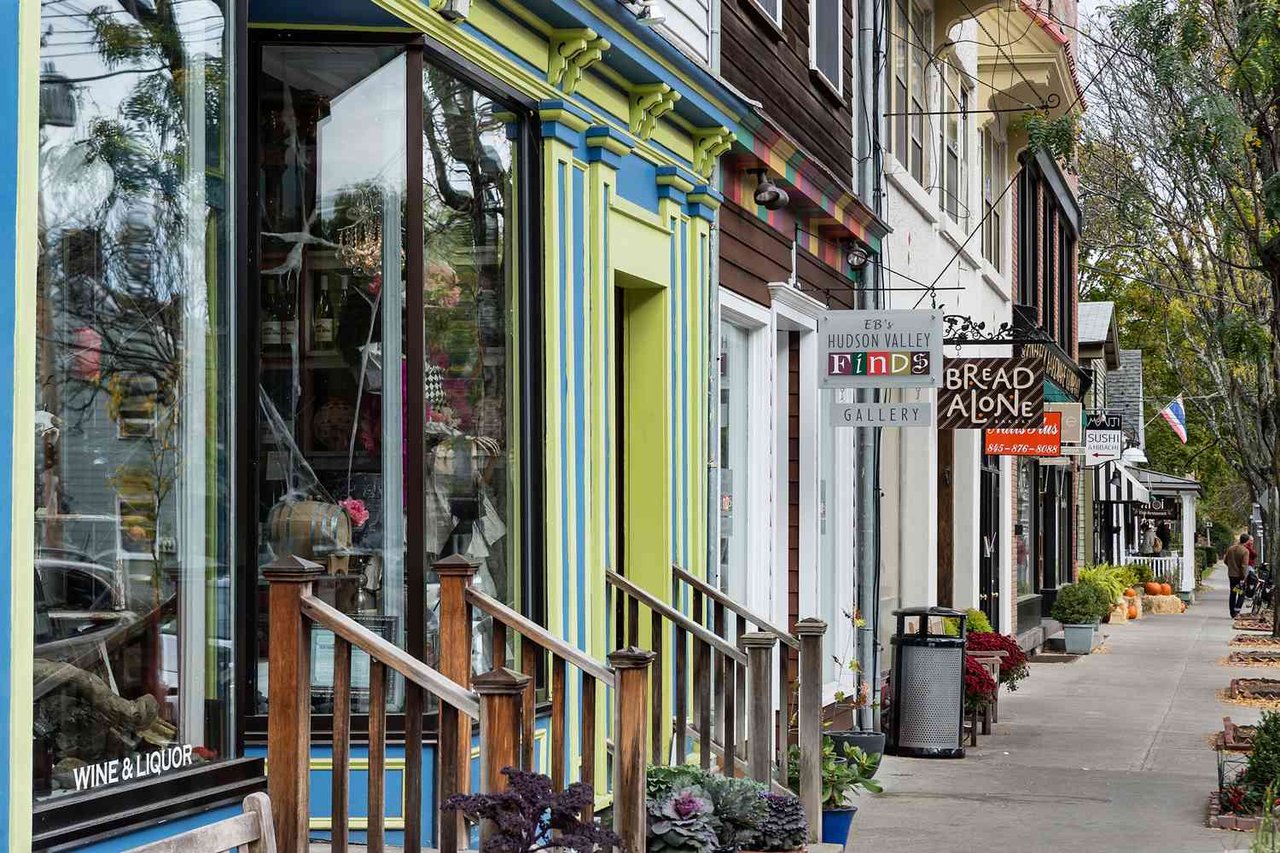
Catskill blends historic streetscapes near Main Street and the river with scattered newer homes. Many properties date to the 19th and early 20th centuries, reflecting styles like Victorian, Greek Revival, and Italianate. The Thomas Cole National Historic Site highlights the area’s cultural heritage.
New construction exists, but it represents a smaller share of listings. You will see infill, adaptive reuse, and individual builds more often than large new subdivisions. This means your search may span unique historic homes alongside modest post-1990s construction.
Older framing and foundations, aging roofs, original windows, plaster, and historic trim are common. Mechanical systems can include boilers, cast-iron plumbing, and in some cases knob-and-tube wiring. Specialized trades for masonry, carpentry, and plaster work often raise costs.
Deferred maintenance is common, and timelines are less predictable. A thorough inspection and realistic repair budget are essential before you commit. Expect higher variability in cost and timing.
New builds typically offer lower near-term maintenance with modern electrical, plumbing, and HVAC. Many include builder warranties that cover systems and structure for defined periods. Replacement timelines tend to be predictable, like roof life in the 20 to 30-year range.
For the first 5 to 10 years, costs are generally easier to estimate. Expect fewer immediate capital surprises.
Many older homes have limited insulation, single-pane windows, and older heating systems such as oil or steam. Retrofitting for efficiency is possible, but costs can add up, and exterior changes may require review if the property has local historic oversight.
Energy audits and blower-door tests help you prioritize air sealing, insulation, and system upgrades. Federal and New York State incentives may apply for insulation, heat pumps, and electrification, subject to eligibility and any local approvals for visible exterior work.
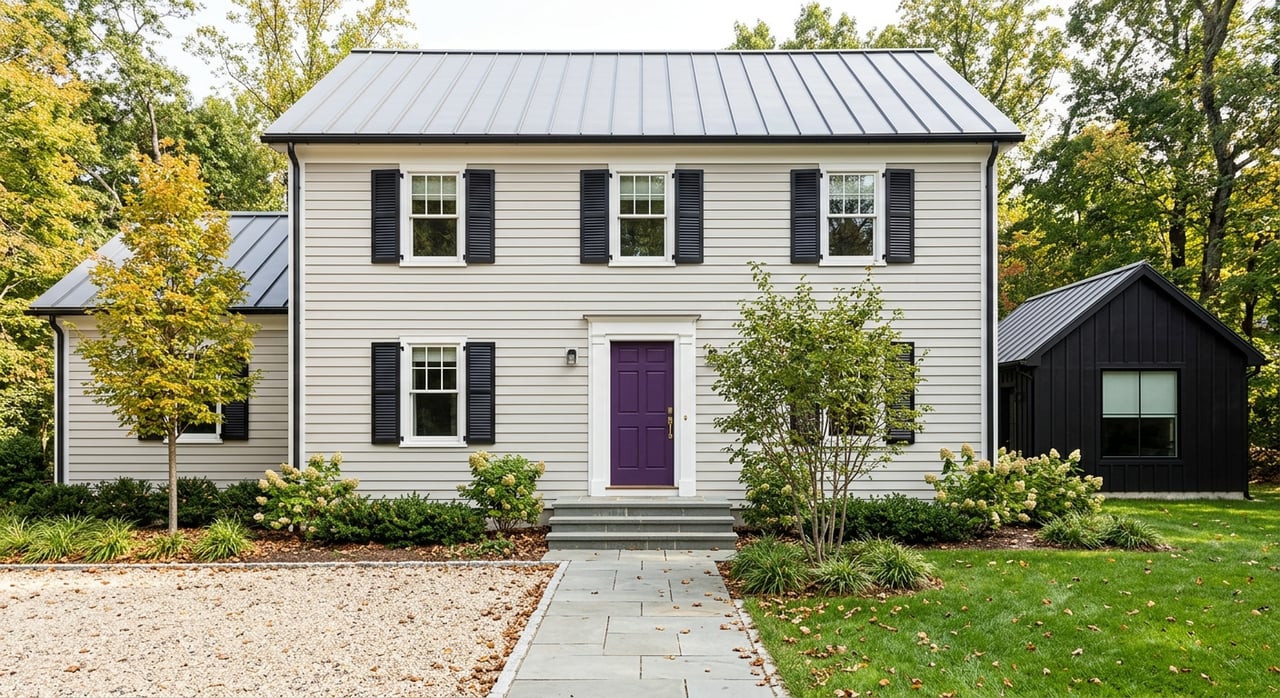
New homes are built to current New York State energy codes. They are typically tighter, better insulated, and often heat pump ready. It is also easier to design for low-energy performance and to add solar, whole-house ventilation, and EV readiness from the start.
Builder-installed efficiency features and incentives are often simpler to access. Expect lower utility consumption compared to most unrenovated older homes.
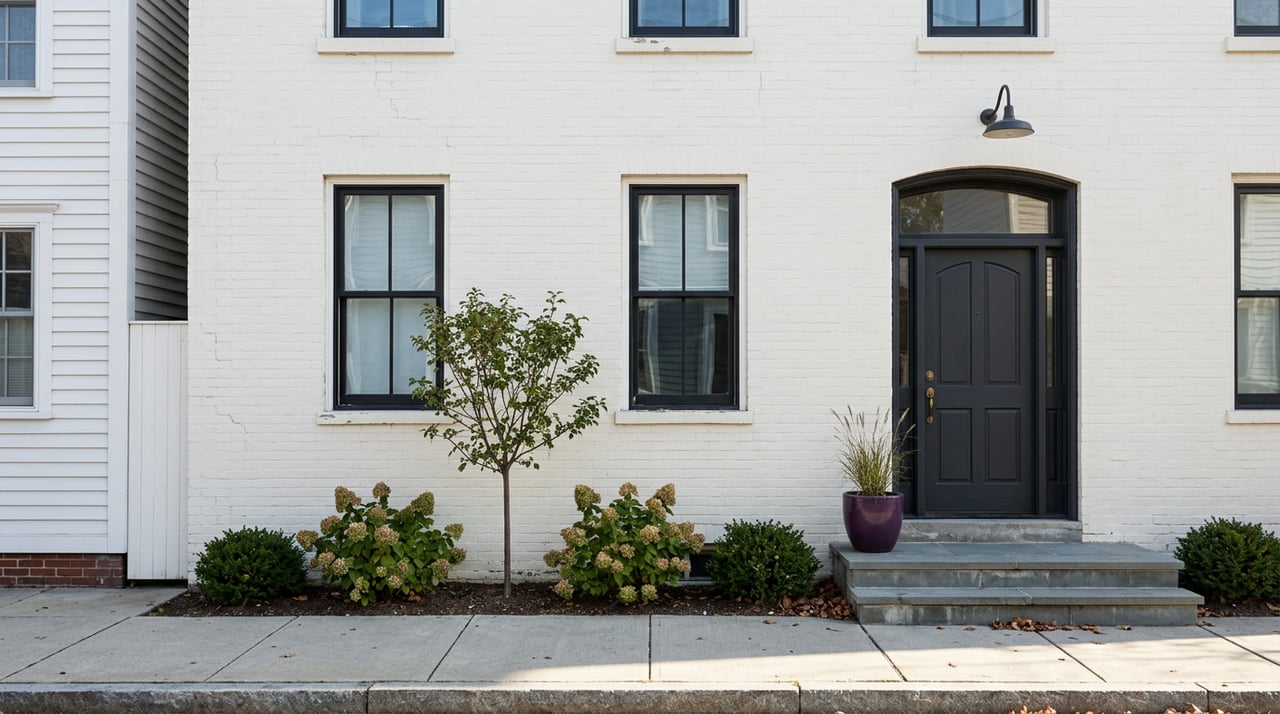
You gain period details, tall ceilings, mature landscaping, and a strong sense of place that many Catskill buyers value. Floor plans may be more segmented, and kitchens or baths often need updates for modern living. Sensitive renovations can retain character while improving usability.
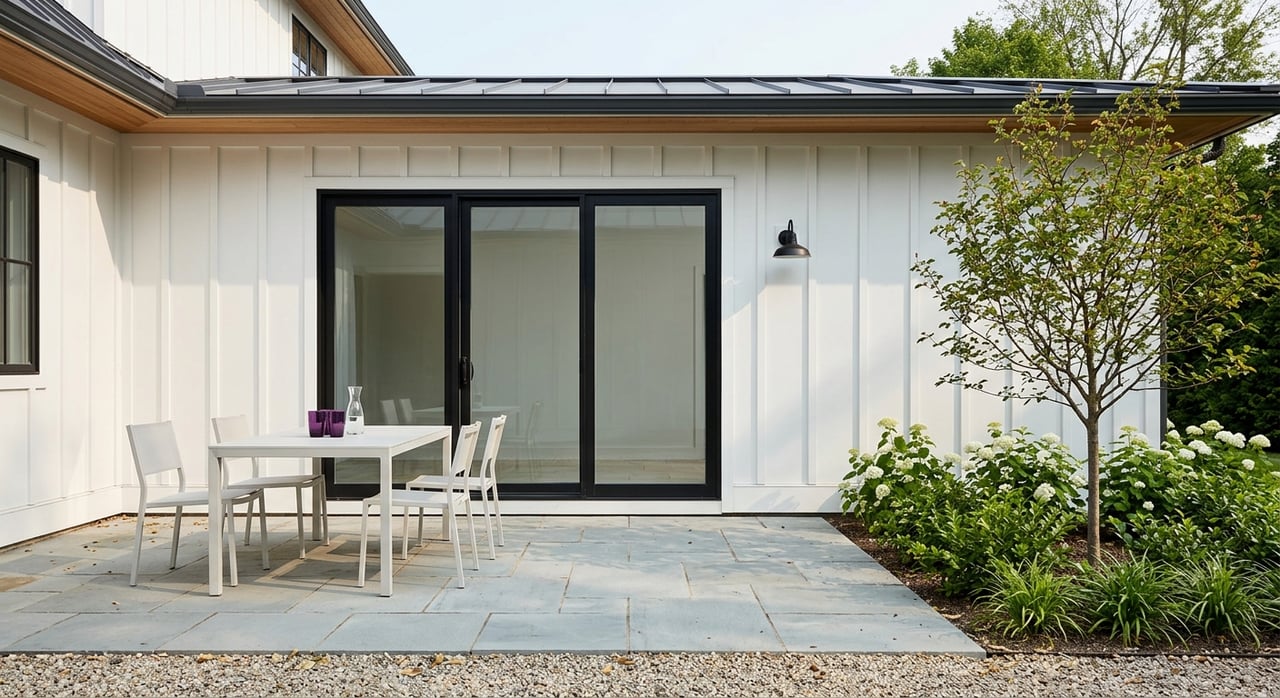
Modern layouts usually include open plans, contemporary kitchens and baths, and integrated systems like smart home features. Universal design elements and better site planning for parking or outdoor living are common. The tradeoff is less patina and uniqueness out of the gate.
Older systems and materials can lead to higher premiums or policy exclusions. Concerns include outdated wiring, older plumbing, lead paint, asbestos, and roof condition. Some insurers decline very old or poor-condition homes.
Catskill’s proximity to the Hudson River and local tributaries means flood risk varies by property. If a home sits in a mapped flood zone, flood insurance through the National Flood Insurance Program may be required. Elevation certificates and documented upgrades can reduce underwriting concerns and costs.
Modern systems and code-compliant construction usually make new homes easier to insure with potentially lower premiums. If a new build is in a flood zone, it must meet local elevation and mitigation standards, but flood insurance may still apply.
Exceptional historic properties with sensitive renovations can command premiums among buyers who value authenticity and walkable village settings. If a home needs major work, the buyer pool narrows and resale can take longer. Unique features can also complicate appraisals when comparable sales are limited.
Move-in ready appeal and predictable costs create broader demand. In the same price band, newer homes often sell faster. Energy-efficient features are increasingly recognized in marketing and appraisals.
Conventional mortgages are common when the property meets lender standards. If significant updates are needed, renovation loans such as FHA 203(k), Fannie Mae HomeStyle Renovation, or construction-to-permanent loans may help finance improvements. Cash purchases are common for homes that need extensive work.
Expect standard offer structures with inspection contingencies. Timelines of 30 to 60 days are typical, but additional inspections and estimates can extend the process.
Finished new homes often use conventional mortgages. Ground-up builds may require construction or construction-to-permanent loans. Builder contracts can include larger deposits, staged payments, and stricter default terms, and they may ask for earlier contingency removals to keep your build slot.
Closings occur after the certificate of occupancy is issued. Delays can happen, so negotiate remedies or allowances for schedule changes.
Use this quick checklist before you write an offer:
Either route can be a smart investment with the right preparation. A local, hands-on strategy that blends careful inspections, realistic budgeting, and tailored financing will set you up for success.
Ready to compare options, property by property, with a local expert who knows both Catskill’s historic streets and its newer builds? Connect with Angela Lanuto for clear guidance and a plan that fits your goals.
Stay up to date on the latest real estate trends.
Having the right real estate team working for you counts
GET IN TOUCH WITH THE ANGELA LANUTO TEAM AT COLDWELL BANKER VILLAGE GREEN REALTY TO LEARN MORE

OFFICE ADDRESS 397 MAIN ST CATSKILL NY 12414