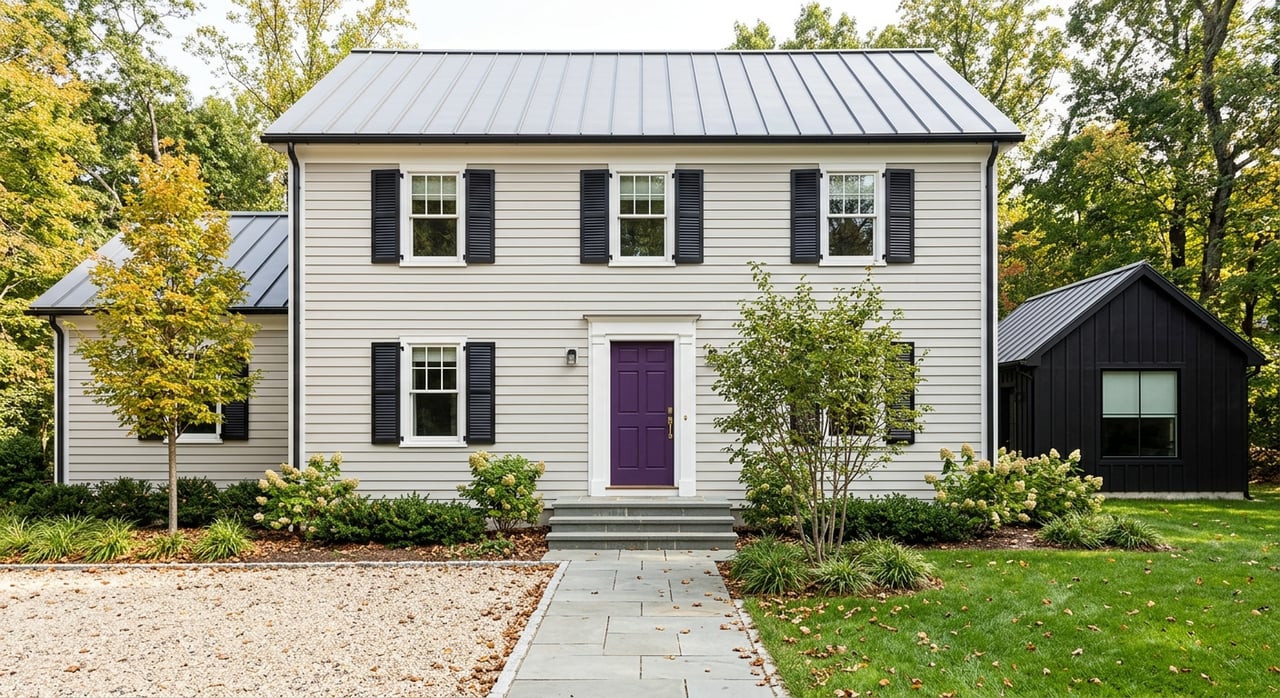
Red Hook NY Homebuyers Guide to the Right Search Area
April 16, 2026
April 16, 2026
If Red Hook is on your shortlist, one question matters more than almost anything else: what kind of daily life do you want your home to support? In a small Hudson Valley town, a few miles can change your experience in a big way, from walking to the village core to having more land and privacy outside it. This guide will help you narrow your search by showing where buyers tend to focus in Red Hook, what each area offers, and how to match your priorities with the right micro-market. Let’s dive in.
Red Hook is not one uniform housing market. It is better understood as a village center surrounded by a larger town with different housing patterns, land uses, and lifestyles.
The broader Town of Red Hook had an estimated 11,198 residents in 2024, while the Village of Red Hook covers about 1.1 square miles and serves as the town’s commercial and civic center, according to the U.S. Census QuickFacts and local planning materials. The town’s long-term planning goals also emphasize balancing growth with rural and historic character while preserving agricultural land and natural resources.
That bigger picture matters when you start your search. In practical terms, most buyers in Red Hook end up choosing between three main search zones: the village core, the Bard-adjacent area around Annandale-on-Hudson and Barrytown, and the more rural outer parts of town.
Before you focus on a specific area, it helps to understand the current market baseline. In ZIP code 12571, Redfin reported a median sale price of $529,950 in February 2026 and 70 days on market.
At the same time, Red Hook’s own key facts report shows how much pricing has shifted over time. The median sale price of a single-family home rose from $272,000 in 2016 to $540,000 in 2024, which gives you a useful long-range view of where the market has moved.
This does not mean every part of Red Hook is priced the same. It does mean you should go into your search with a clear sense of budget, property type, and how much tradeoff you are willing to make between location, lot size, and convenience.
If your ideal day includes sidewalks, nearby errands, and a classic small-town street pattern, the village core is the strongest place to begin. This area centers on Broadway and Market Street, where village zoning supports pedestrian-friendly mixed-use development and street-facing buildings.
The village also has parking rules specifically tied to the business district along East and West Market, North Broadway, and South Broadway, which reinforces that this is a true downtown setting rather than a spread-out residential area. You can review the village’s walkable core through its mixed-use zoning framework and business district parking rules.
For many buyers, this part of Red Hook feels the most convenient. The village maintains roads and sidewalks as public infrastructure, and local guidance on streets and sidewalks supports the idea of a compact, connected center.
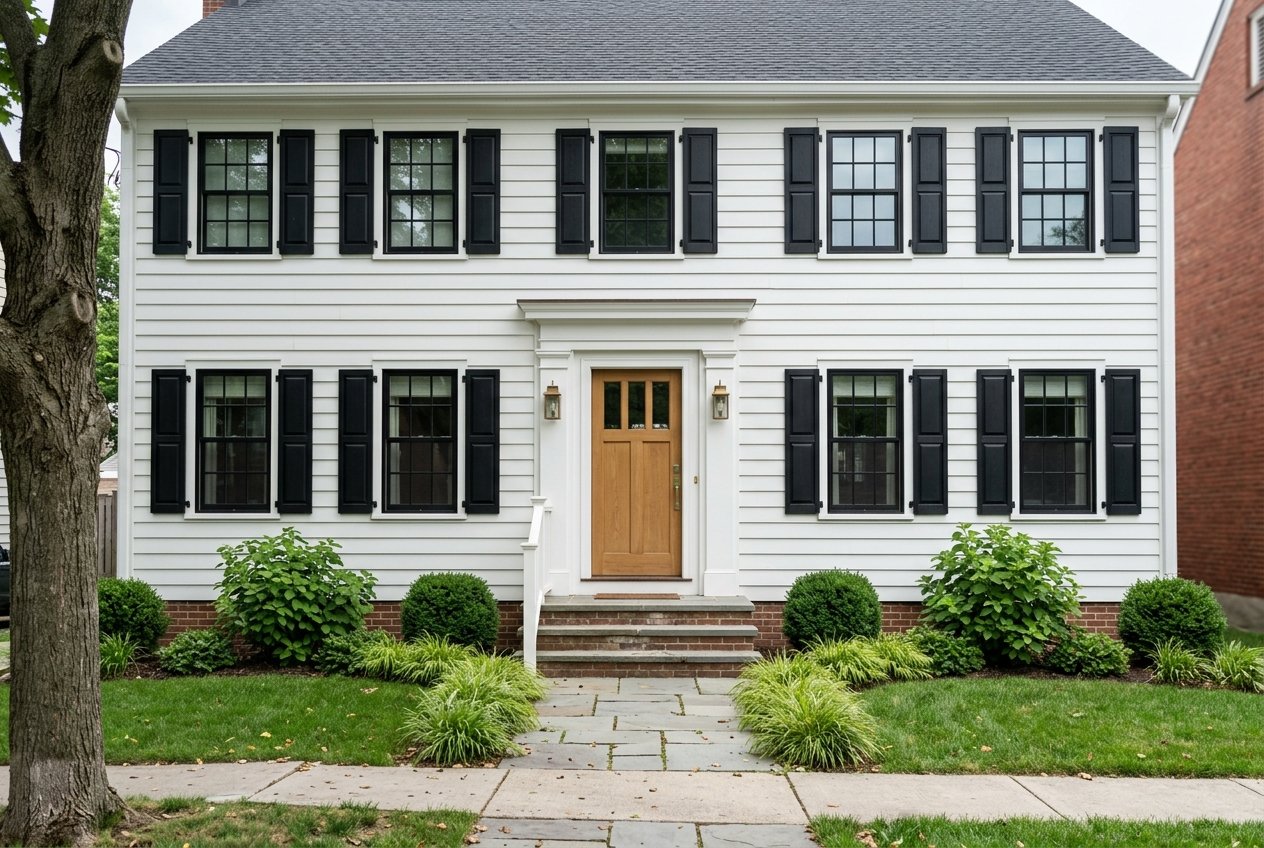
Homes in the village core are often a fit for buyers who care more about location and character than acreage. Because the village is compact and pedestrian-oriented, your search here may lean toward older homes, smaller lots, and a little more neighborhood density.
County planning materials also note that the village adopted architectural guidelines and a pattern book to help new infill stay compatible with historic building types. For you as a buyer, that can mean a more cohesive streetscape and a village setting that continues to preserve its established character.
The village core may be the right focus if you want:
If that sounds like your priority list, start close to Broadway and Market Street and work outward from there.
If walkability is less important than being near Bard College, the Annandale-on-Hudson and Barrytown area deserves a close look. Bard College’s main campus is located at 51 Ravine Road in Red Hook, and the college notes that many off-campus students live in Red Hook, Tivoli, or Rhinebeck, which supports steady housing demand in the broader area. You can see that on Bard’s visitor directions page and its off-campus housing information.
This pocket can appeal to several types of buyers. You may be looking for a home with easier access to campus, a quieter setting than the village center, or a property that could benefit from demand tied to Bard-connected households.
County planning materials describe Annandale and Barrytown as somewhat denser residential areas near Bard, and characterize Annandale as a small primarily residential hamlet with a central green between Bard College and Montgomery Place. That combination gives this area a distinct feel that sits between village living and fully rural living.
This part of Red Hook tends to make sense if you want a residential setting with campus proximity. It can also be useful if your schedule includes regular travel, since Bard notes that the nearest rail options are Poughkeepsie for Metro-North and Rhinecliff for Amtrak.
For some buyers, that commuter context matters just as much as the property itself. If you split time between the Hudson Valley and the New York City area, it is worth factoring those connections into your search map.
This area may be a good fit if you want:
If your search priorities fall into that middle ground, this pocket can offer a strong balance.
If your wish list starts with privacy, a garden, a studio, an outbuilding, or simply more room to spread out, the strongest part of your search is likely outside the village centers. This is where Red Hook’s land-use pattern shifts toward rural and agricultural uses.
According to a Dutchess County green-space profile, Red Hook includes 224 agricultural district parcels, 7,094 acres in agricultural production, 6,287 acres protected by conservation easement or similar status, and seven 1,000-plus-acre blocks of continuous habitat and farmland. The same report also notes 17 miles of sidewalks, 16 miles of trails, 95 miles of streams, and 112 miles of roads.
That is a useful reminder that Red Hook’s appeal is not limited to its downtown. A large part of its identity comes from open land, farmland, and lower-density residential areas.
The town’s key facts report makes an important distinction: its outer-area housing data refers to places outside the villages of Red Hook and Tivoli. In those outer-town areas, the housing stock is 91% single-family, 86% owner-occupied, and about 60% of homes were built before 1980.
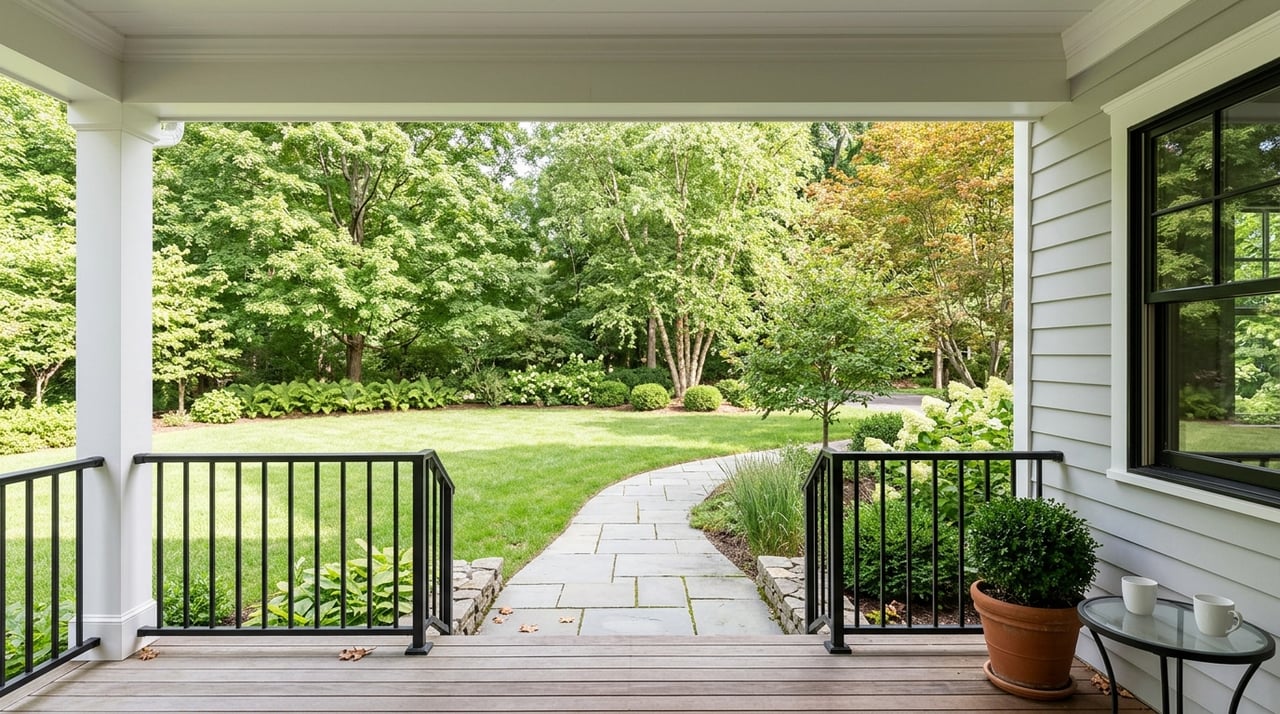
For your search, that points to a housing pattern where detached homes dominate and where buyers are more likely to find space for workshops, gardens, or a greater buffer between neighbors. It does not guarantee acreage on every property, but it strongly suggests that the unincorporated town is the better place to look if land is one of your top priorities.
A broader regional benchmark from Dutchess County’s 2021 for-sale housing report also notes that new single-family homes countywide typically sat on about one acre and were around 2,400 square feet. While that is not Red Hook-specific, it can still help you calibrate expectations for newer suburban-style homes in the area.
The rural outskirts may be your best match if you want:
If that is your goal, widen your search beyond the village map early. You will likely see a very different set of options.
Most Red Hook buyers can narrow their search by answering three simple questions:
If walkability is your top priority, focus on the village core around Broadway and Market Street. If campus access and Bard-related demand matter more, concentrate on Annandale-on-Hudson and Barrytown. If space and privacy lead your wish list, spend more time looking outside the village centers.
This kind of location-first strategy can save you time and help you compare homes more realistically. In Red Hook, the right fit is often less about finding the perfect house first and more about choosing the right setting.
It is also smart to watch where new housing may appear over time. Dutchess County has announced funding for the Red Hook Gateway project at 7598-7610 North Broadway, which would add 20 units of affordable rental, workforce, and homeownership housing if approvals are completed, with projected occupancy in 2028.
That project does not change current inventory in a major way today. Still, if you are focused on the village corridor, it is helpful to know where future housing activity may be concentrated.
Red Hook makes the most sense when you treat it as a set of distinct search zones instead of one single market. The village core is about convenience and historic character, the Bard-adjacent area is about campus access and steady housing demand, and the rural outskirts are about land, privacy, and a classic Hudson Valley setting.
If you want help sorting through those tradeoffs, local guidance can make a big difference. The team at Angela Lanuto brings hands-on Hudson Valley market knowledge, thoughtful buyer representation, and the kind of place-based perspective that helps you focus your search with more confidence.
Stay up to date on the latest real estate trends.
GET IN TOUCH WITH THE ANGELA LANUTO TEAM AT COLDWELL BANKER VILLAGE GREEN REALTY TO LEARN MORE

OFFICE ADDRESS 397 MAIN ST CATSKILL NY 12414