Coxsackie vs Athens NY Homes: Finding Your Best Fit
March 24, 2026
March 24, 2026
Quieter historic hamlet or livelier riverfront base? If you are torn between Coxsackie and Athens along the Hudson, you are not alone. Both villages offer walkable streets, river views, and 19th‑century charm, but the daily rhythm feels different on each shore. In this guide, you will compare character, waterfront access, housing context, touring checklists, and permit basics so you can choose with confidence. Let’s dive in.
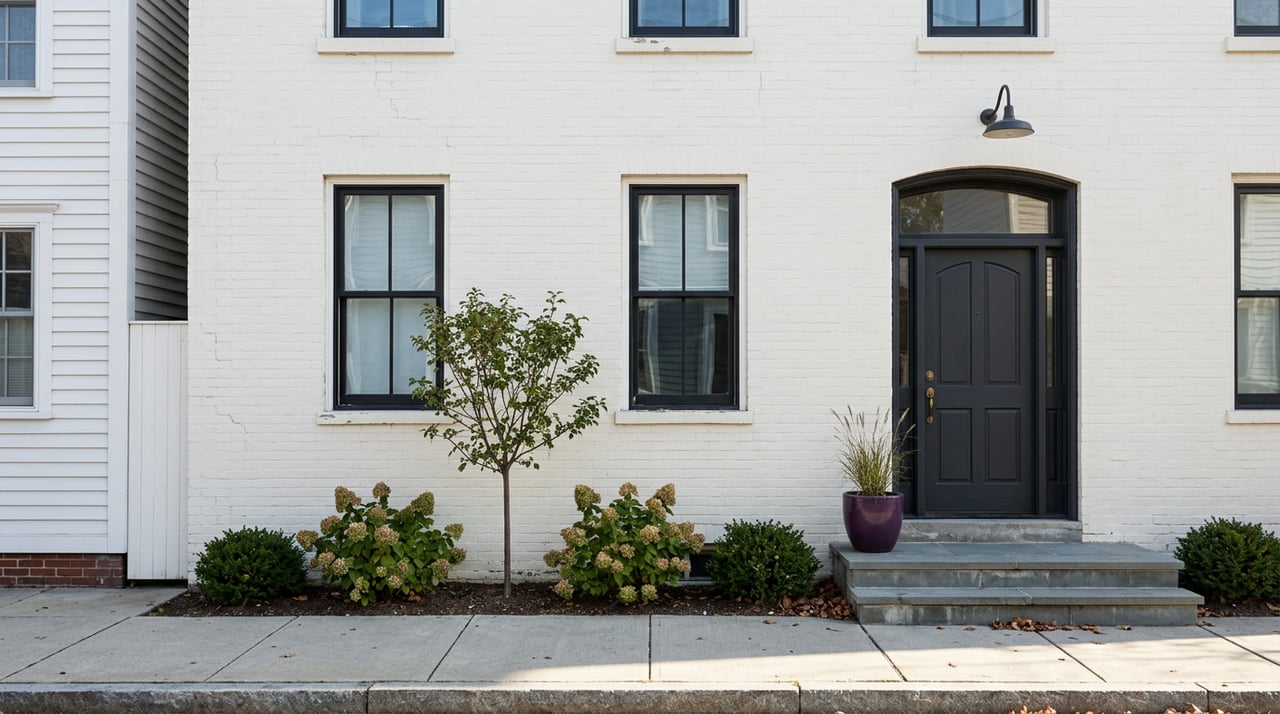
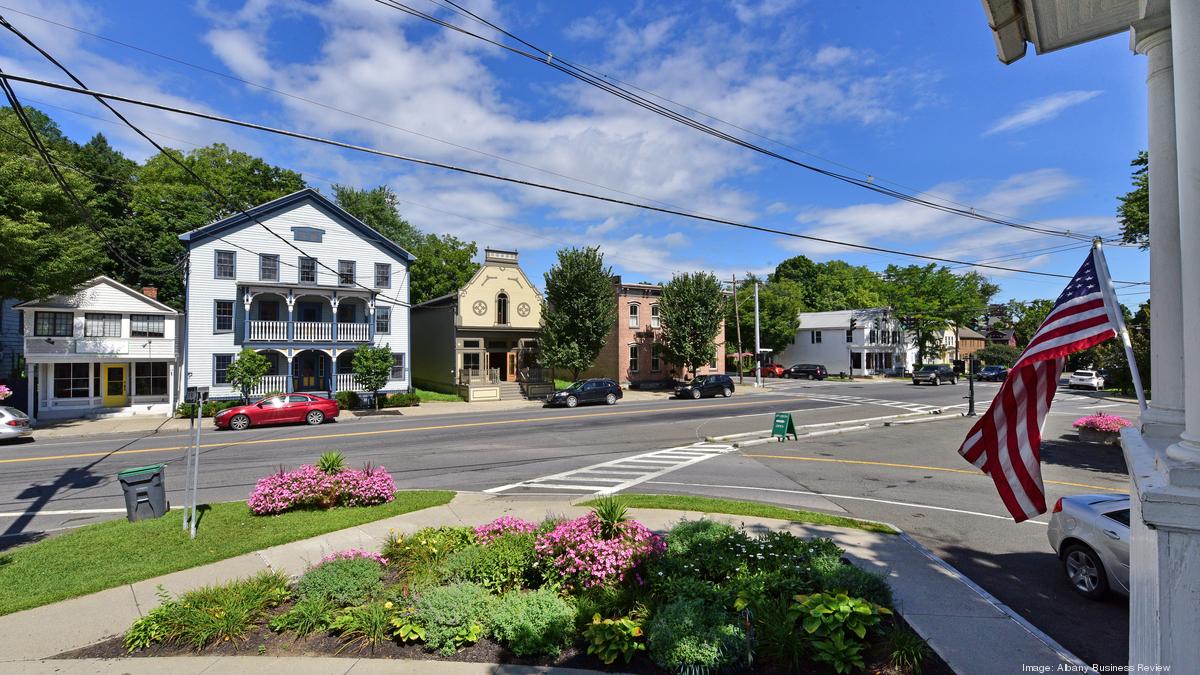
Coxsackie reads like a classic river village, anchored by the Reed Street corridor with mid‑19th‑century brick facades and small businesses. You will find a growing mix of cafés, shops, and local spots that support a compact, easygoing Main Street experience. The village’s story and historic fabric are central to its appeal, which you can see in the local history resources on the Village of Coxsackie site.
For waterfront access, Coxsackie’s Riverside Park is the primary public launch and gathering point. Shoreline enhancements and access improvements around the boat launch are documented by the Hudson River National Estuarine Research Reserve, which highlights practical, resilient shoreline design. If you want village quiet with straightforward river access, Coxsackie often fits well.
Athens is a walkable historic waterfront village with a formal planning focus on its riverfront. The village’s Local Waterfront Revitalization Program lays out waterfront zoning, parks, and mixed‑use goals. Multiple public riverfront spaces, including Riverfront Park and street‑end launches, create regular reasons to stroll the shore.
If boating is central for you, Athens provides convenient marina and boat‑service access within the village’s waterfront setting, reinforced in local planning documents. Seasonal activity around the river, including the historic Hudson–Athens Lighthouse, adds a bit more bustle to weekends. In short, Athens tends to serve buyers who value active waterfront amenities and programmed public spaces.
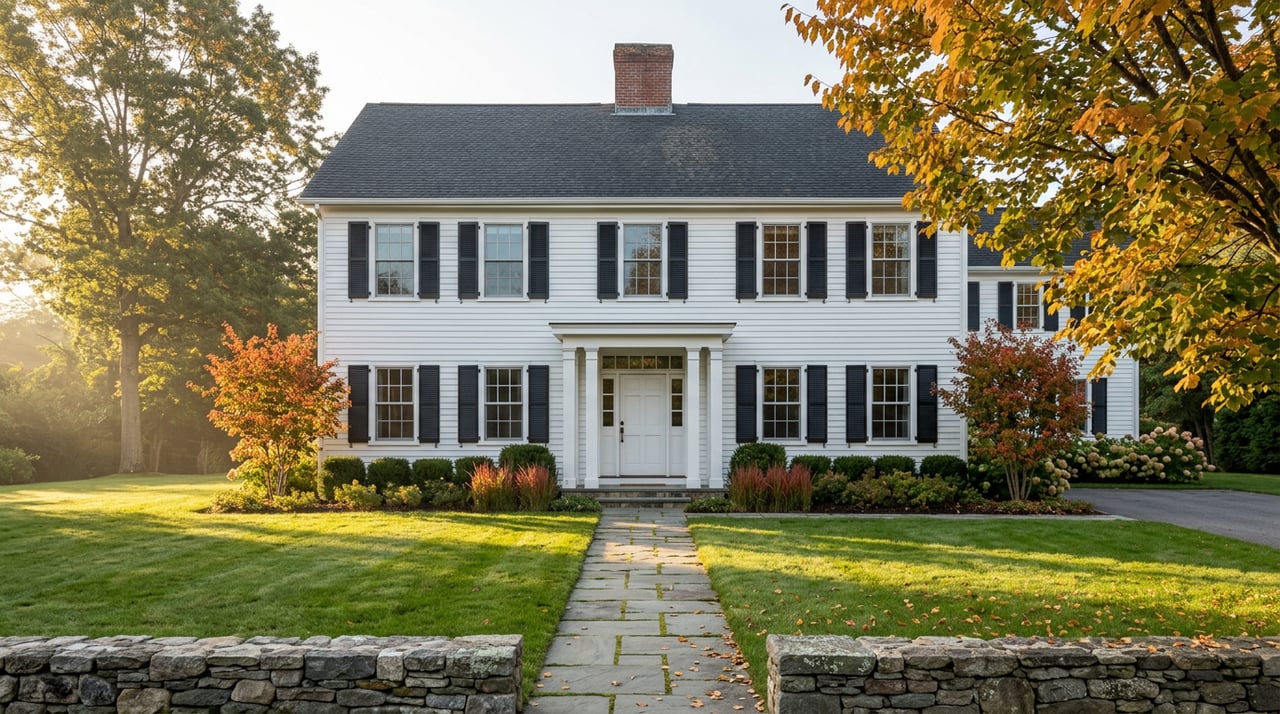
Both villages feature 19th‑century architecture, including Greek Revival, Italianate, and Federal styles. You will see historic single‑family homes near the cores, mixed‑use buildings on Main Streets, and cottages or ranches in surrounding areas. Athens’ LWRP and Coxsackie’s history resources describe these eras in detail.
Recent ZIP‑level market snapshots have shown Athens list prices trending higher than Coxsackie, a pattern often tied to waterfront demand and limited shoreline inventory. In both villages, expect riverfront and village‑center homes to carry premiums compared with inland parcels. Larger historic properties may have longer market timelines, while move‑in‑ready cottages can move faster.
Use this quick, buyer‑friendly sequence to keep your search focused and informed.
In both villages, you will want to speak with the Code Enforcement Officer early. Building permits are required for work that changes structure, utilities, or footprint. Coxsackie provides a building‑permit application that outlines submittal needs.
If your property lies in a local historic district or is designated as a contributing structure, exterior changes may trigger a local historic‑district work permit or Planning Board review. Coxsackie’s historic provisions are detailed in the village code. Athens’ planning materials, including its LWRP, explain preservation objectives and waterfront repair considerations.
Floodplain renovation rules can also apply. Both municipalities participate in flood‑damage prevention programs and may require a floodplain development permit for work in mapped hazard areas. Expect New York State building and energy‑code compliance to be verified during permitting.
Here is a simple renovation path to follow:
If you enjoy fishing, New York State publishes guidance on what is safe to eat from each reach of the river. Review the Hudson River fish‑consumption advisory and follow current recommendations for your stretch of the Hudson.
Whether Coxsackie’s quiet Main Street or Athens’ active waterfront feels right, a local plan will help you move quickly when the right home appears. If you want a second set of eyes on flood maps, permits, and neighborhood fit, reach out. You will get hands‑on guidance backed by polished marketing and deep local knowledge from Angela Lanuto.
Stay up to date on the latest real estate trends.






GET IN TOUCH WITH THE ANGELA LANUTO TEAM AT COLDWELL BANKER VILLAGE GREEN REALTY TO LEARN MORE

OFFICE ADDRESS 397 MAIN ST CATSKILL NY 12414