Kinderhook NY Real Estate Guide to Village Living
May 28, 2026
May 28, 2026
If you are dreaming about village life in the Hudson Valley, Kinderhook deserves a close look. It offers a rare mix of historic character, everyday convenience, and a walkable center that feels connected rather than spread out. If you are trying to decide whether buying here makes sense, this guide will help you understand the housing stock, the market, and what to watch for before you make an offer. Let’s dive in.
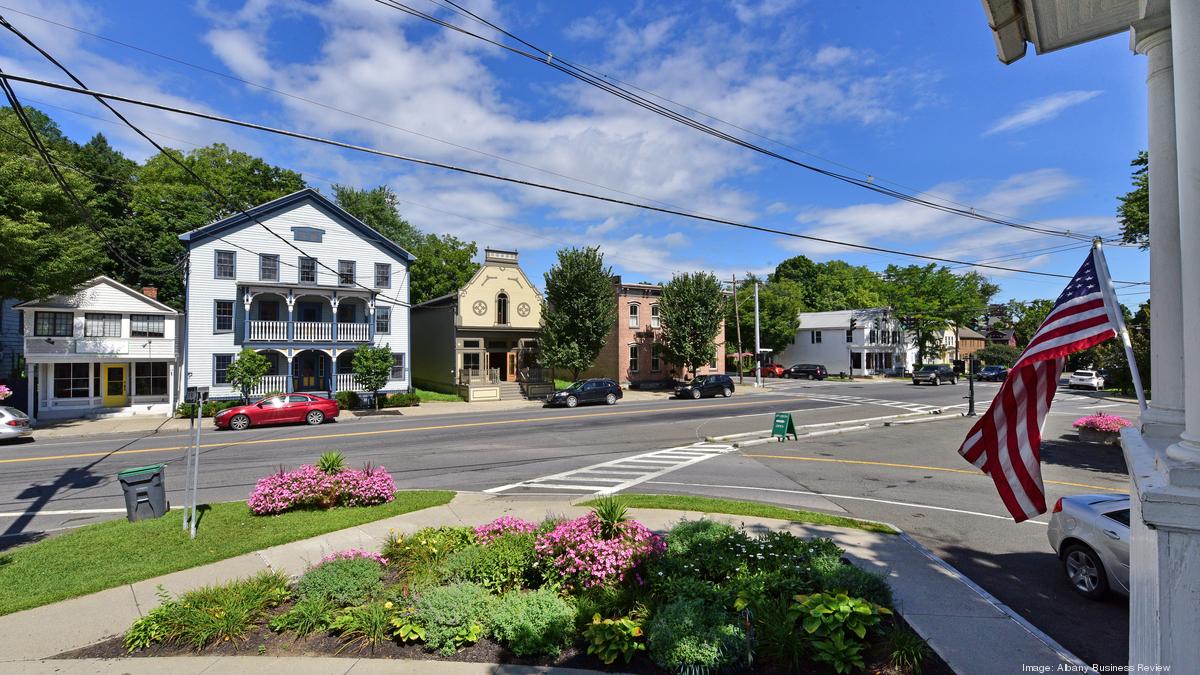
Kinderhook is an older Hudson Valley village with a compact historic core and a long history as a market and transportation hub. Local planning and history sources describe the village as centered around the historic Village Square, with arts, local businesses, civic spaces, and walking and biking routes tied together in a way that supports village-scale living.
That layout matters when you are buying a home. Instead of a suburban pattern where destinations are spread far apart, Kinderhook’s center is built around connection. For many buyers, that means a lifestyle with easier access to daily errands, public spaces, and local destinations close to home.
The heart of Kinderhook is the Village Square, which functions as a public gathering place as well as a center for commerce and civic life. Village planning documents note that the square and nearby streets connect to scenic pedestrian routes and the Albany-Hudson Electric Trail, helping create a setting where walking and biking are part of daily life.
The strongest amenities are clustered near the center. Local sources highlight the farmers’ market, the Kinderhook Memorial Library, arts venues, parks, food-and-drink spots, and access to walking, biking, and kayaking. The Columbia County Historical Society also places several cultural sites in and around the village center, including the James Vanderpoel House and other historic attractions.
The Martin Van Buren National Historic Site also adds to the area’s identity. The site is located in the Town of Kinderhook on Old Post Road, and the grounds are open year-round for recreation such as dog walking. For buyers who value heritage, outdoor access, and a village setting with a strong sense of place, that combination can be especially appealing.
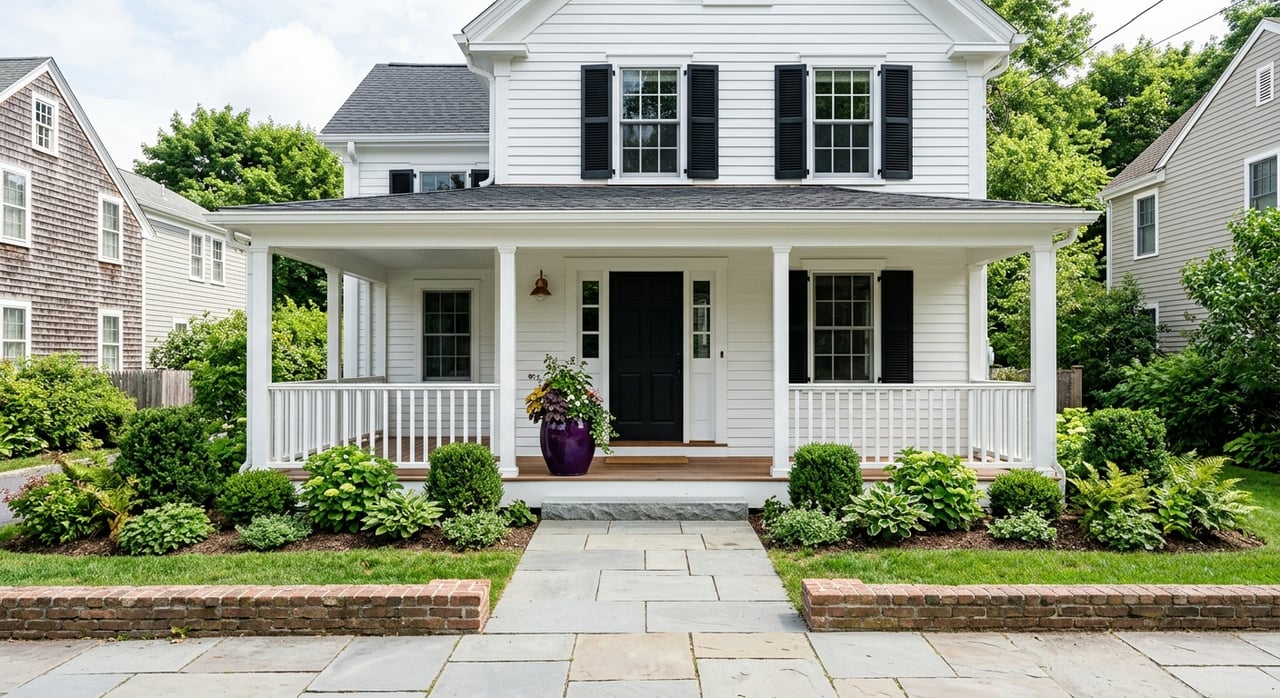
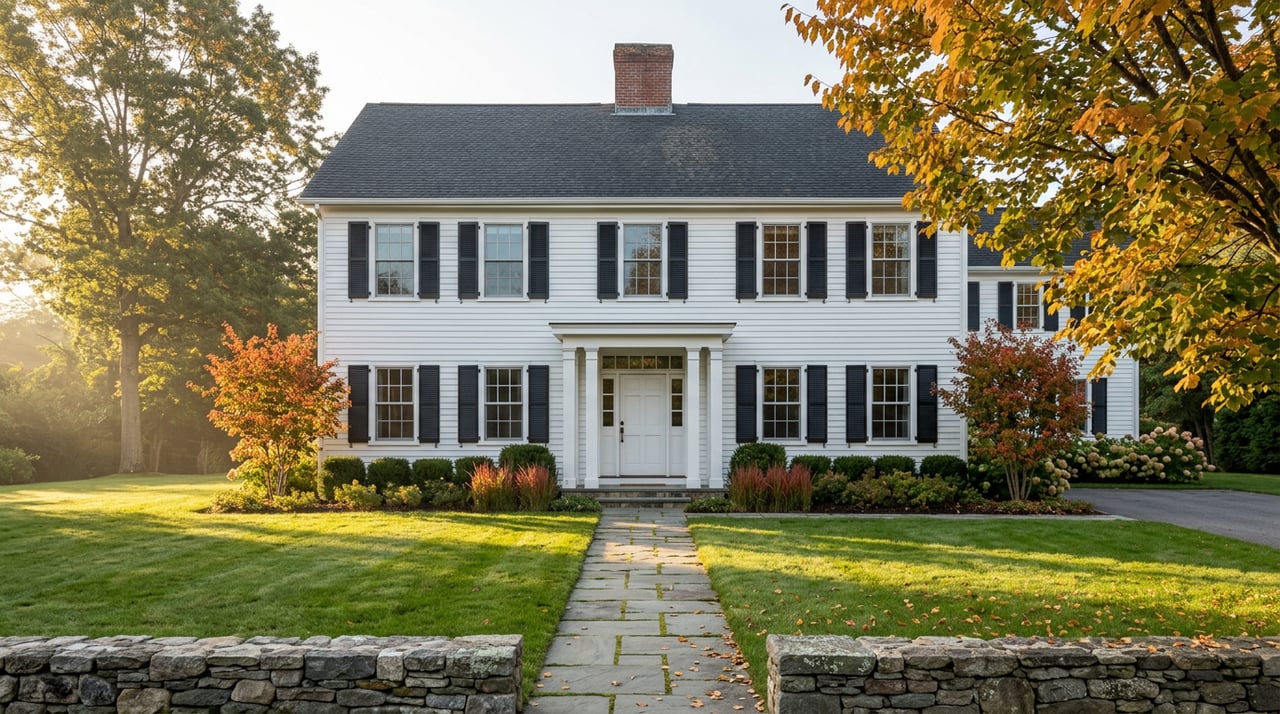
One of Kinderhook’s biggest draws is the variety in its housing stock. The village’s historic preservation guidelines describe homes from many architectural periods, including Dutch and English-period houses, Federal homes, Greek Revival, Gothic Revival, Italianate, Second Empire, and later modest 20th-century houses.
Federal-style homes are especially common in the village. At the same time, many houses have evolved over the years with later porches, bay windows, and other additions or alterations. That means you are often buying a home with layers of history rather than a single untouched style.
For buyers, this has an important practical effect. In Kinderhook, value is shaped less by a style label alone and more by condition, square footage, lot size, renovation quality, and how much original character remains.
Kinderhook is not a market where every home fits neatly into one pricing band. Recent sold examples cited in market reporting ranged from $345,000 for a four-bedroom home on Chatham Street to $895,000 for a home on Broad Street, with another recent sale at $635,000. That spread shows how much pricing can vary within the same village.
Current market snapshots also suggest that buyers should be prepared for limited inventory. Realtor.com’s March 2026 market page showed 21 homes for sale, a median listing price of $657,500, a median price of $304 per square foot, a 98% sale-to-list ratio, and a seller’s market classification.
Redfin’s December 2025 snapshot showed a median sale price of $485,000, homes selling in about 60 days, and average sales about 2% below list, with some homes receiving multiple offers. These data sets track different measures, but together they point to a market where well-positioned homes can move quickly and competition can be real.
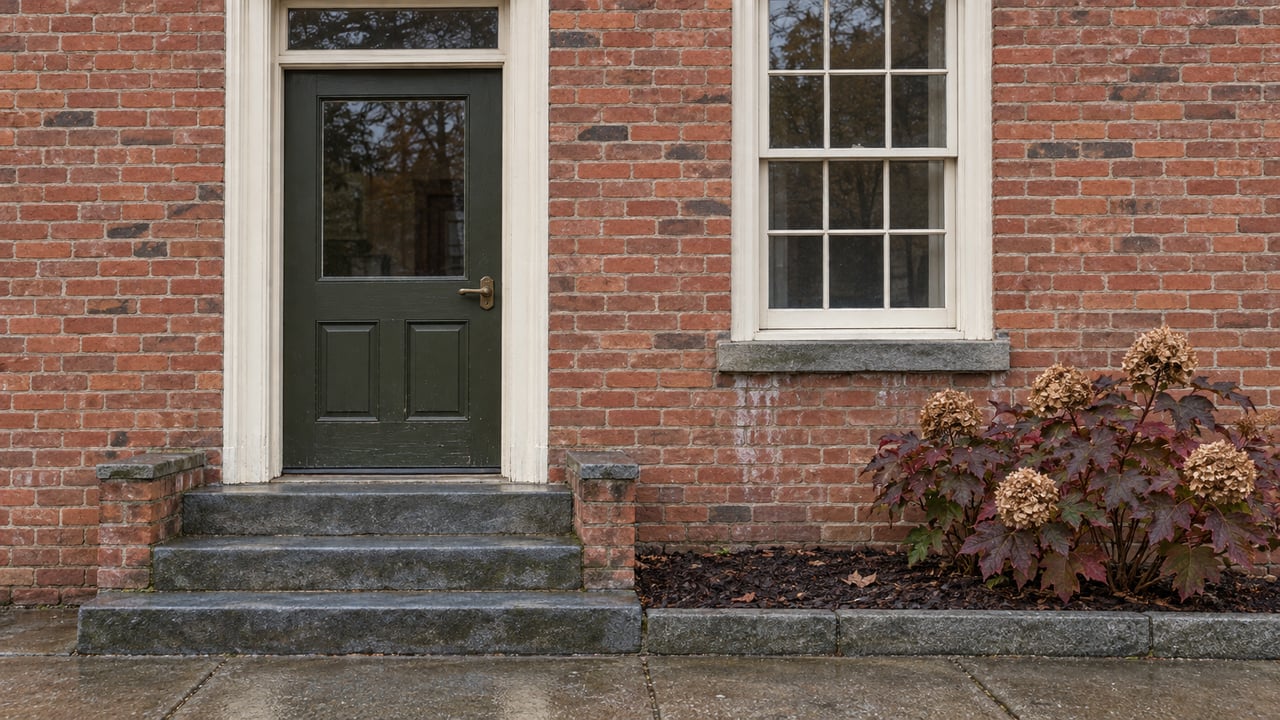
If you love the idea of owning a historic home, Kinderhook offers meaningful opportunity. It also requires a little more homework. Much of the village was placed on the National Register of Historic Places in 1974, and the village core was designated a Historic District in 1972.
For buyers, the key issue is exterior work. According to the village’s preservation guidelines, exterior changes visible from a public way generally require a Certificate of Appropriateness from the Historic Preservation Commission, while interior work is generally treated differently.
That does not mean you cannot renovate. It means you should confirm district status early and understand what review may apply before assuming you can replace windows, alter siding, change porches, build additions, or pursue demolition plans.
In Kinderhook, preparation often matters more than waiting for the perfect listing to appear. With a measured-inventory market and some homes attracting multiple offers, buyers are usually better served by being ready to act when the right property comes up.
A useful way to search is to think in lifestyle zones. The walkable core around the Village Square may appeal to you if convenience, historic character, and easy access to village amenities are top priorities. Edge-of-village or broader Town of Kinderhook properties may make more sense if you want more land, more privacy, or a different price point.
This approach can help you stay focused. Instead of comparing every property the same way, you can compare homes based on the type of daily life you want and the trade-offs you are comfortable making.
A strong offer in Kinderhook usually starts before you tour the right house. Realtor.com specifically advises buyers in Kinderhook to get pre-approved, and market data suggest that hot homes can go pending in roughly 28 days.
That does not mean you should rush without protection. In an older housing market, a clean offer should still include thoughtful due diligence. A clear closing timeline, pre-approval, and a well-structured inspection contingency are especially important because many homes have layered updates and older systems that deserve close review.
If you plan to make exterior changes, it is wise to clarify the preservation-review question before your offer is final. That step can help you avoid surprises after contract when your renovation plans meet local review standards.
As you narrow your options, keep your evaluation grounded in both market realities and property-specific details.
Kinderhook tends to appeal to buyers who want more than just a house. It offers a village setting with a visible sense of history, a center built for connection, and amenities that support day-to-day living without losing its small-scale feel.
It may be a strong fit if you value walkability in the village core, appreciate older homes, and are comfortable doing a little extra homework on condition and preservation review. It may also be worth considering if you want Hudson Valley character in a market where quality homes can hold attention and move quickly.
If you are thinking about buying in Kinderhook, the best first step is a focused plan. With the right guidance, you can narrow your search, understand the trade-offs between location and property type, and move with confidence when the right home appears. When you are ready to explore Kinderhook village living, connect with Angela Lanuto for local insight and hands-on buyer guidance.
Stay up to date on the latest real estate trends.





GET IN TOUCH WITH THE ANGELA LANUTO TEAM AT COLDWELL BANKER VILLAGE GREEN REALTY TO LEARN MORE

OFFICE ADDRESS 397 MAIN ST CATSKILL NY 12414