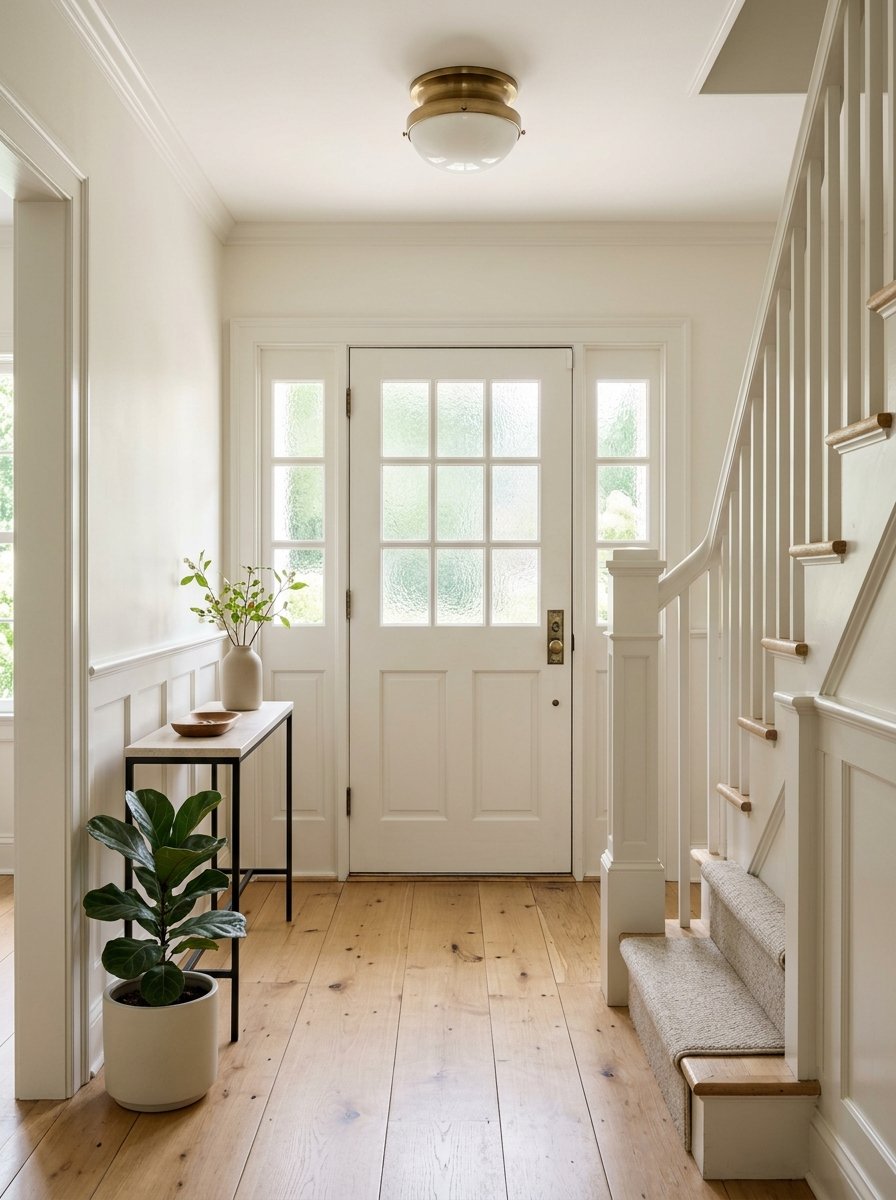
Getting Your Historic Kinderhook Home Ready To Sell
June 18, 2026
June 18, 2026
Selling a historic home in Kinderhook is not quite the same as selling any other house on the block. If your property sits in the Village of Kinderhook historic overlay district or is separately designated as a landmark, even simple exterior updates may need review before work begins. The good news is that with the right prep, your home’s history can become one of its strongest selling points. Let’s dive in.
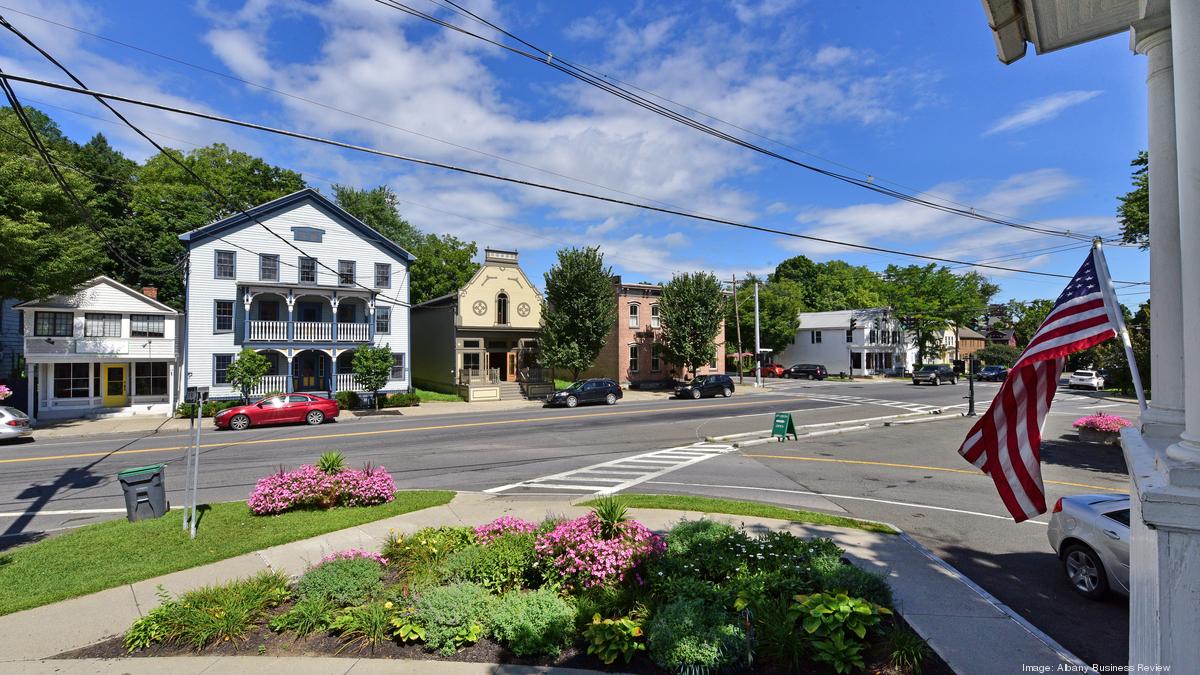
Kinderhook’s historic character is a real part of its appeal. The village historic district was listed in the National Register of Historic Places in 1974, and local preservation rules are designed to protect both heritage and the village’s visual identity.
That matters when you sell. Buyers are often drawn to the charm, materials, and architectural detail that make these homes feel distinct. In Kinderhook, authenticity is not just a nice extra. It can help support your home’s market appeal when the property looks cared for and period-sensitive.
Before you plan repairs, confirm whether your property is in the Village of Kinderhook historic district or separately designated as a landmark. The village code allows for both district and landmark review, so you should not assume a project is exempt based on the house alone.
This first step can shape your entire timeline. If your home is subject to review, you may need approvals before certain exterior work can begin, which can affect when you list and what projects make sense to take on.
In Kinderhook, no exterior alteration, restoration, reconstruction, demolition, new construction, or moving of a building or feature may begin on a landmark or on property in the historic district that is visible from a public way without a Certificate of Appropriateness first.
That certificate is separate from any building permit or other village approval. The Code Enforcement Officer decides whether a certificate is required, and if it is, the application goes to the Historic Preservation Commission.
Routine maintenance and emergency repairs that do not change the exterior appearance or historic fabric generally do not need a certificate. Interior work is also generally outside the normal review scope, which is one reason many sellers focus interior spending on function and systems while being more careful with exterior changes.
If you are thinking about listing a historic Kinderhook home, start earlier than you would with a non-historic property. The application for a Certificate of Appropriateness requires supporting materials such as photos, drawings, and material samples.
The application must reach the commission at least 10 days before a regular meeting. In most cases, the commission acts within 45 days unless a public hearing is required.
Some projects can take longer. Additions, demolition, relocation, new construction, or projects that need coordinated review may trigger a public hearing and extend the timeline.
A seller who starts planning 6 to 12 months before listing has a clear advantage. That extra time can help you decide what is worth doing now, what should wait, and how to avoid last-minute delays.
When preparing a historic home for sale, the safest approach is often repair first, replace second. Kinderhook’s guidance favors protecting, maintaining, and repairing historic materials before replacing them.
That approach can also make financial sense. Preserved original details often support the character buyers expect from a historic home, while poorly matched replacements can create questions during showings and inspections.
If your budget is limited, focus first on the elements buyers notice right away from the street. In Kinderhook, that usually means:
These features play a big role in how the home presents online and in person. They also line up closely with the village’s review criteria, which emphasize design, scale, form, texture, material, window arrangement, roof shape, and historic significance.
Windows deserve special attention. Kinderhook’s handbook encourages restoring original sash and says replacement windows should match the original design exactly.
The guidance also prefers wood windows over vinyl or aluminum-clad products, and snap-in grilles are discouraged. If your windows are drafty or worn, repair may be the better pre-listing move than replacement, especially on visible elevations.
Siding can quickly change the look of a historic house. The village handbook says vinyl or aluminum replacement siding is typically inappropriate for a primary historic structure.
Some newer products may be considered only if they closely duplicate the original appearance and texture. If your current siding needs attention, work from the idea of compatibility, not convenience.
Brick and masonry repairs need a light touch. The local guidance says masonry work should match the historic condition, mortar type, and bond pattern.
That means careful repointing is often better than obvious patchwork or mismatched replacement. Buyers notice quality, and so do preservation reviewers.
Porches, roofs, chimneys, foundations, trim, and gutters all help define a historic home’s character. The village handbook encourages preserving porch details and warns against enclosing traditionally open porches.
It also says roof forms, foundation treatments, and gutters should respect the building’s period and scale. If you are making updates before listing, aim for work that feels visually consistent with the house rather than newly imposed on it.
Because interior work is generally outside the commission’s normal review scope, sellers often have more flexibility inside the home. That can make it easier to improve comfort, functionality, and presentation without creating delays tied to historic review.
For many sellers, this means prioritizing practical interior updates and maintenance while taking a more restrained approach outside. If your exterior already reflects the home’s period well, your pre-listing budget may go further indoors.
Documentation matters with historic homes. Since the approval process calls for photos, drawings, and materials, and commission decisions are written and filed with the Village Clerk, buyers tend to respond well when a seller can show organized records.
Try to gather:
A tidy file helps show that the home has been cared for thoughtfully. It can also make buyer questions easier to answer once your listing goes live.
Historic homes sell best when their story feels supported by their condition. In Kinderhook, the village’s preservation goals explicitly connect historic character with civic pride, attractiveness, and support for the local economy.
That gives you an important marketing advantage. If your home has original details, compatible updates, and good documentation, its historic identity can be presented as a strength rather than a complication.
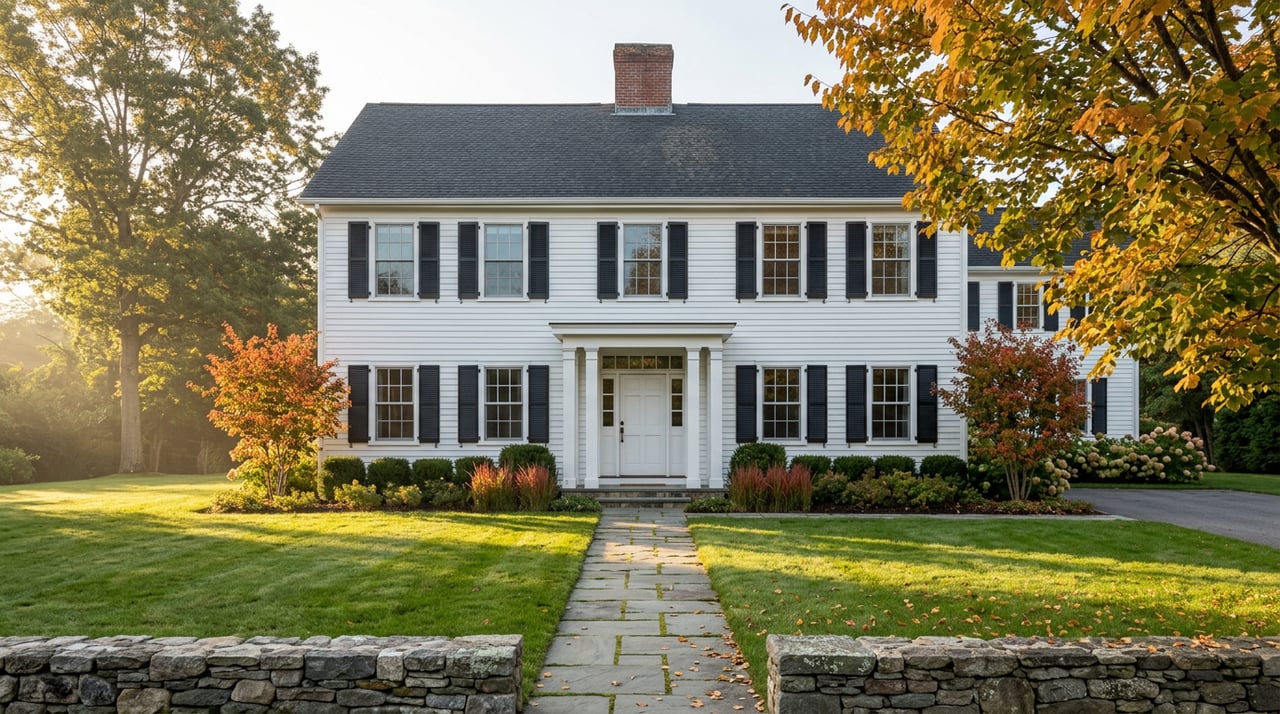
This is especially true in a village known for a wide range of historic architecture, including Dutch, Federal, Greek Revival, Italianate, and Second Empire homes. Federal homes are noted as the most common historic type in Kinderhook, which adds context buyers may appreciate when they are comparing one property to another.
If you are still deciding whether to complete certain repairs before listing, it may be worth looking into the New York State Historic Homeownership Rehabilitation Credit. The program may help some owners of owner-occupied certified historic residences in qualifying census tracts offset eligible costs with a 20% state credit.
This is not a guarantee, and eligibility depends on the property and the work involved. Still, for some owners, it can be a useful planning tool when weighing repair timing and budget.
The best pre-sale plan for a historic Kinderhook home is usually not the biggest renovation. It is the most thoughtful one.
Start by confirming your property’s status, identifying which exterior items need approval, and focusing on repairs that preserve visible historic character. Then organize your paperwork, build enough time into the process, and present the home as both well maintained and true to its setting.
When you take that approach, you protect more than curb appeal. You help buyers feel confident about what they are purchasing and why your home stands out in Kinderhook.
If you are getting ready to sell and want a clear plan for timing, presentation, and market positioning, Angela Lanuto can help you prepare your historic home with the care and local insight it deserves.
Stay up to date on the latest real estate trends.






GET IN TOUCH WITH THE ANGELA LANUTO TEAM AT COLDWELL BANKER VILLAGE GREEN REALTY TO LEARN MORE

OFFICE ADDRESS 397 MAIN ST CATSKILL NY 12414