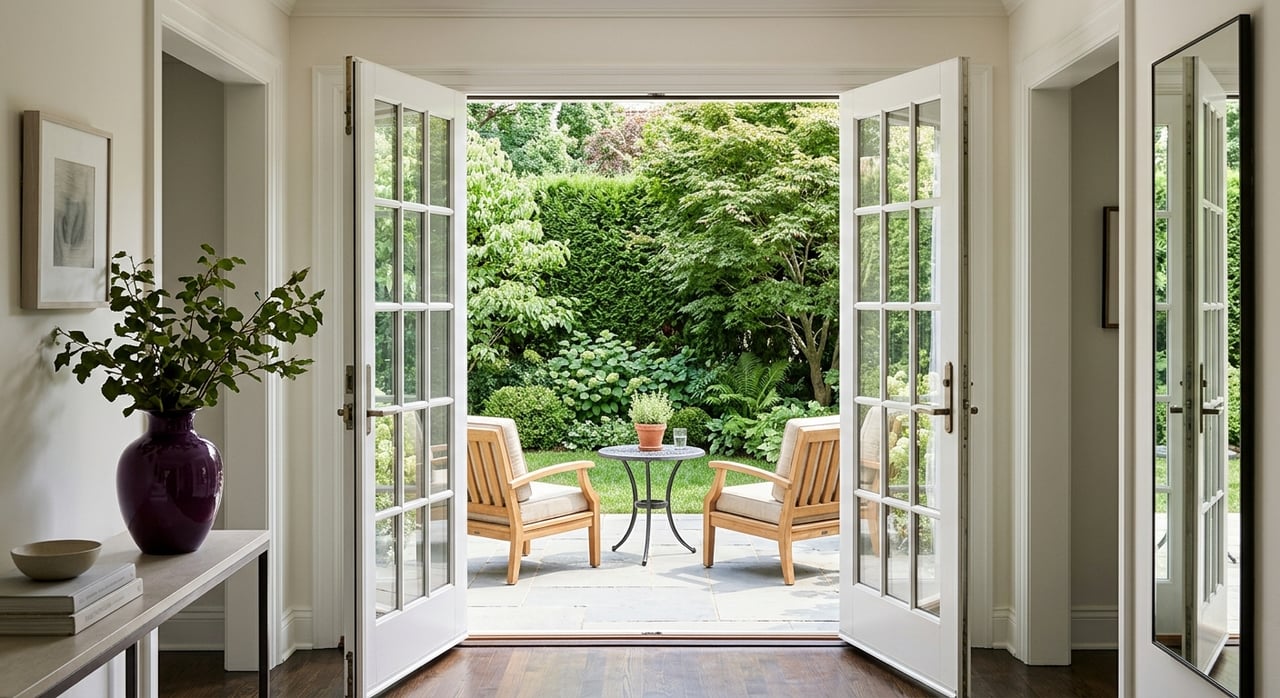
Columbia County NY Luxury Homes: A Buyer’s Guide
May 7, 2026
May 7, 2026
Dreaming about a country home in Columbia County usually starts with a feeling: more land, more privacy, more beauty, and a place that fits the way you want to live. But in this market, buying luxury is not just about a high price tag. It is about understanding what truly drives value here, from acreage and architecture to taxes, title history, wells, septic, and land-use limits. If you want to buy with confidence, a little local context goes a long way. Let’s dive in.
In Columbia County, luxury does not always follow one simple price line. It is often defined by a combination of setting, privacy, usable land, historic character, and turnkey condition rather than square footage alone.
That local context matters. Recent market data shows a county median sale price of $570,000 in March 2026, while Realtor.com reported a median listing price of $599,700 and described the county as a buyer's market at that time. Redfin’s luxury page also shows that so-called luxury inventory can span a wide range, because its benchmark is based on the top 5% of home values in the market, not a county rule.
For you as a buyer, that means a luxury-country home might be a renovated historic house in Hudson, a horse property in Germantown, or a private home on substantial acreage with views and outbuildings. The common thread is not just price. It is the total package of land, lifestyle, and condition.
When you shop for a high-end country property, it helps to look beyond beautiful photos. In Columbia County, practical features often shape long-term value just as much as design.
Privacy is one of the biggest draws in this market. You may want distance from the road, separation from neighbors, mature trees, open fields, or a home site that feels quiet and tucked away.
Views and water can also carry strong appeal. Depending on the parcel, that could mean river frontage, streamside land, pond access, or long countryside vistas. If those features matter to you, it is smart to confirm how much of the setting is actually on your property and whether any future work near water or wetlands may be restricted.
Not all acreage functions the same way. One 20-acre parcel may offer open pasture, trails, and flexible outdoor use, while another may be steep, wet, heavily wooded, or constrained by protected areas.
That is why usable acreage matters more than the raw number on the listing. If you are considering a farm, equestrian property, guest structures, a pool, or future expansion, you will want to verify what the land can realistically support.
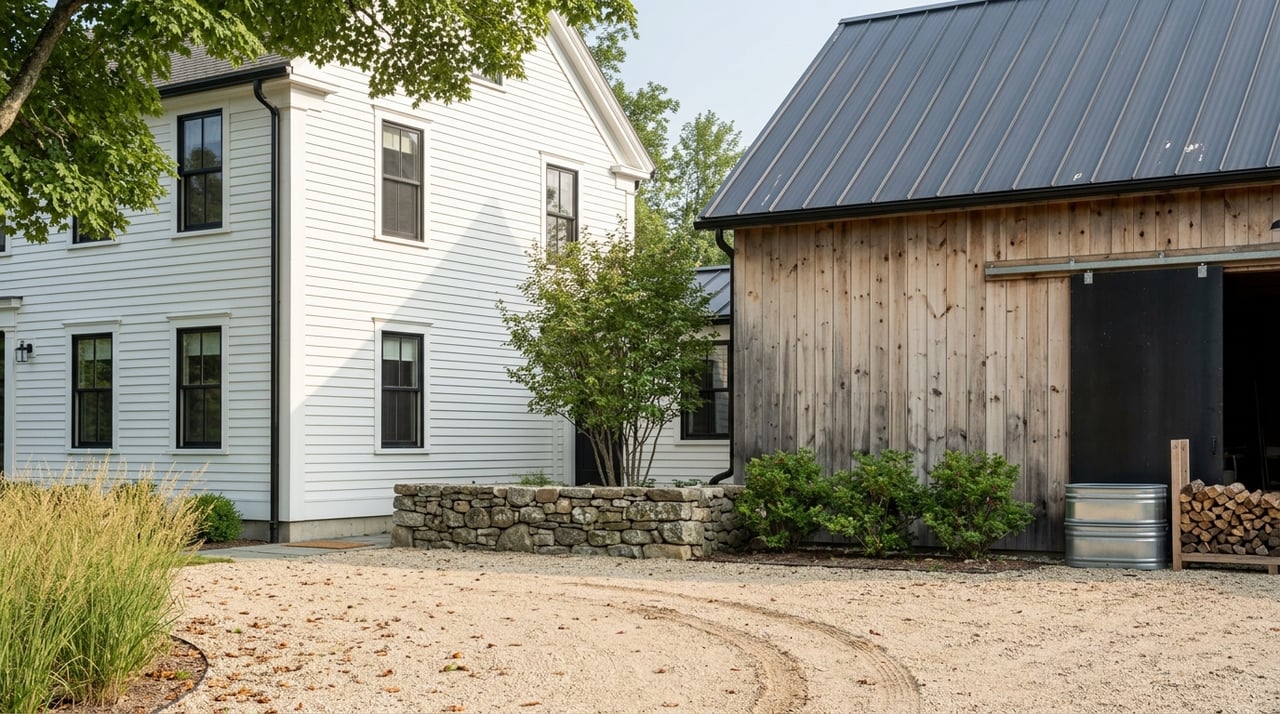
In this market, barns, paddocks, indoor arenas, workshops, garages, and guest space can be major value drivers. They are also part of what makes a property function well for country living.
At the same time, these structures need their own review. Age, condition, utility access, and permitted use can all affect how useful they will be after closing.
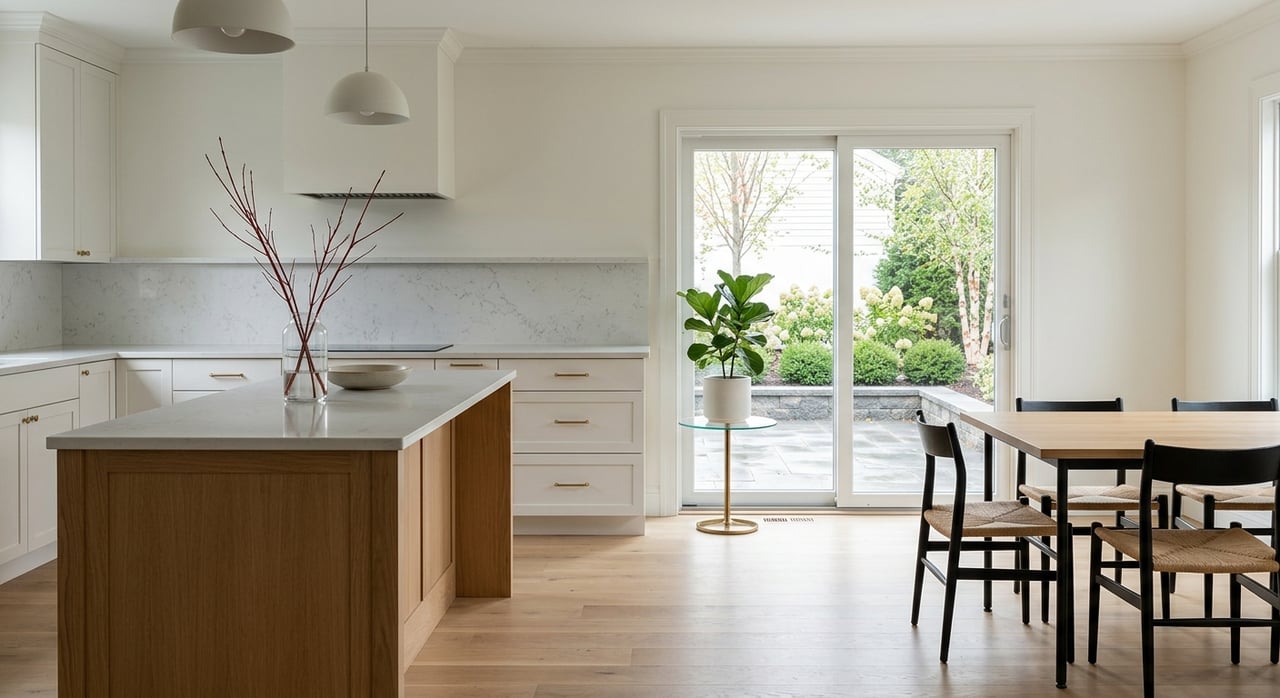
Luxury buyers in Columbia County often place real value on homes that are ready to enjoy. Renovated kitchens and baths, updated waste lines, newer roofs, modern mechanicals, solar, and EV charging are all features that appear in current high-end inventory.
For that reason, condition can influence price as much as architecture or acreage. A beautiful old farmhouse may be compelling, but the real cost picture becomes much clearer when you know the state of the systems behind the walls.
Country homes in Columbia County are often priced on land and condition as much as interior size. That is especially true when you compare a restored historic home, a horse farm, and a modern retreat on acreage. They may serve very different goals even when they sit in a similar price range.
This is one reason buyers can feel uncertain at first. Traditional side-by-side comparisons are harder when every property has a different mix of setting, improvements, infrastructure, and long-term maintenance needs.
A thoughtful buying approach looks at the whole ownership picture, including:
Large parcels and older homes often require deeper record review. In Columbia County, the Real Property Tax Service Agency maintains assessment rolls, tax maps, GIS maps with aerial imagery, and parcel records, while the County Clerk preserves deeds, mortgages, satisfactions, and maps with records dating back to the 1800s.
That matters because lot lines, easements, old mortgages, and ownership history can all affect value and use. On a larger or older property, public records are not just background material. They are part of your due diligence.
Property taxes can be a major part of the budget for a luxury-country home. The county treasurer notes that property taxes are collected by local town collectors from January 1 through May 31, while school taxes are collected by local school collectors from August or September 1 through October 31.
If you are planning your annual ownership costs, ask for a clear breakdown early. This is especially important if the property includes substantial acreage, multiple structures, or any farm-related use.
If you are looking at farmed land, tax treatment can be a meaningful factor. New York states that eligible land may receive an agricultural assessment that limits taxable value, and there are also separate farm-building exemption resources.
That does not mean every country parcel qualifies. It does mean you should ask whether the property is in agricultural production now, whether any tax relief is already in place, and what may change if ownership or use changes.
Many of Columbia County’s most appealing homes are older homes, historic homes, and renovated farmhouses. These properties can offer incredible character, but they also deserve careful inspection and planning.
New York’s Property Condition Disclosure Act requires the seller of residential real property to provide the disclosure statement before the buyer signs a binding contract. The state also makes clear that the form is not a warranty and not a substitute for inspections.
The current disclosure form asks about flooding, drainage problems, basement seepage, water source, and radon testing. Those questions are especially relevant in a country-home purchase, where environmental conditions can have a real impact on comfort, maintenance, and future projects.
You should treat the disclosure as a starting point, not the finish line. A property can be visually stunning and still require careful review of the land and systems.
If you are buying a pre-1978 home, lead disclosure rules apply. EPA data shows that 87% of homes built before 1940 and 24% of homes built from 1960 to 1978 contain some lead-based paint.
For historic estates and older farmhouses, that is an important planning issue. If you expect to open walls, sand trim, or replace windows, it is wise to budget for lead-safe renovation measures from the start.
Private wells and septic systems are common in rural properties, and they deserve serious attention before you close. New York’s Department of Health warns that flooding and runoff can contaminate private wells.
The state also says septic systems should be inspected and pumped every two to three years. In Columbia County, the Department of Health offers water bottle test kits and septic record search applications through its environmental health program, which can help you gather more complete property information.
A well-designed kitchen or beautifully restored barn can catch your eye first. But water quality, septic condition, and service history can affect your day-to-day experience far more than a cosmetic upgrade.
If the home will serve as a full-time residence, weekend retreat, or entertaining property, these systems are central to how smoothly the property will function.
Waterfront and low-lying land can be beautiful, but they can also come with added review. FEMA’s Flood Map Service Center is the official source for flood hazard maps, and NYSDEC states that a permit is required for physical disturbance within a state-protected freshwater wetland or its adjacent area.
That is especially important if you are imagining future improvements. Additions, pools, barns, driveways, land clearing, and other site work may be limited depending on the property.
In Columbia County, scenic land is often part of the appeal. But not every acre should be treated as a blank canvas for future plans.
If you are buying larger acreage or farmland, New York Agriculture and Markets notes that agricultural districts are intended to protect and promote farmland. That makes it important to confirm district status and any land-use implications before assuming the property will function like a standard residential lot.
The right luxury-country home should support the life you want to live. Maybe that means weekend privacy, horse facilities, historic character, guest space, or a turnkey retreat close to Hudson Valley destinations.
In Columbia County, the smartest buyers balance that vision with disciplined due diligence. The goal is not just to fall in love with a property. It is to understand how the land, records, taxes, systems, and future limits fit your plans.
That is where local guidance can make a real difference. When you know what to ask and what to verify, you can move forward with more clarity and a lot less guesswork.
If you are considering a luxury country home in Columbia County, Angela Lanuto can help you navigate the details with local insight, clear communication, and a hands-on approach tailored to the Hudson Valley market.
Stay up to date on the latest real estate trends.
GET IN TOUCH WITH THE ANGELA LANUTO TEAM AT COLDWELL BANKER VILLAGE GREEN REALTY TO LEARN MORE

OFFICE ADDRESS 397 MAIN ST CATSKILL NY 12414