Leave a Message

Thank you for your message. We will be in touch with you shortly.

Thinking of selling your mixed use or commercial building in Hudson, NY?

Angela Lanuto January 15, 2026

Thinking about selling a mixed-use or retail building in Hudson and want a plan that reaches serious buyers without wasting time? You are not alone. Hudson attracts investors, owner-occupants, and lifestyle buyers who look for downtown visibility and dependable income, and they expect a polished package. In this guide, you will see exactly how we price, present, and market properties in Hudson so you can move from “thinking about it” to a confident, well-managed sale. Let’s dive in.

Why Hudson attracts buyers

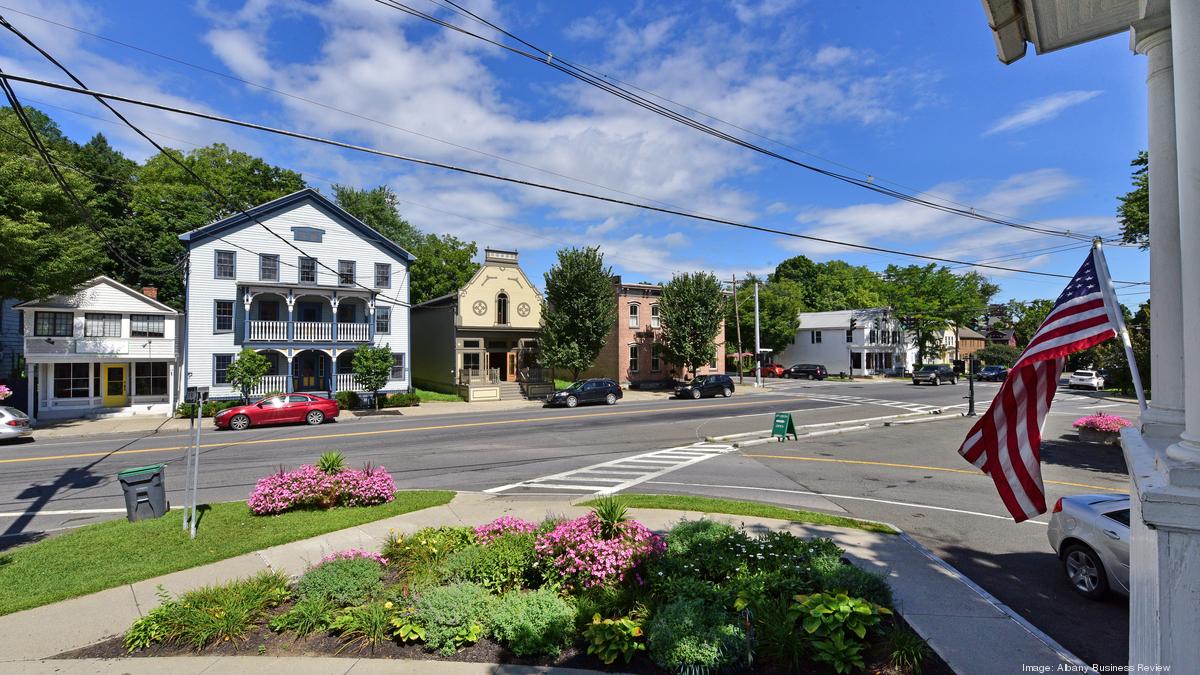
Hudson’s downtown corridor along Warren Street is known for antiques, galleries, restaurants, and destination retail. That reputation, paired with proximity to the Hudson River corridor, creates consistent interest among retailers and investor-operators. Buyers also notice the convenience of Amtrak service to NYC and Albany and the relative affordability compared to NYC suburbs, which draws weekenders and out-of-market investors.

Seasonality matters. Retail and restaurants typically see stronger foot traffic from spring through fall. We plan your listing launch and showing schedule around those peak months when possible to maximize visibility and momentum.

Our pre-listing preparation

Property review and compliance

Before we publish a single photo, we confirm that what we present matches what buyers and lenders will verify. That means checking zoning and permitted uses with the City of Hudson, as well as any historic district rules that might apply to façade changes. We review the Certificate of Occupancy and identify code issues or open permits so you can decide what to address now versus disclose upfront. For mixed-use properties, we also verify residential tenancy details, including lease terms and whether any units may be subject to New York State rent regulation or local overlays. Parking and signage rules can affect leasing and tenant demand, so we outline those considerations for buyers early.

Underwriting package buyers expect

Sophisticated buyers need a clear, organized underwriting package. We assemble a short public brochure and a full data room, with access granted after an NDA when appropriate. The package typically includes:

  • Executive summary with address, property type, building and lot size, current occupancy, NOI, price guidance, and investment highlights.
  • Rent roll with tenant names, lease dates, base and additional rent, deposits, and options or exclusives.
  • Operating statements: trailing 12 months plus prior years when available, and a realistic pro forma with assumptions for vacancy, credit loss, and reserves.
  • Expense support: utility bills, tax bills, and insurance premiums that tie to the financials.
  • Copies of leases and lease abstracts, plus tenant estoppels or summaries when possible.
  • Physical reports: floor plans, site plan, parking count, inspection or mechanical summaries, capital expenditures, and any CO notes or code items.
  • Environmental context: a Phase I ESA summary if available and any known history relevant to risk.
  • Title and legal documents: deed, legal description, and current title commitment or abstract.
  • Market materials: comparable sales and leases in Hudson and Columbia County, trade-area demographics, and nearby anchors.

Pricing and valuation strategy

We use multiple approaches to triangulate value and explain it to buyers. For income-producing buildings, we focus on the income approach by capitalizing Net Operating Income. We also show gross rent multiplier or price per unit for small multifamily components, and we reference comparable sales for owner-occupant scenarios. If the property is a value-add, we quantify projected renovation costs, permitting timelines, and conservative rent improvements so investors can plug numbers into their models.

Many buyers in Hudson are investor-operators or restaurateurs who respond to clear risk and return. We present both in-place and stabilized scenarios with transparent assumptions. If widening the buyer pool makes sense, we can discuss alternative structures such as seller financing, leasebacks, or phased closings, noting tax and legal implications so you can consult your advisors.

Strategic buyer targeting

Buyer profiles we pursue

Hudson’s buyer pool includes a mix of local and out-of-market prospects. We actively pursue:

  • Local and regional investor-operators seeking individual assets or small portfolios.
  • Owner-occupants such as restaurateurs, specialty retailers, galleries, and professional firms.
  • Small multifamily investors looking for mixed-use income in walkable areas.
  • 1031 exchange buyers seeking replacement properties in upstate markets.
  • Developers and renovators exploring adaptive reuse, where zoning allows.
  • NYC metro buyers seeking second-home income or passive investments.

Outreach channels that work

We combine broad exposure with targeted outreach so your listing reaches the right eyes quickly. Our plan typically includes:

  • Commercial portals with national reach to capture investor searches and generate qualified leads.
  • Direct broker outreach across the Hudson Valley and NYC commercial networks.
  • Local MLS and brokerage channels to reach community buyers and owner-occupants.
  • Email campaigns to curated lists of investors, 1031 intermediaries, restaurant brokers, and managers.
  • Broker open houses and targeted showings scheduled during stronger retail seasons for better engagement.
  • Social media campaigns tailored to investors on LinkedIn and to local awareness on Facebook and Instagram.
  • On-site signage and local press opportunities to capture drive-by and community interest.

When confidentiality is a priority, we adjust platform choices and restrict sensitive details to our secure data room after NDAs are executed.

Standout media and presentation

Professional visuals that sell

Quality visuals drive engagement and shorten the decision cycle for out-of-town buyers. We recommend:

  • Professional photography of exteriors, storefronts, interiors, streetscapes, and parking.
  • Aerial or drone photography and video to show context and walkability.
  • A short property video, 60 to 90 seconds, highlighting key features and location appeal.
  • Matterport or 3D tours for remote investors, with host or tenant consent confirmed.
  • Floor plans with measured unit sizes and typical layouts.
  • Renderings or concept plans for value-add ideas, clearly labeled as conceptual.

Collateral and messaging

We build a high-quality PDF brochure and a one-page teaser that clearly communicate the investment story. Messaging is tailored to buyer type. Investors see yield, rent roll clarity, and pro forma upside. Owner-occupants see visibility, foot traffic, and buildout potential. We highlight transport linkages like Amtrak access, the draw of Warren Street, and neighborhood anchors to support demand without overpromising.

Showings, lead qualification, and timing

Showing strategy

Showings are by appointment, with coordination to respect tenants and business operations. We confirm tenant consent where needed and provide a standardized showing packet with property facts and a map of nearby amenities. When practical, we time showings to busier spring through fall months to take advantage of real-world foot traffic. The goal is to give buyers a clear, on-the-ground view of how customers will experience the location.

Qualifying buyers

We qualify leads before committing significant time to showings or negotiations. Strong prospects provide proof of funds or a lender letter, an LOI with key terms, and a realistic timeline. We prioritize buyers who understand local permitting and who present clean terms such as meaningful earnest money and shorter contingencies. This keeps momentum high and protects your time and privacy.

Deal management and timeline

A clear process keeps everyone aligned and reduces surprises. A typical timeline looks like this:

  • Week 0 to 2: Preparation. We compile the underwriting package, professional photography, floor plans, and data room.
  • Week 1 to 3: Launch and syndication. Listing goes live on chosen platforms, with email and broker outreach.
  • Week 2 to 6: Active marketing. We host a broker open and conduct targeted showings and follow-ups.
  • Week 4 to 8: Offers and LOIs. We negotiate and select a preferred buyer.
  • LOI to contract: 7 to 21 days, depending on complexity and contingencies.
  • Due diligence: 30 to 90 days, depending on financing, inspections, and title.
  • Closing: 30 to 120 days after contract, based on lender pacing and time to cure any title exceptions.

Best practices that keep deals on track

  • Centralized secure data room with a clear folder structure and NDA-controlled access.
  • Standardized due diligence checklist and timeline shared at LOI acceptance.
  • Lead and activity tracking via CRM to monitor sources, showings, and LOI status.
  • Early coordination with title, your attorney, and lenders to align closing timelines.
  • Negotiation of critical terms in the LOI, including earnest money, contingency lengths, inspection scope, cost allocations, and any escrows or repairs.
  • Consideration of nonstandard structures such as carryback financing or a seller leaseback when it may expand the buyer pool, with clear disclosure of tax and legal impacts.

Navigating risks and lender concerns

Common issues we address early

Buyers and lenders focus on clear title, the stability of in-place income, and the condition of major systems like roof and HVAC. Environmental liability is another concern, especially when there may be historic fuel tanks or prior industrial uses. We recommend recent surveys and an environmental summary when appropriate. We also provide market comparables that support the cap rate range used in pricing.

Financing paths we highlight to buyers

To help buyers close with confidence, we point them toward financing options that fit their use and the property type. These include local community banks and regional lenders familiar with Hudson assets. For owner-occupants, SBA 7(a) or 504 loans can be a match. For eligible small multifamily components, agency small balance programs may apply. Value-add buyers might explore bridge or construction loans, and, when sensible, seller financing can bridge gaps.

Checklists you will get from us

  • Pre-listing checklist: confirm zoning and CO, gather deed and tax bills, secure professional photos and floor plans, assemble rent roll and T-12s with expense support, finalize teaser and underwriting package, decide on platform mix and confidentiality level.
  • Showing and qualification checklist: appointment management, tenant consent, buyer contact details, proof of funds or lender contact, intended use, and a standardized showing packet.
  • LOI and due diligence checklist: purchase price and earnest money, due diligence and contingency timelines, closing date, Phase I or II as needed, survey, building inspections, lease estoppels, title exceptions and cure list, vendor contracts, and utility history.

What you can expect working with us

You get boutique, hands-on service backed by national marketing reach. Our team is based in Catskill and serves Columbia County and Hudson with local knowledge and a marketing-first approach. We bring a track record of 300-plus lifetime sales and brand recognition that includes regional awards, which we put to work for your property. You will see polished presentation, consistent communication, and a structured process that protects your time and supports top-of-market outcomes.

If you are considering a sale this season or want an early pricing conversation, we are ready to help you plan the right path. Connect with Angela Lanuto to schedule a confidential consultation.

FAQs

How do you price a mixed-use building in Hudson?

  • We triangulate value using the income approach to NOI, comparable sales, and realistic pro forma scenarios, then explain the assumptions so buyers and lenders can underwrite with confidence.

What documents should I gather before listing my Hudson property?

  • Assemble a rent roll, T-12 and prior operating statements, leases and abstracts, tax and utility bills, insurance, floor plans, CO and code status, and any inspection or environmental reports.

How do you protect tenant relationships during showings?

  • We schedule by appointment, secure tenant consent, limit disruptions, and use a standardized showing packet so visits are efficient and respectful of operations.

When is the best season to list a Hudson retail or mixed-use property?

  • Spring through fall typically brings stronger foot traffic and more engaged showings, and we time listing launches and events to align with those months when possible.

Do you market to NYC buyers for Hudson properties?

  • Yes, our outreach includes out-of-market investors and owner-occupants from the NYC metro area who value Amtrak access and Hudson’s established downtown appeal.

Can seller financing help my Hudson sale?

  • It can widen the buyer pool and bridge valuation gaps when terms are structured thoughtfully, and we discuss potential benefits and risks so you can consult your attorney and CPA.

Work With Us