Red Hook vs Rhinebeck Living: Which Village Fits You?
Angela Lanuto January 1, 2026
Angela Lanuto January 1, 2026
Trying to decide between two classic Hudson Valley villages just 10 minutes apart? If you love small-town charm but still want great food, arts, and an easy commute plan, Red Hook and Rhinebeck each offer a distinct daily rhythm. You might be leaning toward one for its quiet streets or the other for its lively downtown, but the right fit comes down to how you live day to day. In this guide, you’ll compare walkability, dining and arts, housing character, and commuting, plus get a simple weekend plan to test both. Let’s dive in.
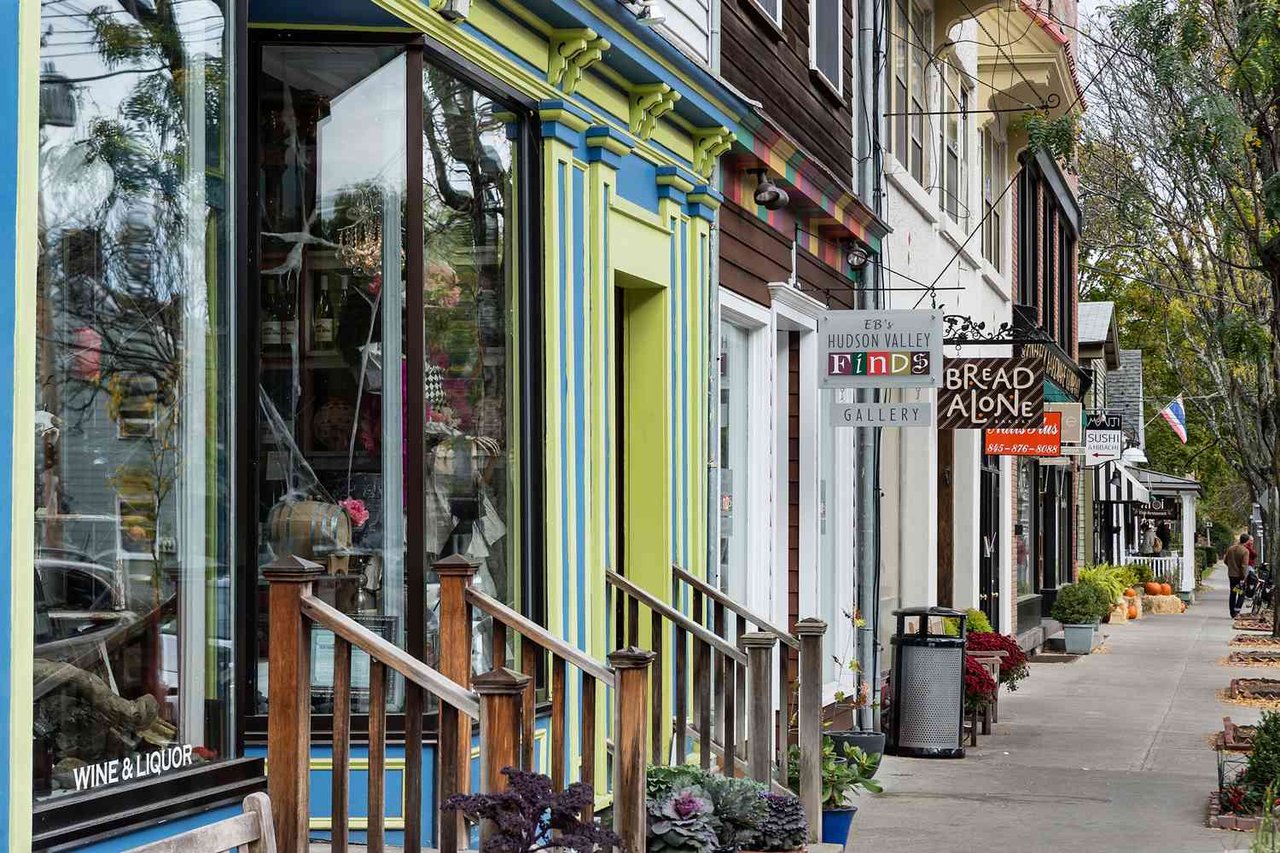
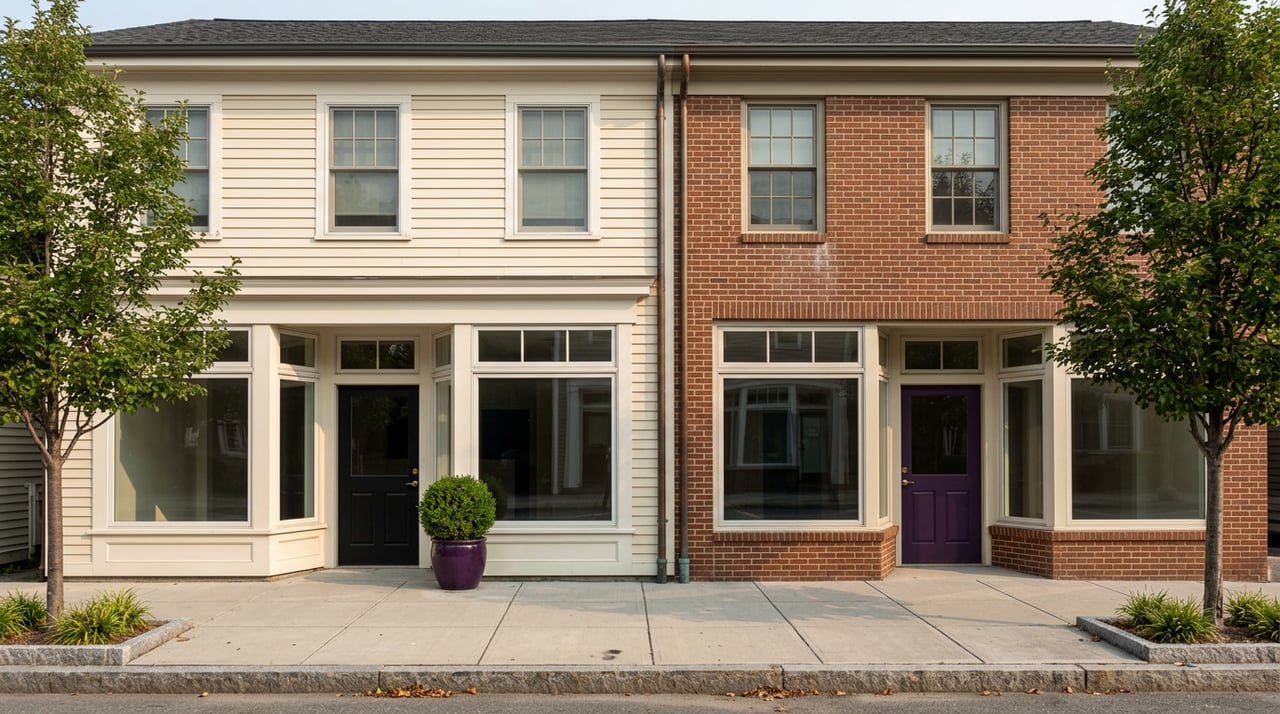
Rhinebeck’s village core feels compact and pedestrian friendly. Within a short walk you’ll find a tight cluster of cafes, restaurants, boutiques, and services. It can be busy on weekends, so expect more foot traffic and tighter parking near peak hours.
Red Hook’s village center is smaller and generally quieter. You’ll find a few blocks of walkable streets, but many amenities sit a short drive away, especially in the broader town where hamlets and homes are more spread out. Parking is usually easier, and the pace feels more residential.
Rhinebeck tends to pack a higher concentration of restaurants, shops, and lodging within its core. Seasonal events and markets draw regional visitors, so it often feels lively on weekends. If you like having many options a few steps from your door, this downtown structure is appealing.
Red Hook’s cultural life leans into Bard College’s presence nearby. Performances at the Fisher Center and campus programming bring a creative, academic vibe to the area, and some weekends pop with energy when major events are on the calendar. For current schedules, check the Fisher Center at Bard College.
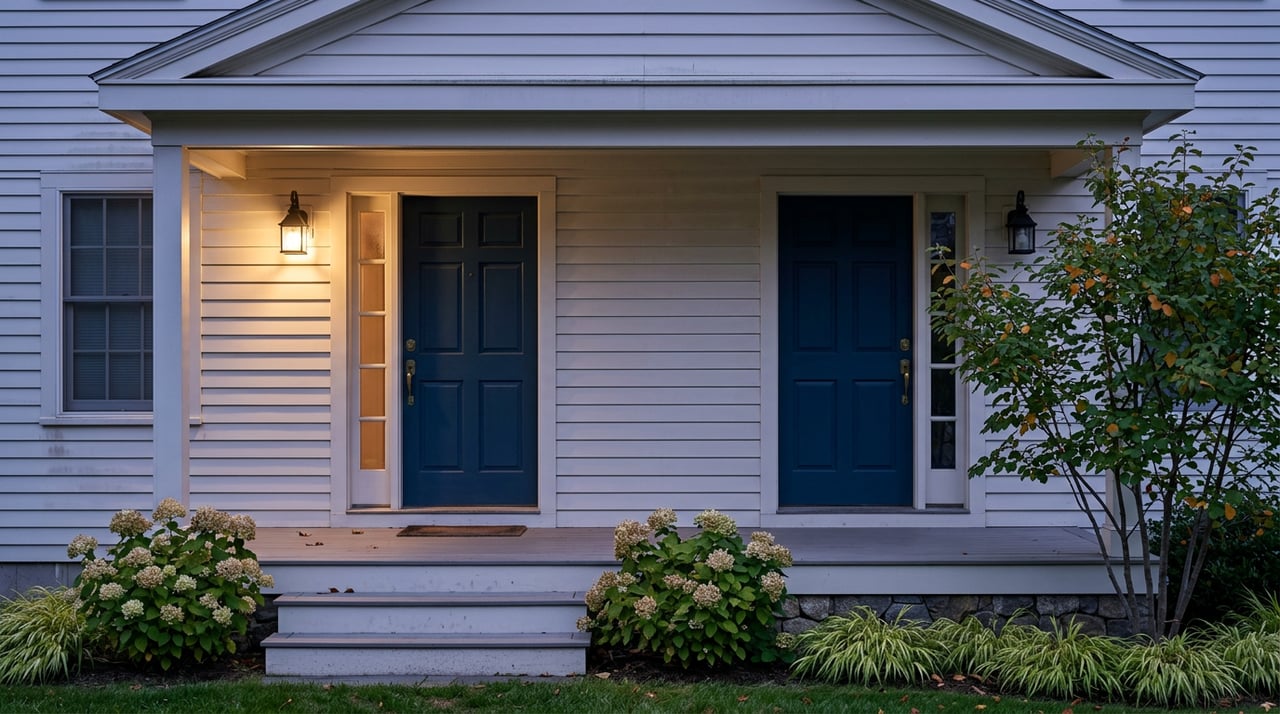
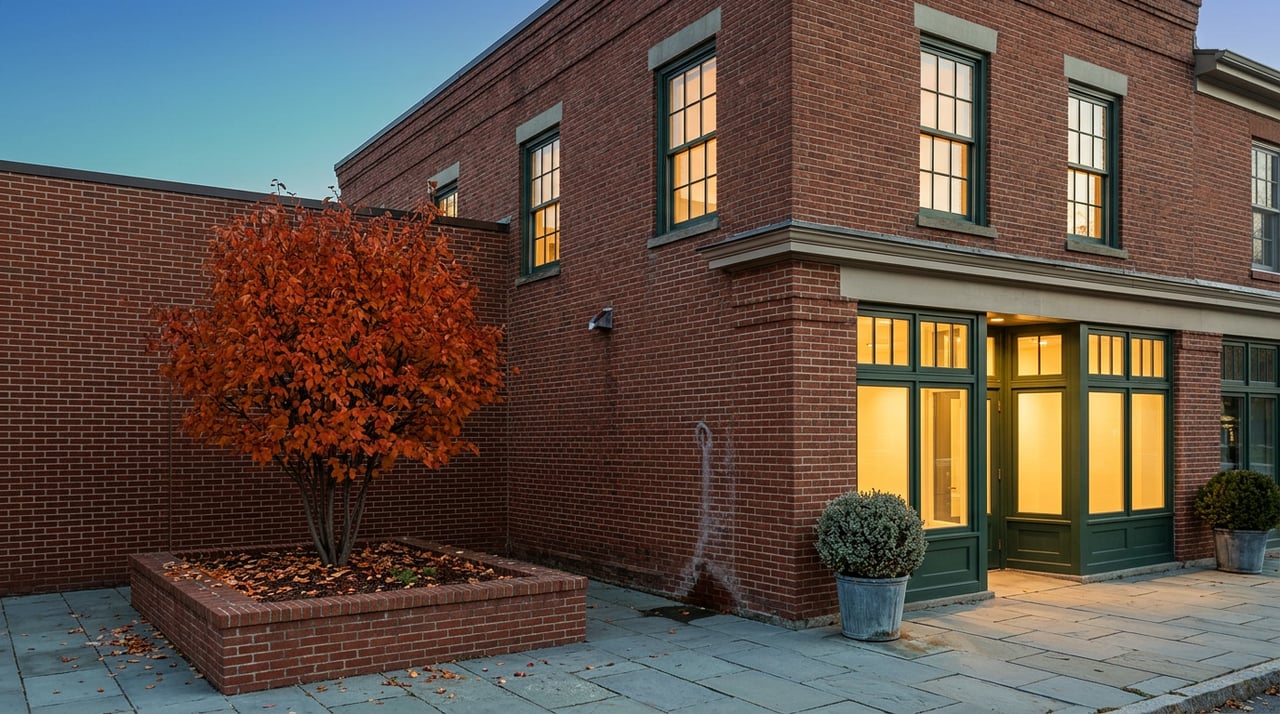
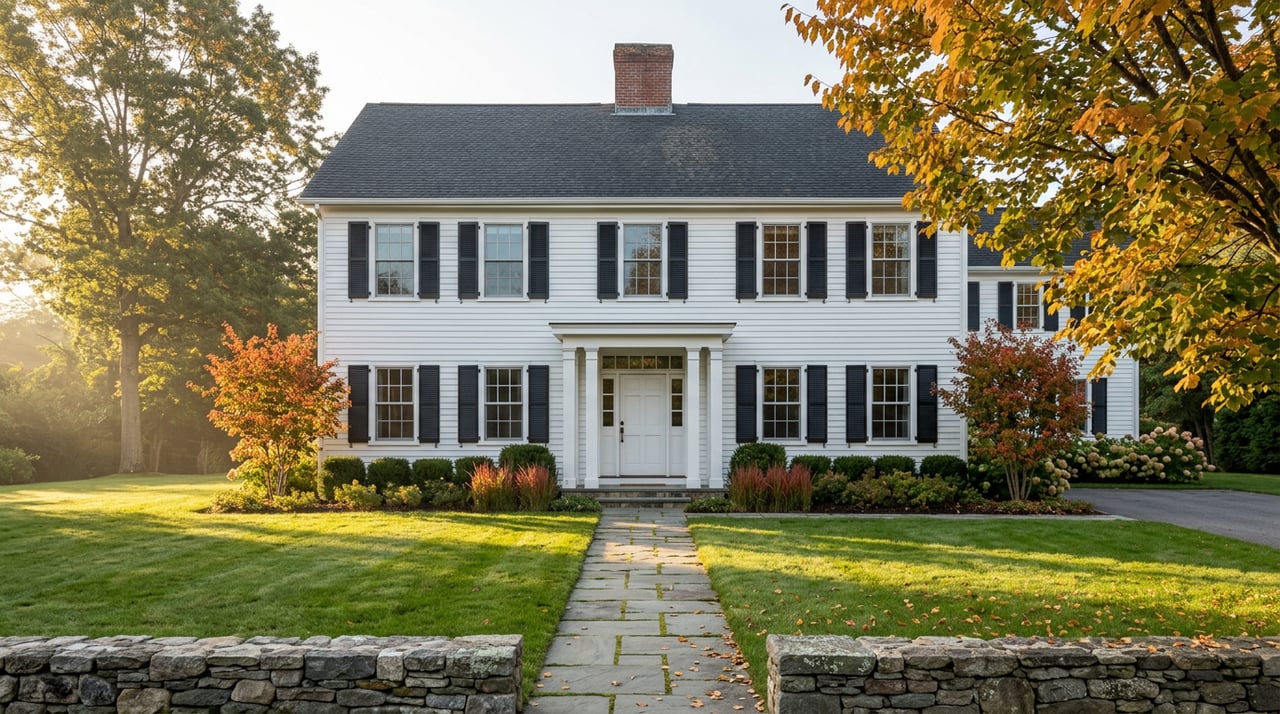
Rhinebeck village showcases historic homes on smaller, denser parcels near downtown, along with carriage houses and early 20th-century architecture. In the surrounding town you’ll also see larger properties and notable estates. The village’s compact, high-amenity setting often commands premium prices per square foot.
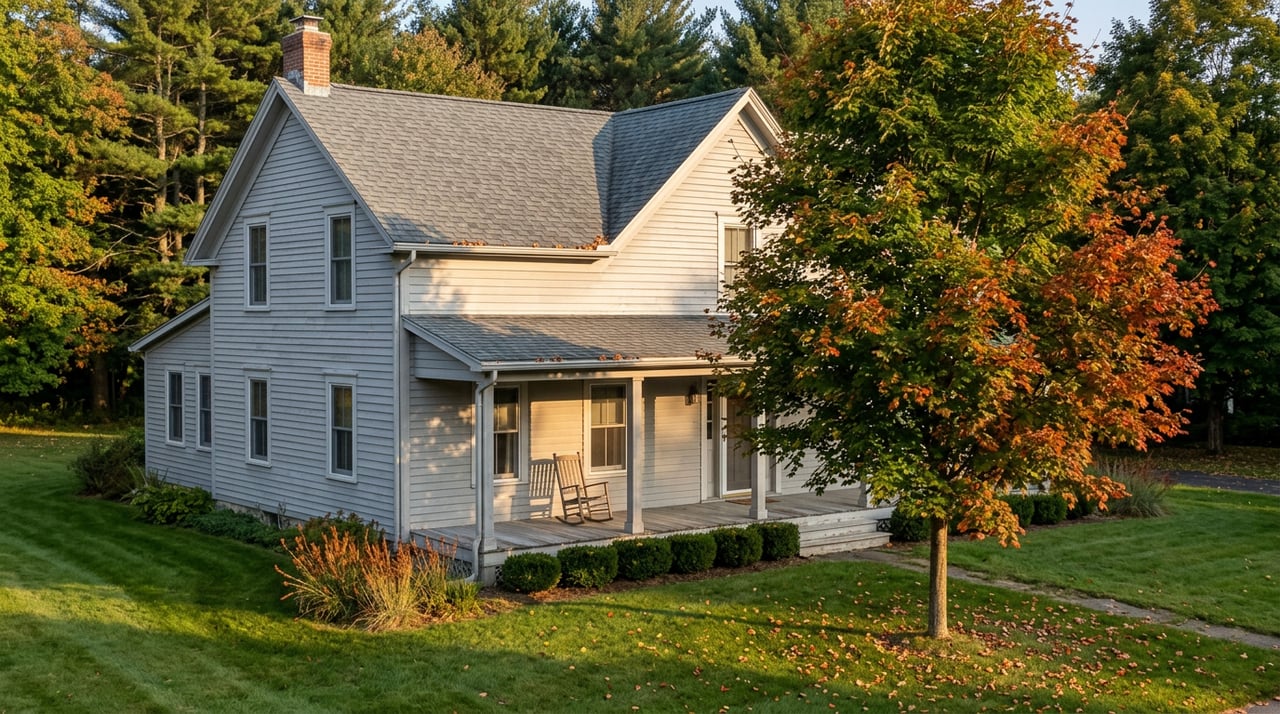
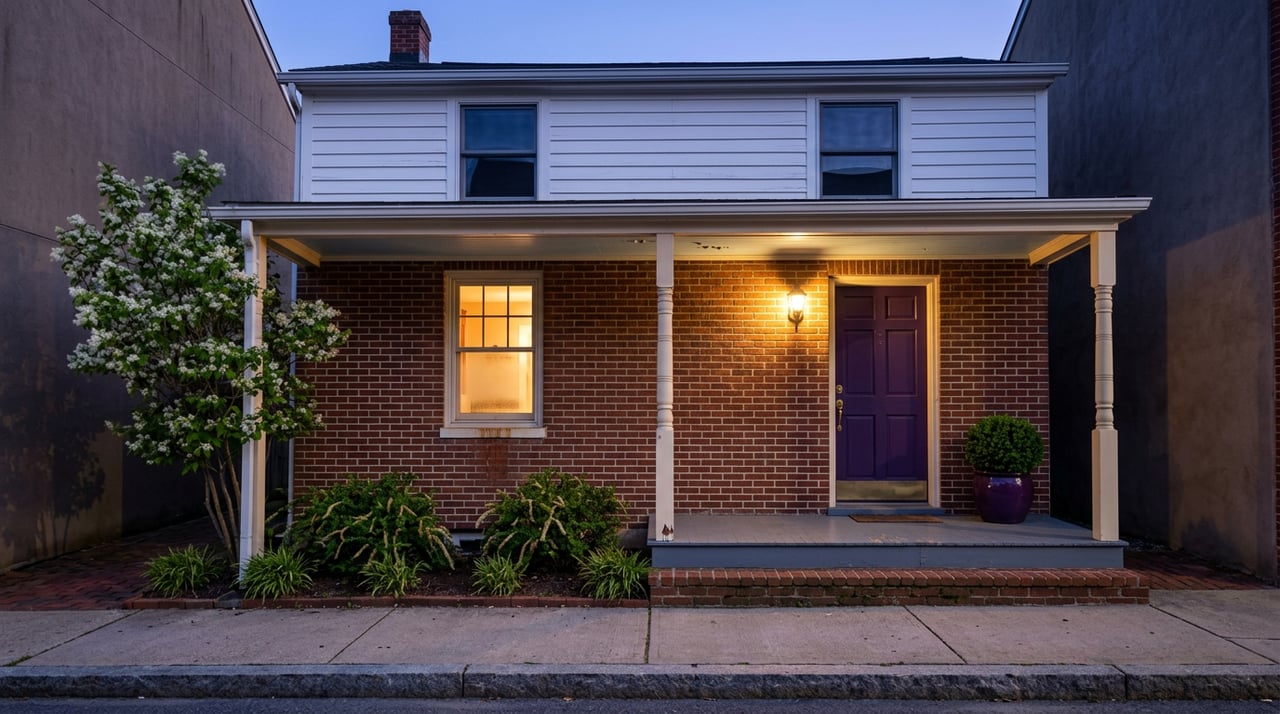
Red Hook offers a mix of classic village houses, farmhouses, 19th-century homes, and rural properties with larger lots in the town outside the village. Near Bard you’ll also find architecturally interesting homes and estates. Many buyers look to Red Hook town when they want more land or a quieter setting while keeping village access within a short drive.
If rail access matters, the area around Rhinebeck offers two distinct choices. The Rhinecliff station provides Amtrak service for trips south toward New York City and north to upstate destinations. For frequent commuter service on the Hudson Line, you can drive to Metro-North’s Hudson Line at Poughkeepsie.
Red Hook does not have a direct rail station in the village. Most commuters drive to Rhinecliff for Amtrak or to Poughkeepsie for Metro-North. Factor in drive and parking time when you map your weekday routine.
Both villages are car dependent for station access and regional errands. If you prefer bus connections to nearby hubs, review routes and schedules with Dutchess County Public Transit. No matter which village you choose, try a weekday morning “commute simulation” to check typical traffic, parking availability, and door-to-door timing.
Properties in each village can fall into different districts, commonly Red Hook Central School District or Rhinebeck Central School District. Program offerings, extracurriculars, and enrollment vary by district. Review the latest district data and profiles on the NY State Education Department report cards, and schedule school visits to understand fit and logistics.
In Dutchess County, property taxes vary by municipality and by whether a home sits in a village or only in the town. Check estimated taxes for specific addresses and confirm any special district charges. For river or creek-adjacent properties, review FEMA flood maps to see if flood insurance may be required using the FEMA Flood Map Service Center, and consult local assessors for parcel specifics through the county’s Real Property Tax resources.
For older homes, ask your insurance provider about coverage implications for historic materials or older systems. Replacement cost assumptions and inspection findings can affect premiums.
Internet options can vary, especially on rural roads outside the village centers. Confirm provider availability and speeds by address. For healthcare, review proximity to primary care and emergency services in and around northern Dutchess County, and confirm response coverage if you plan to live on a rural road.
Both villages include historic districts and design review that may guide exterior changes. In village centers you are more likely to have public sewer, while rural addresses often rely on private wells and septic systems. Check local planning and building departments early if you intend to renovate, add accessory structures, or change use.
What to observe:
What to observe:
Choose Rhinebeck Village if you want a compact, walkable downtown with many dining options and a lively weekend scene, plus straightforward access to Rhinecliff for Amtrak and an easy drive to Metro-North in Poughkeepsie. Pick Red Hook if you prefer a quieter village feel with a strong arts influence from Bard, larger-lot options in the broader town, and simpler parking and traffic on most days. Both are close enough that you can enjoy each other’s strengths, so the decision comes down to your daily routine, commute plan, and preferred pace.
If you want help comparing micro-locations, confirming school districts and tax details for specific addresses, or planning tours that match your lifestyle, reach out to The Angela Lanuto Team. We bring local insight and polished, marketing-first representation to every purchase or sale in the Hudson Valley.
Stay up to date on the latest real estate trends.


GET IN TOUCH WITH THE ANGELA LANUTO TEAM AT COLDWELL BANKER VILLAGE GREEN REALTY TO LEARN MORE

OFFICE ADDRESS 397 MAIN ST CATSKILL NY 12414