Your Guide to Greene County NY Second Homes
February 5, 2026
February 5, 2026
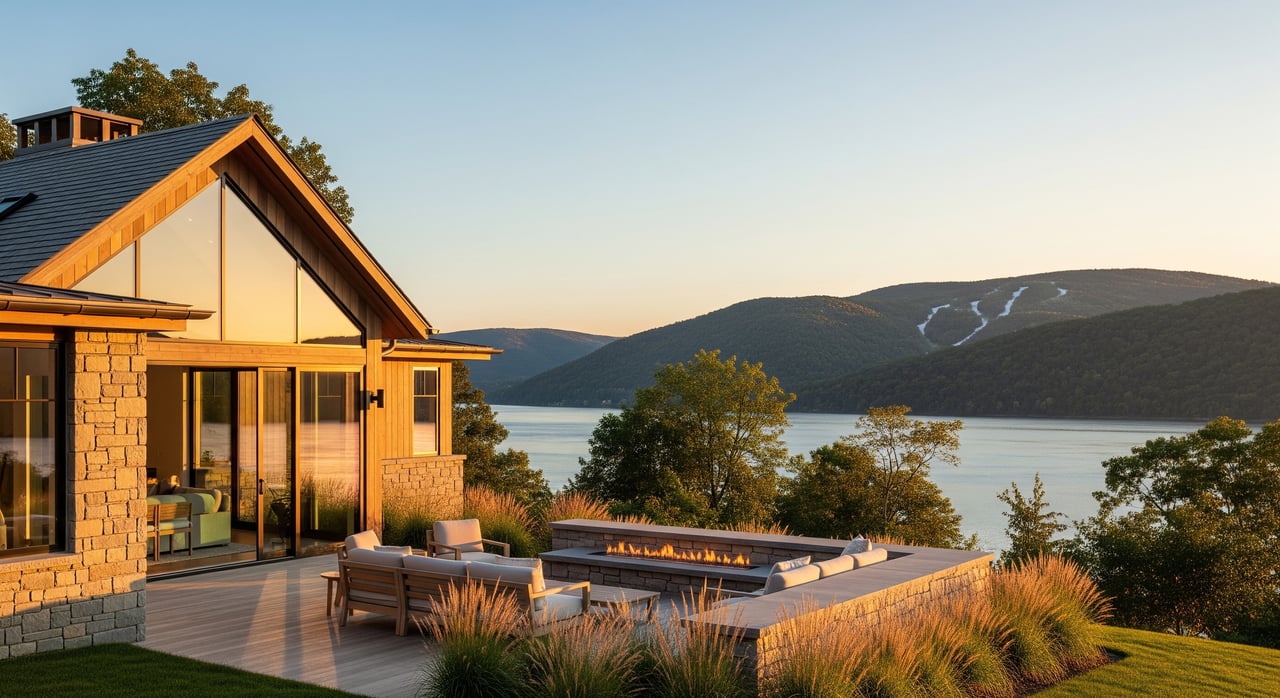
Craving crisp mountain runs on Saturday and sunset river views on Sunday? If you are exploring a second home two to three hours from the city, Greene County offers a mix of ski-area chalets, historic village houses, and quiet wooded retreats. In this guide, you’ll learn where to look, how to assess costs and risk, what to expect from the process, and which local resources to consult before you buy. Let’s dive in.
Greene County sits in the Catskills and Hudson Valley west of the Hudson River. You’ll find destination ski areas at Hunter and Windham, historic villages along the river like Catskill, Coxsackie, and Athens, and large rural tracts with state land access. Weekend owners typically drive, and travel time from NYC often runs about 2 to 3 hours depending on traffic.
Interest in second homes surged after 2020, then moderated as rates rose, but demand remains steady near resorts, riverfront, and walkable village centers. Micro-markets can differ street by street based on lift access, shuttle routes, or Hudson River proximity. Public transit is limited, so if you need rail or bus access, evaluate town-by-town options in advance.
If you want a winter base with four-season appeal, focus on Hunter and Windham. You’ll see chalet-style homes, cabins, townhomes and condos near base facilities, plus newer communities and small-lot subdivisions. True ski-in and ski-out is limited outside resort-owned properties, so proximity to lifts, parking, and shuttle stops is valuable.
Expect an active calendar of winter sports, summer lift-access mountain biking, festivals, and dining around the base areas. Explore current programming at the official sites for Hunter Mountain and Windham Mountain. Plan for winter road care, plowing, and possible HOA or shared-drive maintenance.
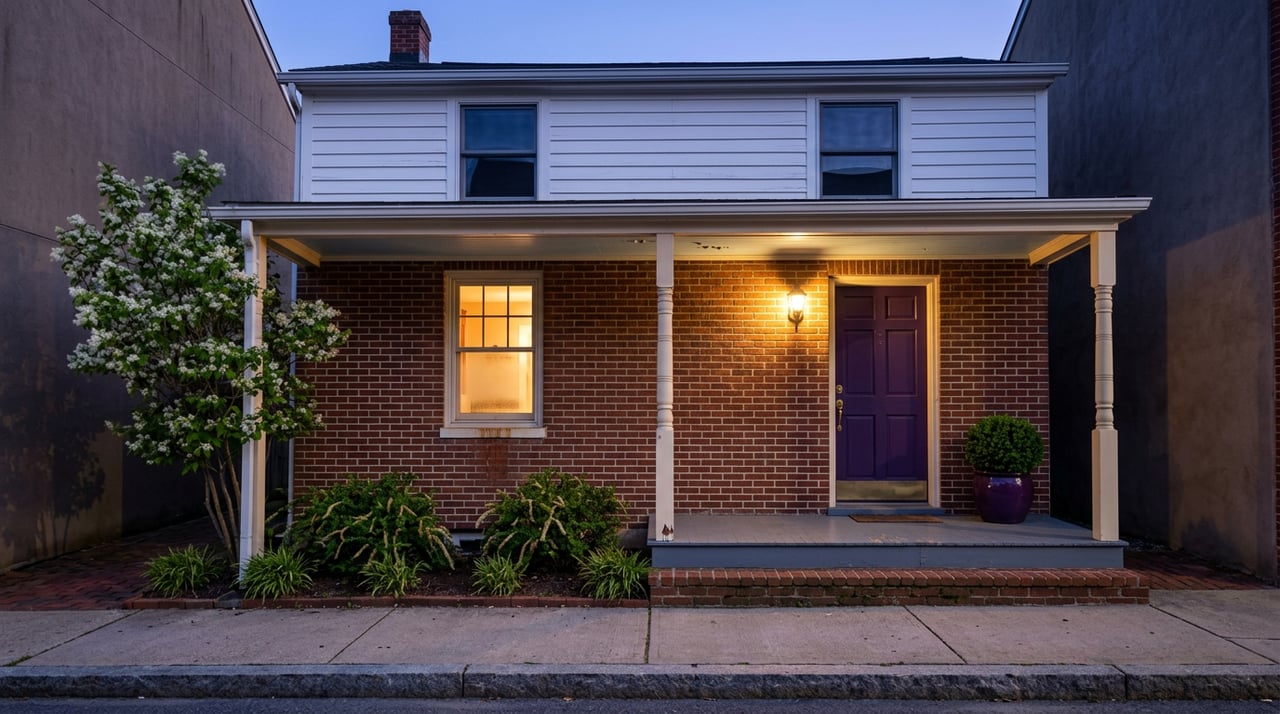
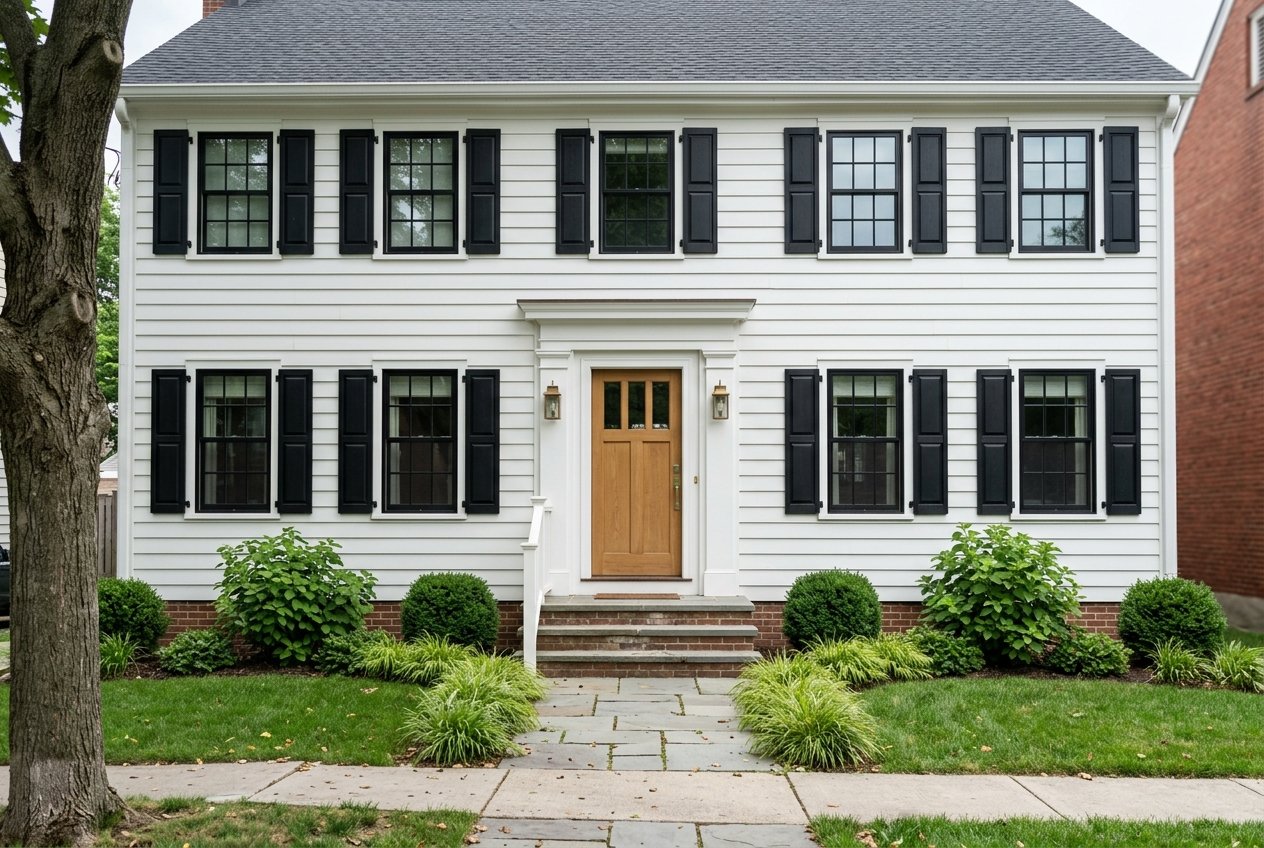
If you picture a porch with river breezes and dinner in a walkable village, look along the Hudson. You’ll find older village houses like Victorians and Greek Revival styles, river cottages, renovated historic homes, some newer builds, and small multifamily buildings near village cores. Many village properties enjoy municipal water and sewer, and you can often reach restaurants, marinas, and cultural venues on foot.
Be mindful of flood exposure along the Hudson. Lenders often require flood insurance for homes in a FEMA-designated floodplain, so check parcel status early in your search. Use FEMA flood maps and consult local floodplain administrators for current guidance.
If privacy and nature are your priorities, consider rural tracts and seasonal cabins. Property types include cabins, cottages, historic farmhouses, manufactured homes, and mixed-use parcels suitable for small agricultural or recreational activities. Wells and septic systems are common, so plan for testing and maintenance, as well as longer winter drives and private road agreements.
Condos and townhome communities cluster near village centers and resort bases. These can offer lower maintenance, though inventory is typically thinner than single-family options. Review any HOA rules, fees, and maintenance responsibilities before you decide.
Most financed purchases close in about 30 to 60 days depending on lender speed and municipal requirements. Cash purchases can close faster, often 15 to 30 days. Inspections, septic repairs, or title issues can extend your timeline.
Second-home mortgages often ask for larger down payments, proof of reserves, and documentation of your primary residence. Many second-home buyers pay cash. If you are considering unique properties like large acreage or unconventional structures, ask lenders about portfolio or vacation-home financing. A pre-approval helps you move quickly when the right property hits the market.
A Catskills second home can be straightforward when you follow a focused inspection plan. Use this checklist to stay on track:
New York property taxes vary widely by municipality. Village homes may carry a separate village tax. Always obtain the most recent tax bill for the specific parcel during due diligence.
Insurance premiums depend on the home’s age, heating type, and distance to fire services. If the home is in a special flood hazard area, lenders typically require flood insurance, and costs can be significant. Roof resiliency and snow loads can also affect premiums in mountain areas.
Utilities and heat deserve a close look. Many homes rely on oil, propane, or wood heat, and natural gas is less common in rural areas. Estimate seasonal heating costs and delivery schedules. Confirm internet provider options and cell coverage maps for remote parcels.
Plan for ongoing maintenance and winterization. Budget for snow removal, roof clearing where necessary, septic pumping, well servicing, tree work, and regular exterior upkeep. If you will come and go seasonally, add costs to winterize and de-winterize, plus periodic property checks or management visits.
If you plan to rent the home, factor property management, cleaning, guest support, linens, and higher utilities into your numbers. Some towns collect transient occupancy taxes and require STR registration. Lenders often require reserves for second homes, so set aside funds for big-ticket items like roofs or septic systems, especially in older properties.
If you want maximum time on snow, focus on proximity to lifts, shuttles, parking, and base-area restaurants. Ask about plow contracts and turnarounds for steep drives. Consider off-season uses such as lift-access biking, festivals, fall foliage, and shoulder-season rental demand. Check current events and lift schedules at Hunter Mountain and Windham Mountain.
Homes near Catskill Park trailheads attract hikers and nature lovers. Bordering state land can be a plus for easy access, but review parking rules, trail regulations, and any conservation easements that affect use. Explore land-unit guidance and maps from the New York State Department of Environmental Conservation before you buy based on trail proximity.
If boating is your focus, look at access to municipal or private launches, slip availability, marina services, and public docking near Catskill, Coxsackie, and Athens. Waterfront and near-water parcels may have riparian regulations and elevated flood risk, so pair your search with early flood zone checks.
Village homes offer walkability, restaurants, cultural events, and municipal services. Rural homes trade convenience for privacy, acreage, and quiet. Consider your weekly needs such as groceries, medical care, utilities, and emergency response times, then choose a location that matches your routines.
Year-round use calls for dependable winter road maintenance, efficient heating systems, and reliable internet and phone service. Seasonal users often prefer properties that are easy to winterize and low maintenance between visits.
Short-term rentals can help offset carrying costs, but rules differ by town and village. Some municipalities require registration, safety inspections, occupancy limits, and local taxes. Confirm rules directly with the municipality before you rely on STR income in your purchase plan.
Use these official sources early in your process:
Buying a second home from a distance works best with a local guide who knows each micro-market and its quirks. The Angela Lanuto Team is based in Catskill and serves Greene County and the wider Hudson Valley with boutique, hands-on service backed by Coldwell Banker’s national marketing reach. With 300-plus lifetime sales and recognition from regional awards programs, our team pairs market knowledge with polished presentation to protect your interests from first tour to closing.
Whether you want a ski chalet near the lifts, a river-view village house, or a private cabin in the woods, we will help you weigh flood and septic considerations, confirm local rules, and negotiate a timeline that works for you. Ready to explore Greene County second homes with a trusted local advisor? Connect with Angela Lanuto to start a focused, informed search.
Stay up to date on the latest real estate trends.
GET IN TOUCH WITH THE ANGELA LANUTO TEAM AT COLDWELL BANKER VILLAGE GREEN REALTY TO LEARN MORE
OFFICE ADDRESS 397 MAIN ST CATSKILL NY 12414