Dutchess County NY Investment Property Basics
April 23, 2026
April 23, 2026
If you are looking at Dutchess County for a multi-family or mixed-use investment, the biggest mistake is treating the whole county like one market. A property in downtown Poughkeepsie, near Beacon’s train station, or in Rhinebeck’s historic village can look similar on paper but perform very differently in real life. This guide will help you understand the basics, compare key submarkets, and focus your due diligence where it matters most. Let’s dive in.
Dutchess County offers a mix of steady local demand, commuter access, and established housing stock that makes it worth a close look. The county had an estimated 300,708 residents in 2024, with 116,275 households, a 69.2% owner-occupied housing rate, and a median gross rent of $1,582, according to the U.S. Census QuickFacts for Dutchess County.
That combination suggests a mature Hudson Valley market with both homeowners and renters in the mix. It also points to a market that is active, but not oversupplied, with 633 building permits issued in 2024 based on the same Census source.
Another reason investors pay attention here is the county’s broad economic base. Census data show 7,677 employer establishments and 93,728 total employment in 2023, with major activity in retail and health care/social assistance. For you, that matters because rental demand is not tied to one single industry or one single type of tenant.
Transit is one of the clearest demand drivers in Dutchess County. The MTA Hudson Line map and service information show both Poughkeepsie and Beacon as rail-served markets, and MTA notes that some Poughkeepsie super-express trains run to Grand Central in under 90 minutes.
Beacon also benefits from connections through Dutchess County Public Transit and the Newburgh-Beacon Ferry, as referenced by the same MTA resource. If you are evaluating a mixed-use or rental property, station access can shape tenant demand, achievable rent, and future resale interest.
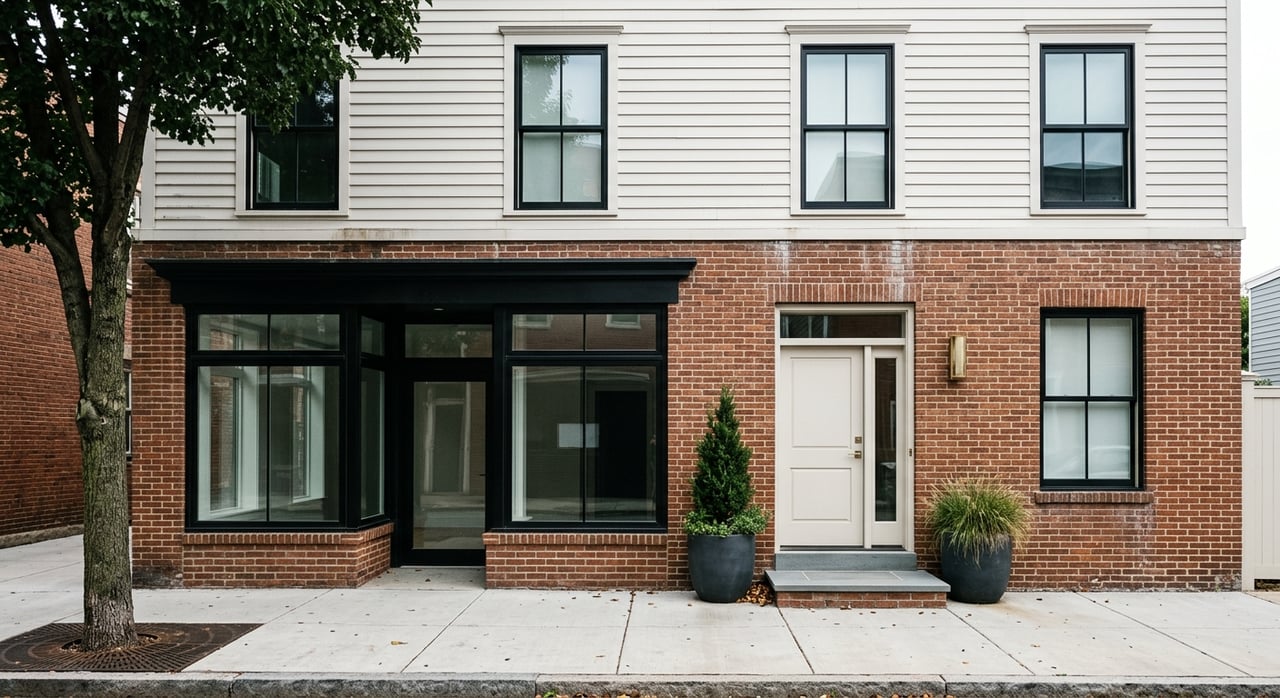
For small and mid-sized investors, Dutchess County usually comes down to a handful of practical property types. These include 2-to-4 family homes, small apartment buildings, older storefront buildings with apartments or offices above, and adaptive-reuse properties in village or downtown settings.
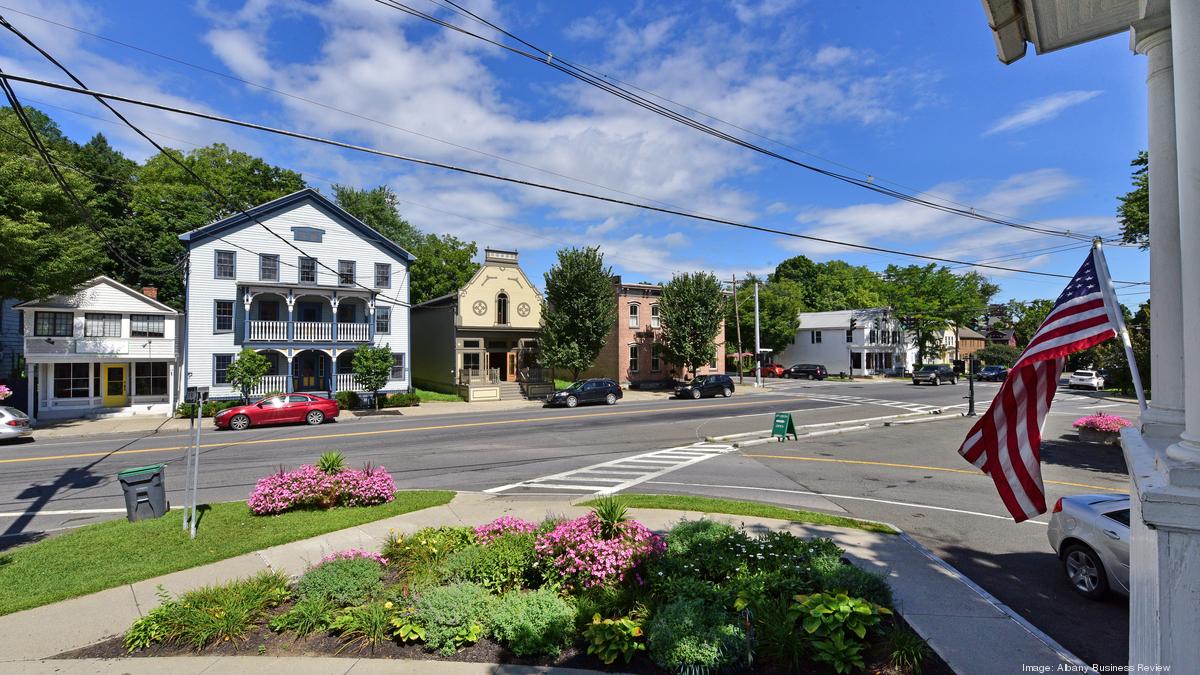
In some municipalities, you may also run into accessory dwelling unit or live/work opportunities. The key is that zoning, parking, historic review, and use rules can vary sharply by municipality and even by block. The City of Poughkeepsie zoning code is a good example, since it specifically organizes mixed-use districts around residential, retail, service, commercial, and light industrial uses.
A smart first step is to think about who the building is best suited to serve. Dutchess County averages 2.40 persons per household, and 41.6% of adults hold a bachelor’s degree or higher, according to county Census data. But the county’s local markets are not interchangeable.
Poughkeepsie tends to be more renter-heavy and more income-sensitive. Beacon tends to be more shaped by transit access, walkability, and commuter patterns. Rhinebeck is often a smaller-scale, more owner-occupied environment where selective leasing and building quality can matter more than maximizing unit count.
That means your unit mix should fit the likely demand. In one location, a larger apartment may be the right play. In another, smaller units above a storefront or a carefully positioned mixed-use setup may make more sense.
Poughkeepsie is the county’s clearest example of an urban, mixed-use-friendly market. The city zoning code states that its mixed-use districts are intended to support mixed residential and commercial activity in a pedestrian-friendly setting, with the most intense vertical mixed-use concentrated downtown.
The city is also tying its planning work to downtown reinvestment. The Downtown Revitalization Initiative page highlights mixed-use development as part of the broader redevelopment conversation. For you, that makes Poughkeepsie an important market to study if you are considering apartments over storefronts, smaller apartment buildings, or adaptive-reuse opportunities.
According to Poughkeepsie Census QuickFacts, the city has an owner-occupied rate of 38.8%, median gross rent of $1,400, and median household income of $60,741. Those figures suggest a more rental-oriented environment than many other Dutchess County locations.
For investors, that can point to value-oriented rental demand. It can also mean that operating costs, maintenance planning, and realistic rent assumptions are especially important when you run your numbers.
Beacon is smaller than Poughkeepsie, but it is highly influenced by Main Street and the train station. The city’s Main Street Access Advisory Committee page focuses on parking, traffic, public transit, and pedestrian movement that support Main Street activity.
This tells you something important about the market. In Beacon, walkability and transit can matter just as much as the building itself, especially for mixed-use or smaller multifamily properties.
Beacon station is accessible and linked to transit and ferry connections, which adds flexibility for residents and visitors. The same city resource also supports the broader picture of a connected, active market.
The research report also notes that the state approved a 265-unit mixed-income housing project next to the station in 2025. That does not guarantee returns on nearby properties, but it is a useful sign that station-area housing remains part of the city’s growth pattern.
Based on Census data for Beacon included in the referenced QuickFacts comparison, Beacon has an owner-occupied rate of 61.1%, median gross rent of $1,658, and median household income of $107,859. Compared with Poughkeepsie, that points to a market that may support higher-quality rentals where location, condition, and presentation play a larger role.
If you are looking at a mixed-use building here, the appeal may come from proximity to Main Street, the station, and a walkable setting rather than from maximum density alone.
Rhinebeck is a different kind of investment conversation. The Village of Rhinebeck describes itself as the community center and hub of commerce within the Town of Rhinebeck, and its historic district information points to Planning Board review for certain contributing properties before demolition.
The town zoning board also handles use and area variances. If you are considering an older mixed-use building, village storefront, or small multifamily conversion, approvals and preservation issues may be just as important as the purchase price.
The research report cites Census data showing Rhinebeck town with an owner-occupied rate of 71.6%, median gross rent of $1,641, and median household income of $93,284. That profile suggests a smaller, more selective leasing environment rather than a broad apartment market.
For you, that means quality, legal use, and long-term fit may carry more weight than a simple rent-per-unit calculation. In Rhinebeck, a well-positioned property can still be compelling, but the diligence process needs to be especially careful.
| Submarket | Owner-Occupied Rate | Median Gross Rent | Median Household Income | Investor Takeaway |
|---|---|---|---|---|
| Poughkeepsie | 38.8% | $1,400 | $60,741 | More rental-oriented, strongest urban mixed-use framework |
| Beacon | 61.1% | $1,658 | $107,859 | Transit- and walkability-driven, quality and location matter |
| Rhinebeck | 71.6% | $1,641 | $93,284 | Smaller-scale, selective leasing, preservation-aware analysis |
These figures do not tell the whole story, but they are a useful first-pass comparison. They help you see why a one-size-fits-all underwriting model rarely works across Dutchess County.
It is easy to focus on gross rent and stop there. A better approach is to compare expected income against taxes, insurance, utilities, maintenance, reserves, and any property-specific compliance costs.
The countywide median gross rent of $1,582 gives you a rough benchmark, based on Dutchess County Census QuickFacts. But actual performance can shift quickly based on location, building condition, parking, and access to Main Street or rail service.
You should also ask whether the current layout really matches the likely tenant base. A building that works well as a legal 2-to-4 family may underperform if you try to force a mixed-use concept that does not fit the block, the approvals, or local demand.
Before you spend too much time projecting upside, make sure the use is allowed and the approval path is clear. In many Dutchess County deals, that question matters before almost anything else.
Start with questions like these:
For municipal review, local process matters. Poughkeepsie has zoning and variance procedures through the Zoning Board of Appeals, Beacon points buyers and owners toward housing resources including ADU and short-term-rental rules, and Rhinebeck’s village and town review structure can be especially important for older buildings.
The biggest takeaway for investors is simple: Dutchess County is highly block-specific. Poughkeepsie may be the best fit for more traditional urban multifamily and mixed-use analysis. Beacon may be strongest when transit access and walkability are central to the value story. Rhinebeck may reward a more selective, preservation-aware approach where the building and approval path matter as much as the rent roll.
If you are considering a multi-family or mixed-use purchase in Dutchess County, local context can make all the difference. Working with a team that understands Hudson Valley property types, village dynamics, and investment-oriented opportunities can help you move with more clarity. When you are ready to explore the market, connect with Angela Lanuto for hands-on guidance rooted in local knowledge and smart presentation.
Stay up to date on the latest real estate trends.






GET IN TOUCH WITH THE ANGELA LANUTO TEAM AT COLDWELL BANKER VILLAGE GREEN REALTY TO LEARN MORE

OFFICE ADDRESS 397 MAIN ST CATSKILL NY 12414