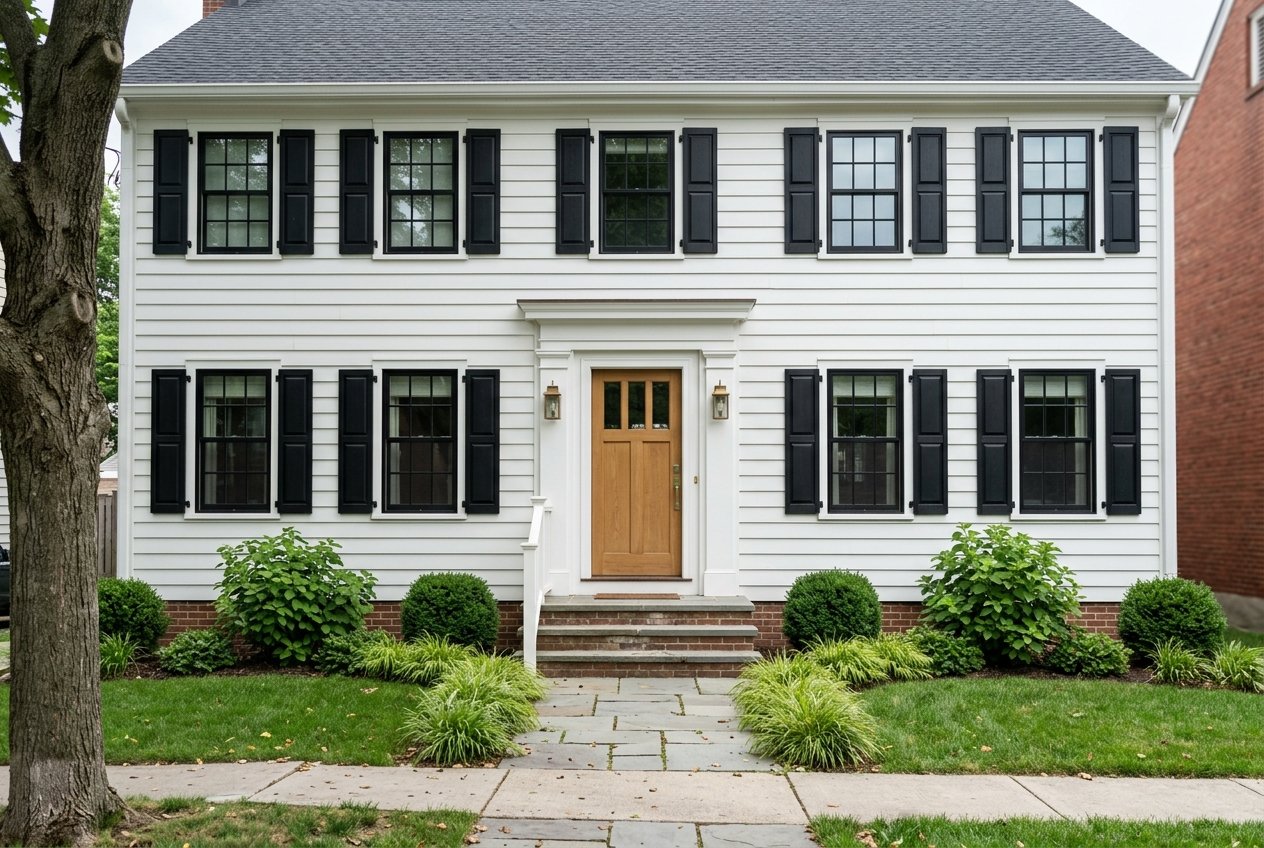
Ulster County Hamlets vs Villages: How to Choose
July 2, 2026
July 2, 2026
If you are comparing homes in Ulster County, one small word can change your day-to-day life more than you might expect: village or hamlet. Those labels shape how close you are to errands, how much land you may find, and even how local government works where you buy. If you want a clearer way to weigh your options before you start touring homes, this guide will help you sort out the trade-offs. Let’s dive in.
In Ulster County, Kingston is a city, and Ellenville, New Paltz, and Saugerties are villages listed in the county’s municipal directory. In New York, a village is an incorporated municipality inside a town. A hamlet, by contrast, is an informal name for an unincorporated community.
That difference matters because villages can have their own boards, budgets, zoning, and local services. Hamlets do not have a separate village government. Instead, they fall under the town structure that governs the surrounding area.
When you buy in a village, you are often stepping into a more layered civic setup. Because villages sit inside towns, buyers may pay both town and village taxes. Village governments can also set their own rules for things like lot size and density, separate from the rest of the town.
For you, that can mean a more defined center with its own services and planning approach. It can also mean a closer relationship between where you live and how the immediate area is managed. If you like places with a clear downtown rhythm and a more organized local core, that may feel like a benefit.
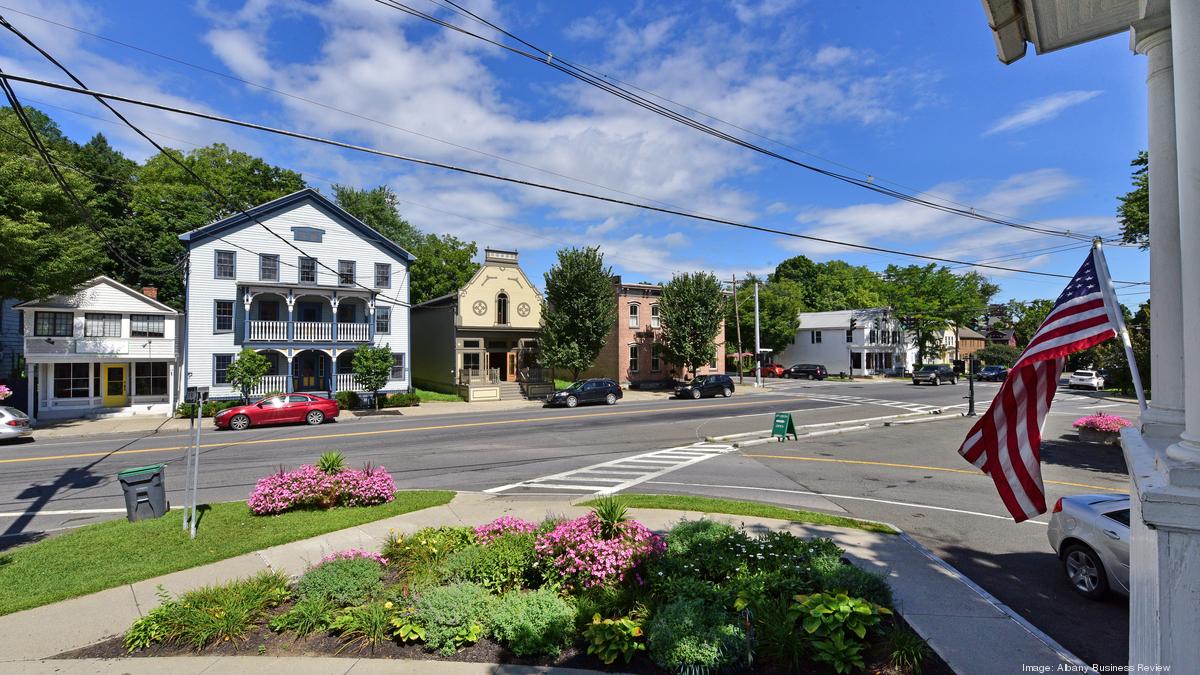
Villages in Ulster County often appeal to buyers looking for convenience and a compact setting. Depending on the location, you may notice:
A hamlet is usually best understood as a place name, not a separate layer of government. Ulster County demographic tools treat many buyer search areas as hamlets or census-designated places, including Accord, Gardiner, Glasco, Highland, Kerhonkson, Port Ewen, Rosendale, Stone Ridge, Tillson, West Hurley, Woodstock, Phoenicia, and Pine Hill.
That is helpful because many buyers search by community name first. Still, a hamlet does not come with one standard pattern for taxes, lot sizes, or services. Those details depend on the town and the zoning district where the property sits.
Two homes with similar mailing addresses can offer very different surroundings if one sits closer to a hamlet center and another sits along a country road. That is because there is no countywide hamlet rule that guarantees a certain lot size or housing style.
Instead, zoning controls the shape of what you are likely to find. In the Town of New Paltz, published density schedules include residential or agricultural districts with 1.5-acre, 3.0-acre, and 1.01-acre minimums, while village-edge business districts include 7,500-square-foot and 5,000-square-foot minimum lots. In Marbletown, published standards show 10,000-square-foot minimums in B-1 and 40,000-square-foot minimums in B-2 and SR districts.
One of the biggest differences between village and hamlet living is the overall housing pattern. Villages usually have a more compact mix of homes, rentals, and nearby businesses. Hamlets and rural areas often offer a wider spread of parcel sizes and more separation between properties.
New Paltz offers a useful example. Village data for 2024 show an estimated population of 8,646, an owner-occupied housing rate of 20.3 percent, a median owner-occupied home value of $414,500, and a median gross rent of $1,672. New Paltz town, which includes the village plus more rural areas, shows a higher owner-occupied rate of 51.4 percent and a median owner-occupied value of $464,400.
Those numbers do not tell you which setting is better. They do show that a village core can look different from the larger town around it, both in housing mix and how people use the area. That is why it helps to compare not just price, but also the kind of daily routine you want.
Village environments also tend to support more mixed-use projects. New Paltz’s NY Forward materials highlight Zero Place, a project with 46 apartments and 8,400 square feet of retail near the Wallkill Valley Rail Trail.
That type of development reflects a pattern you see in many village centers. Homes, shops, civic uses, and public gathering spaces are often closer together. If you want to be near activity, that can be a plus.
For many buyers, the biggest draw of village living is simple: convenience. Villages often pull errands, services, and gathering places into a smaller footprint. That can make daily life feel more connected and more predictable.
New Paltz’s planning materials describe a walkable neighborhood model with a small-format Stewart’s Shop, bike racks, and rail-trail access nearby. Ellenville’s revitalization plan describes a cohesive downtown with arts, restaurants, theater, shops, business activity, and added community services such as childcare and health programs. In Saugerties, the village government organizes functions like village hall, police, fire, water, and public works.
Hamlets can certainly have recognizable centers and local character. But they do not always offer the same concentration of services or the same ease of walking from one daily stop to the next. If your ideal Saturday includes leaving the car parked and heading out on foot, village living may line up more closely with that routine.
Transportation is another practical piece of this comparison. Ulster County Area Transit provides countywide fixed-route bus service and ADA paratransit. The county says UCAT service is fare free.
Current route listings include New Paltz, Ellenville, Stone Ridge, Saugerties, Port Ewen, Woodstock, Phoenicia, Pine Hill, and a Rural Route for designated rural locations. In general, the more built-up village corridors tend to offer the most convenient transit context, while some hamlets and rural areas connect through more limited route patterns.
If you expect to use transit regularly, this is worth checking early in your search. Even two communities that feel close on a map can offer very different day-to-day flexibility.
Many buyers start with a style in mind, but what they really want is a certain pace of life. Villages often trade privacy and land for convenience. Hamlets and countryside settings often trade convenience for space.
If you want a tighter social core, shorter trips to cafes and shops, and a more walkable layout, a village may fit you better. If you want larger lots, more distance from neighbors, and a broader range of property settings, a hamlet or rural location may be the better match.
Neither option is automatically better. The right choice depends on how you want your mornings, evenings, and weekends to feel once you move in.
When buyers weigh village and hamlet living in Ulster County, a few names come up often. For village comparisons, New Paltz and Ellenville are two of the strongest examples of a concentrated, walkable core. Saugerties also stands out as a smaller incorporated village with its own municipal functions.
On the hamlet side, buyers often compare places such as Accord, Gardiner, Glasco, Highland, Kerhonkson, Port Ewen, Rosendale, Stone Ridge, Tillson, West Hurley, Woodstock, Phoenicia, and Pine Hill. These names matter because they reflect how people actually search, tour, and imagine their future routine.
Before you narrow your search, it helps to think beyond square footage and finishes. Ask yourself how you want to live, not just where you want to buy.
A few useful questions include:
Your answers can quickly point you toward the communities that deserve a closer look.
If you are weighing Ulster County hamlets against village living, the best next step is to compare your ideal routine with what each setting actually offers. If you want local insight as you sort through villages, hamlets, and property types across the Hudson Valley, Angela Lanuto can help you focus your search with clarity and confidence.
Stay up to date on the latest real estate trends.






GET IN TOUCH WITH THE ANGELA LANUTO TEAM AT COLDWELL BANKER VILLAGE GREEN REALTY TO LEARN MORE
OFFICE ADDRESS 397 MAIN ST CATSKILL NY 12414