Buying Multi-Unit And Mixed-Use Property In Saugerties
July 23, 2026
July 23, 2026
Thinking about buying a building in Saugerties where you can collect rent, run a business, or do both? These properties can offer real opportunity, but they also come with more moving parts than a typical home purchase. If you are considering a multi-unit or mixed-use property in Saugerties, this guide will help you understand the building types, zoning rules, parking issues, and due diligence steps that matter most. Let’s dive in.
In Saugerties, the type of building you buy shapes everything from daily operations to future renovation plans. The Village of Saugerties is known for its historic Main Street and Partition Street core, where many older buildings were built with storefront space at street level and apartments or offices above.
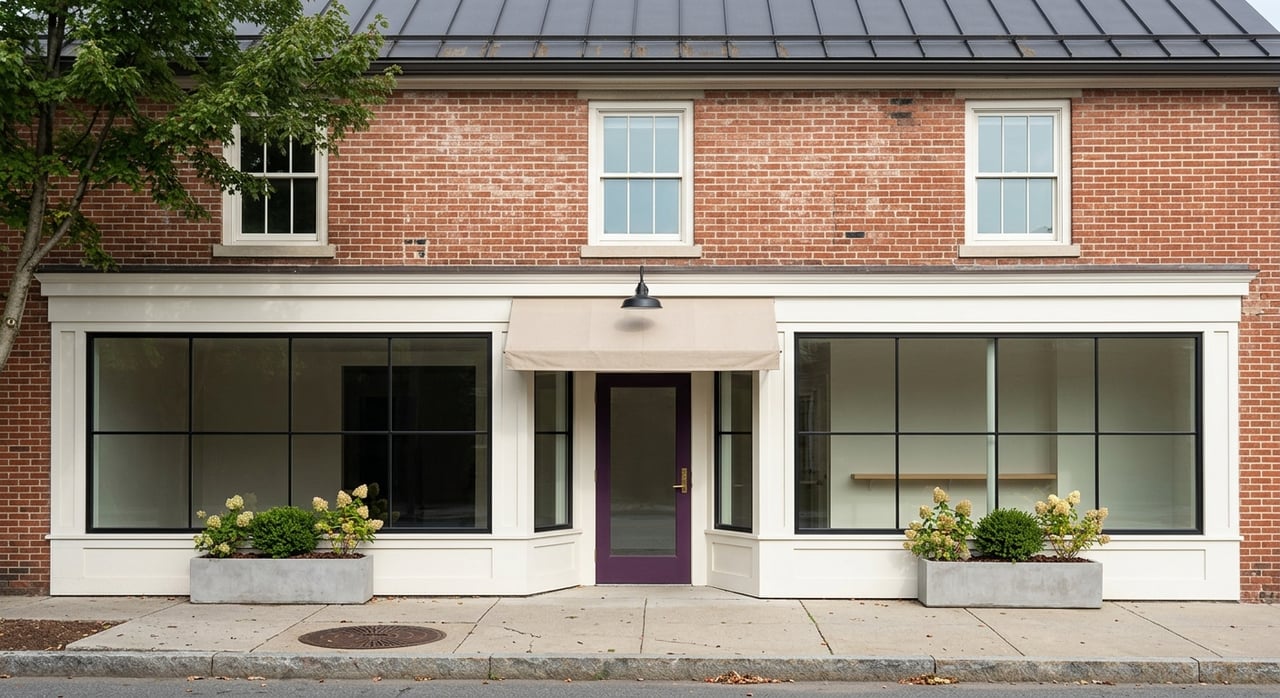
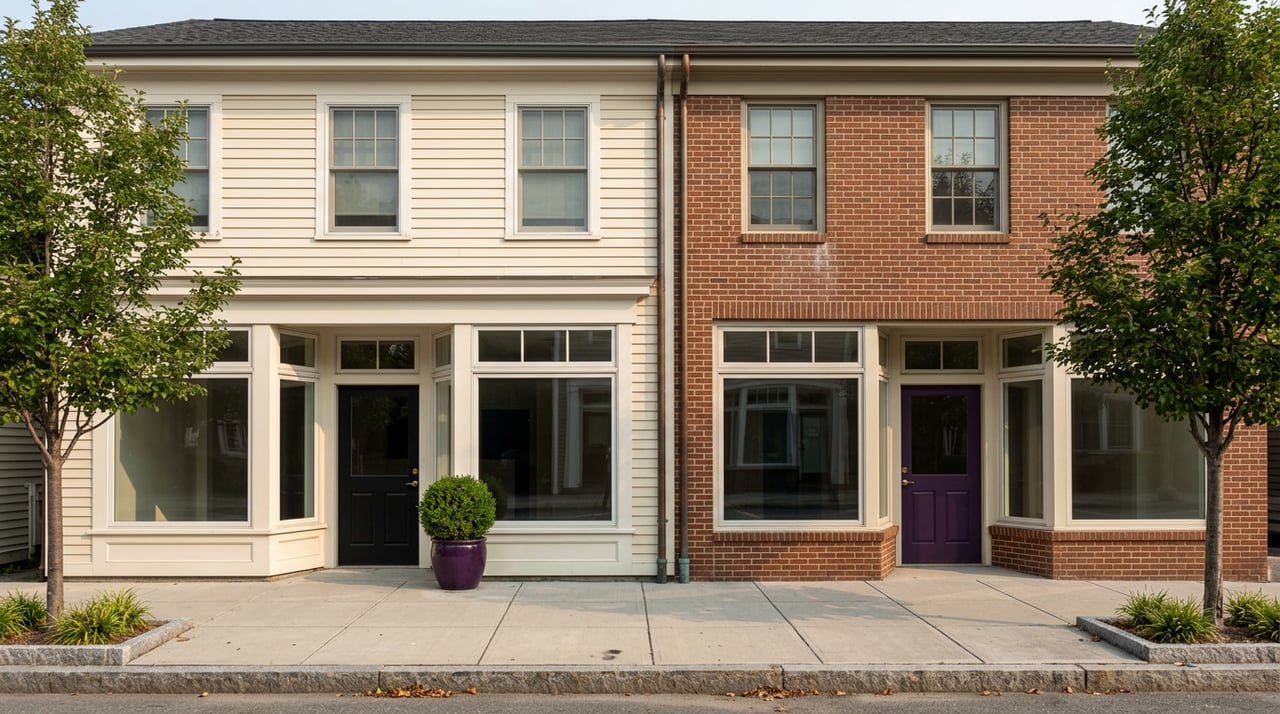
For many buyers, the most recognizable mixed-use option is the classic downtown row storefront. New York State property-class guidance describes these as older two- or three-story buildings with retail or services on the first floor and offices or apartments upstairs. In Saugerties, this is often the closest match for properties in the historic business district.
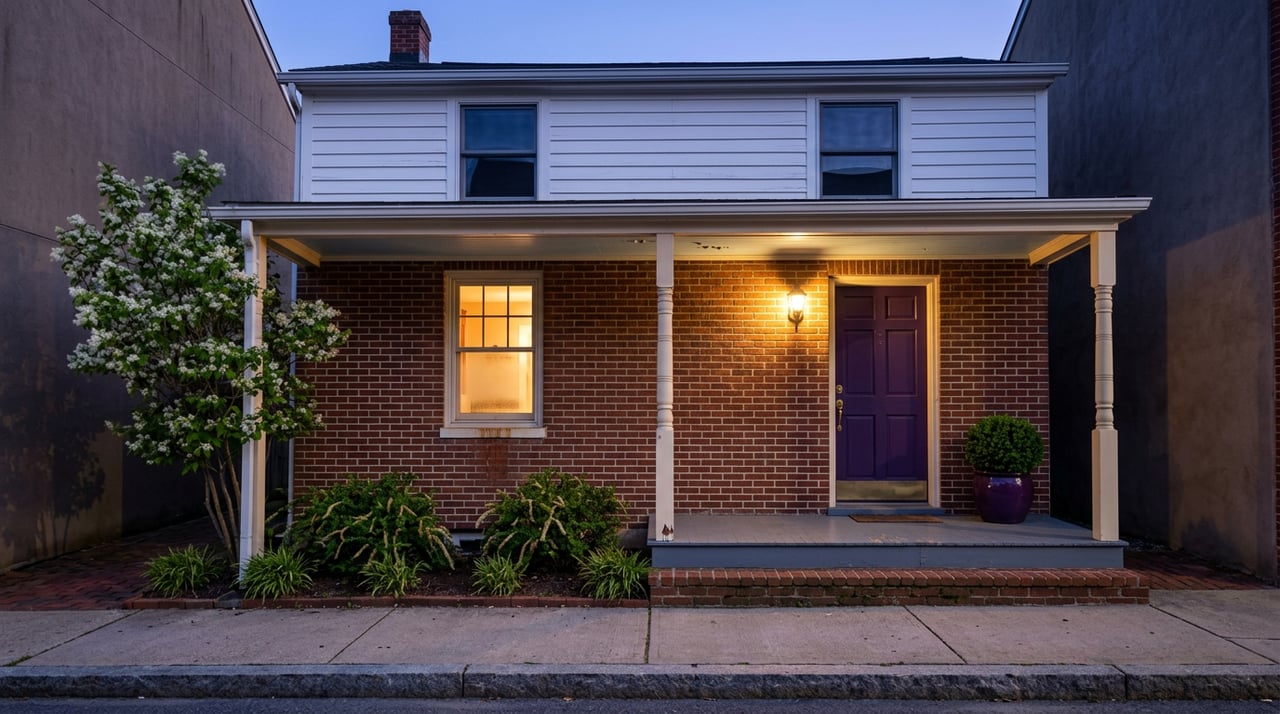
Another common type is the converted residence. These buildings started as homes and were later adapted for office or mixed use, sometimes with an apartment included. They can be a practical fit if you want a smaller-scale property or an owner-occupant setup.
You may also come across one-story commercial structures. These are generally simpler from an operations standpoint and can be adaptable for different uses. Still, they are less typical of the traditional village mixed-use streetscape that many buyers picture when they think of central Saugerties.
In Saugerties, the street address is not just about visibility or charm. It can affect zoning, parking, residential layout, and whether exterior changes need another layer of review. That is especially true if you are comparing a Main Street or Partition Street property to a side-street building nearby.
Main and Partition addresses often offer strong storefront exposure and a classic village setting. At the same time, these locations can come with tighter parking conditions and, in some cases, added historic district review for exterior work or signage. A side-street location may be more practical if you are focused on residential access, quieter living space, or an office-style conversion.
That said, you should not rely on general impressions alone. The exact zoning district and the specific parcel controls are what matter most. In some cases, district lines can follow lot lines or streets, and if a property sits near a boundary, different parts of the parcel may be governed by different rules.
Several village zoning districts are especially relevant when you are buying multi-unit or mixed-use property in Saugerties. The three to pay closest attention to are B-1 Central Business District, BR Business Residential District, and R-3 Mixed Residential.
The B-1 district is intended to support continued use of existing structures for both business and residential purposes while promoting a diversity of uses. This can make it a natural fit for traditional downtown mixed-use buildings.
There is an important limit to understand, though. In B-1, dwelling units may be located in a building with a principal commercial use, but they cannot be placed in a ground-floor area originally designed for or occupied by commercial use. They also cannot be placed below a nonresidential use.
The BR district also allows continued business and residential use of existing structures. For many buyers, the practical difference is that BR can offer more flexibility for residential placement within a mixed-use building.
In BR, residential uses may be located in a building with a principal commercial use, including ground-floor areas originally designed for or occupied by commercial use. If your plan depends on a first-floor residential component, this distinction is a major one.
R-3 is intended for more intensive residential development and professional offices, especially near the Central Business District. Depending on the building and your intended use, this district may be more relevant for a multi-unit residential property or a residential-plus-office configuration than for a classic storefront setup.
If a proposed use is not specifically permitted in the zoning code, the village requires a special use permit from the Planning Board. This is one reason it is so important to verify your intended use early, before you build your budget or business plan around assumptions.
Parking is one of the most important practical issues in Saugerties mixed-use purchases. In the B-1 district, no off-street parking is required for any use except residential uses. For residential uses, the code requires three off-street parking spaces for every two dwelling units.
That rule can have a real impact on what a building can legally support. A property with upper-floor apartments may look attractive on paper, but the parking arrangement still has to work under the code.
There is some flexibility. The village allows residential parking to be located on another lot within 400 feet walking distance if the arrangement will remain available, and some shared-parking reductions may be allowed if the Planning Board finds the arrangement adequate. Even so, parking should be verified, not assumed.
When you evaluate a multi-unit or mixed-use property, total rent alone does not tell the full story. In Saugerties, it is smart to review financials by use type because a mixed-use building is really operating as two or more businesses under one roof.
Separate the residential income from the commercial income. Then compare that income to the legal unit count, the zoning district, the parking plan, and any likely compliance or review costs. Older downtown row buildings can carry different expense patterns than converted residences, especially if parking is limited or exterior changes require additional approvals.
The Town of Saugerties assessor provides access to property record cards, tax maps, the assessment roll, and usable sales. The assessment roll can show details such as the parcel’s property class, school district, parcel size, land assessment, total assessment, full market value, exemptions, and tax description.
For mixed-use properties, New York’s property-class manual can also help you interpret what you are seeing. Relevant mixed-use classes may include:
Code 481 is often the closest fit for the classic storefront-with-apartments-above layout found in parts of Saugerties. On the assessment roll, residential properties are generally grouped in the 200s and commercial properties in the 400s, which can help you make sense of classifications during your review.
Tax planning deserves extra care. The Town assessor notes a March 1 taxable status date for exemption applications. Buyers should also be cautious about assuming a mixed-use exemption will apply.
According to New York State guidance referenced in the research, the mixed-use-in-certain-villages exemption does not apply broadly across the state, and Saugerties should not be treated as eligible based on that program. In other words, do not build your investment model around an exemption that is not available here.
A strong mixed-use purchase in Saugerties usually comes down to careful verification. Before you move forward, make sure you are checking both the physical building and the paper trail behind it.
Start by confirming that the current and intended use is allowed in the property’s zoning district. If your plan depends on a specific residential or commercial arrangement, verify that arrangement directly against the applicable district rules.
Ask whether all residential units are legal and reflected in the certificate of occupancy or certificate of compliance history. The village code enforcement office handles certificates, permits, occupancy changes, and inspections, which makes this a central part of your file review.
If the property will be rented, the village rental-property law matters. Non-owner-occupied residential or mixed-use property must be registered with the Village Building Inspector, and it is unlawful to offer a unit for rent without first registering.
If the owner does not live in Ulster County, a managing agent who resides in Ulster County must be designated. The law also treats short-term rental property as rental property, so that should be reviewed too if it is part of your plan.
Do not rely on old listing remarks or seller assumptions about parking. Confirm whether the current arrangement satisfies the district requirements, including any off-site or shared-parking setup.
Historic review can be a major factor in parts of the village. The historic district includes more than 90 notable buildings, especially along Main Street and Partition Street, and exterior work visible from a public street or alley may require a certificate of appropriateness from the Historic District Review Board.
That can include alterations, restoration, reconstruction, demolition, new construction, or material exterior changes. Sign changes visible from the street can also require approval. If your business plan includes facade updates or signage changes, this needs to be addressed early.
Finally, review the assessment roll for the property class, taxable value, and any listed exemptions. This step helps you confirm how the property is currently categorized and whether the tax profile matches the building you think you are buying.
Buying multi-unit and mixed-use property in Saugerties can be rewarding, especially if you are drawn to village buildings with character, income potential, and long-term flexibility. The key is to look beyond surface appeal and understand how zoning, parking, certificates, rental registration, and historic review all work together.
Because these properties sit between residential and commercial real estate, you benefit from having guidance that can account for both sides of the transaction. If you are exploring mixed-use storefronts, converted residences, or multi-unit opportunities in Saugerties, Angela Lanuto can help you evaluate the details with a local, hands-on approach.
Stay up to date on the latest real estate trends.


GET IN TOUCH WITH THE ANGELA LANUTO TEAM AT COLDWELL BANKER VILLAGE GREEN REALTY TO LEARN MORE

OFFICE ADDRESS 397 MAIN ST CATSKILL NY 12414