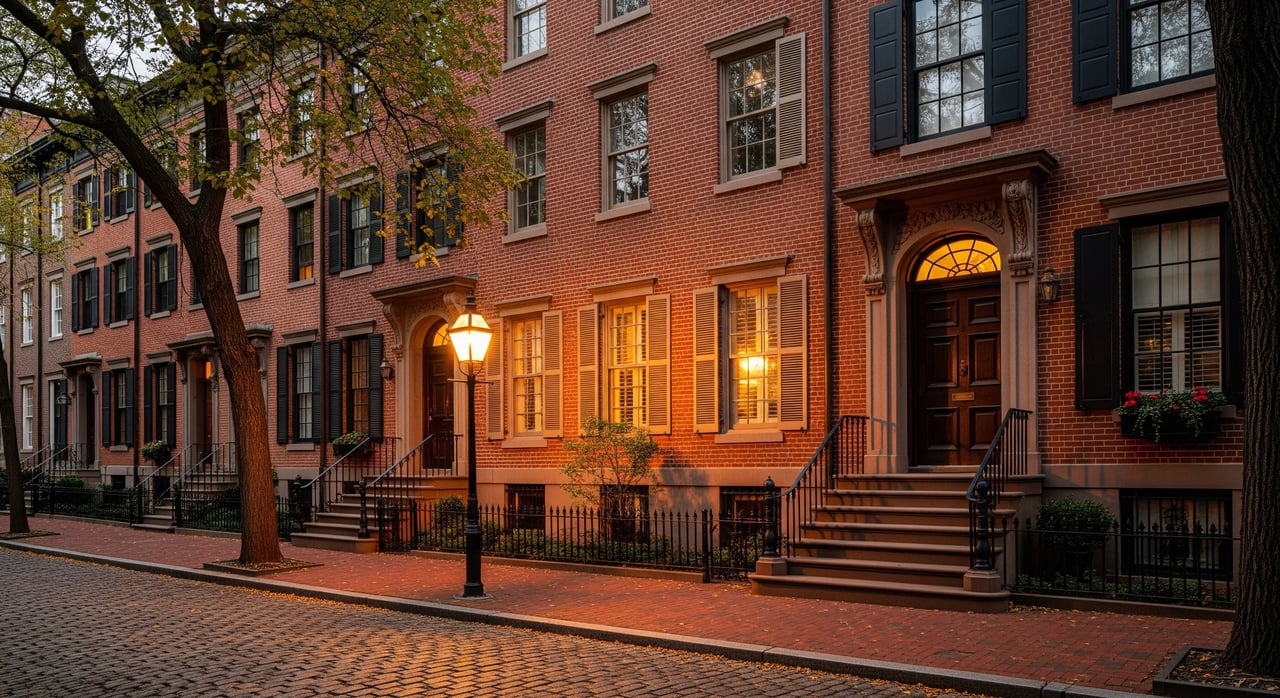
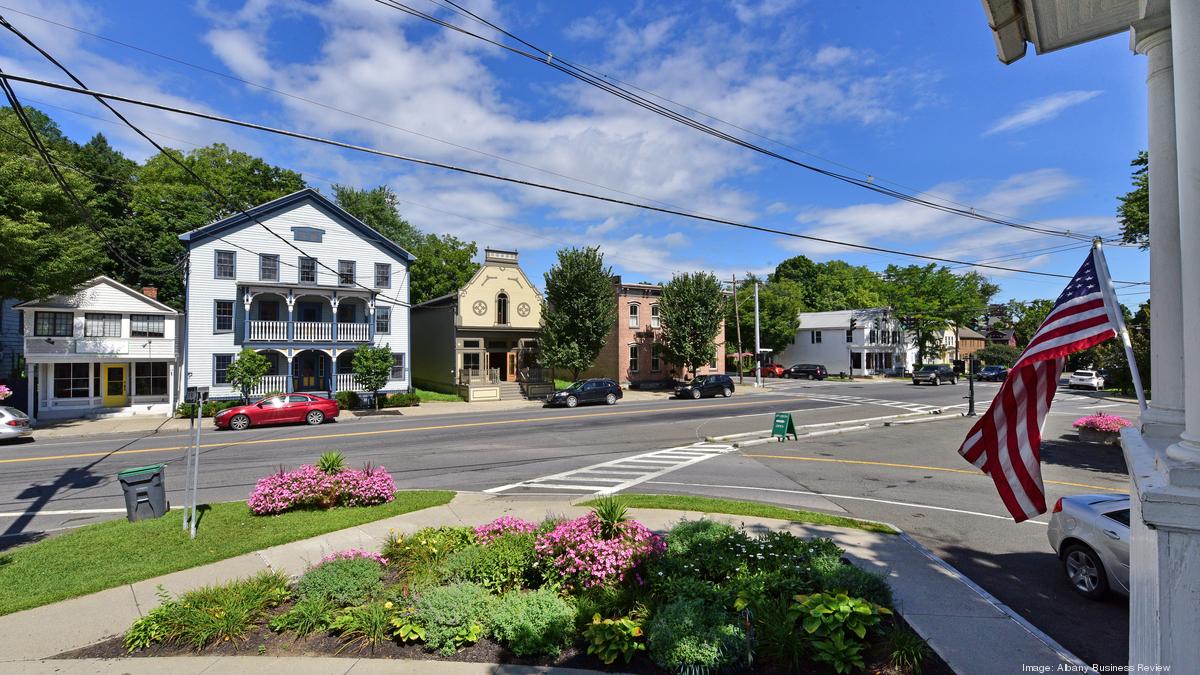
You have your eye on a Hudson rowhouse or a mixed-use storefront with apartments above. The brick, the cornices, the charm — it is easy to fall in love. You also want to avoid costly surprises after you close. In Hudson’s Historic District, a little prep goes a long way.
In this guide, you will learn how local rules work, what projects need approval, realistic timelines, and the checklists to use before you write an offer. You will also see financing and insurance considerations for older buildings. Let’s dive in.
Hudson’s historic rules in plain English
Buying in a local historic district means your exterior changes are reviewed for compatibility. In Hudson, three levels of oversight may apply, but the local rules are usually primary.
- Local oversight: The City of Hudson’s Historic Preservation Commission and the building department typically review exterior work visible from public streets. Local designation is what most owners interact with day to day.
- State oversight: The New York State Historic Preservation Office may be involved if you use state incentives or certain easements.
- Federal oversight: Federal requirements apply only if federal funds, permits, or the Federal Historic Tax Credit are part of your project.
National Register listing alone does not stop a private owner from making changes unless there is state or federal involvement.
What to check first
- Confirm if the property is inside Hudson’s local historic district and whether it is also a designated local landmark.
- Identify the City of Hudson Historic Preservation Commission and the municipal building department as your core contacts.
- Get the city’s preservation ordinance and historic district design guidelines. These outline what needs approval, standards, and the appeals process.
What work needs approval
Exterior work visible from the street is the focus. Plan ahead if your project touches the façade, roof, or site features.
Projects that trigger review
- Demolition or partial removal of historic fabric
- Additions, new construction, or changes to massing and rooflines
- Storefront or façade alterations, including signage and transoms
- Window replacement or changes to window openings
- Porch repair, enclosure, or replacement visible from public ways
- New materials or changes to siding, trim, cornices, and ornamentation
- Fences, railings, and site features seen from the street
- Paint color on primary façades in some districts, depending on local law
Often allowed with minimal review
- In-kind repair or replacement using the same materials and profiles
- Routine maintenance that does not alter historic fabric, per local definitions
- Certain rear or yard changes not visible from public streets, depending on rules
Materials and modern upgrades
Preservation commissions often prefer traditional materials like wood, masonry, and metal. Substitute materials may require proof they match the look and performance of historic materials. Solar panels, satellite dishes, and new mechanicals are commonly reviewed if visible from public areas. Concealed placement is usually preferred.
Mixed-use and storefront specifics
- Storefront restoration typically follows guidance that preserves historic patterns and materials. Compatible modern signage and lighting are usually possible.
- Accessibility upgrades such as ramps or lifts are encouraged but need design review to meet both code and preservation goals.
- Tenant build-outs inside the building usually do not trigger preservation review unless they alter the exterior.
How the approval process works
You will likely interact with two main approvals: the historic review and the building permit. Larger projects can also involve zoning.
Common approvals
- Certificate of Appropriateness: Confirms exterior changes meet district standards.
- Building permit: Covers structural, electrical, plumbing, and mechanical work.
- Demolition permit: Often more rigorous, with potential delays or hardship review.
- Zoning or site plan approvals: For changes in use, additions, or site changes.
Step-by-step process
- Early contact: Ask the Historic Preservation Commission or staff for pre-application guidance.
- Submit your COA application with drawings, photos, material samples, and a short narrative.
- Staff reviews the application. If required, it is scheduled for a public meeting.
- Commission decision: Approval, approval with conditions, denial, or a request for more information.
- Secure your COA before applying for the building permit if the city requires it.
- Apply for the building permit with plans and contractor details.
- Receive the permit and proceed with work.
- Final inspections and closeout at completion.
Realistic timelines
- Minor administrative approvals: Often 1 to 4 weeks
- Full COA with a public meeting: Commonly 4 to 8 weeks from submittal to decision
- Complex projects or tax credit coordination: Often several months
- Building permits: Weeks for minor work, months for large structural or commercial scopes
Delays usually come from incomplete applications, requested revisions, contractor scheduling, or coordination with state or federal reviews if incentives are involved.
Timing tips for buyers
- Ask the seller for records of prior COAs and permits.
- Include a COA and permit contingency in your offer if you plan exterior work.
- If you anticipate a large scope, consider outreach to the commission before making an offer or use a multi-stage contingency with clear deadlines.
Smart due diligence before you write an offer
Use this checklist to organize your pre-offer work.
Immediate pre-offer checks
- Verify the property’s local historic district and landmark status.
- Request copies of recent COAs, building permits, and any commission correspondence.
- Review the preservation ordinance and design guidelines to spot likely triggers.
- Call or visit city staff to confirm whether your planned changes need a COA and typical review timelines.
Inspections and documentation
- Full building inspection for structure, roof, mechanicals, and common older-building hazards such as lead paint or asbestos.
- Architectural survey or measured drawings if you plan to modify the building.
- As-built photos of all façades, porches, storefronts, and key details to document condition.
- Title review for any preservation easements or covenants that may add restrictions.
Contractors, costs, and contingencies
- Get ballpark estimates from contractors experienced with historic rehab. Specialty trades may cost more and require longer lead times.
- Budget for masonry, carpentry, and window restoration when original materials can be saved.
- Add a COA and permit contingency to your purchase contract with a realistic timeline buffer.
Project planning
- Consider phasing work. Stabilize the exterior first, then handle larger rehabilitation tasks.
- Check if interior renovations will trigger code upgrades for egress, sprinklers, or fire safety.
- For mixed-use buildings, coordinate tenant needs early and confirm any separate permits for commercial spaces.
Post-purchase obligations
- Build exactly as approved in the COA. Field changes may require additional review.
- Keep all permits and COAs on file. These records add value at resale and can help with incentives.
Budget, financing, and incentives
Historic buildings can be excellent long-term assets. Plan for the costs and leverage programs that fit your project.
Tax credits and grants
- Federal Historic Tax Credit: Available for certified rehabilitation of income-producing historic buildings. It requires adherence to the Secretary of the Interior’s Standards and coordination with state and federal reviewers. This applies to rental or commercial properties, not owner-occupied single-family homes.
- New York State programs: Incentives and grants change over time. Confirm current details with the state preservation office and economic development resources.
- Local programs: Municipal façade grants or other incentives may be available. Check with Hudson’s planning or economic development offices.
Financing options
- Renovation loans: FHA 203(k), Fannie Mae Homestyle, and similar products can finance purchase plus qualified rehab work. Lenders will evaluate your scope and costs.
- Appraisal: Historic character, condition, or code needs can affect valuation and underwriting. Appraisers familiar with historic properties are helpful.
Insurance considerations
- Older systems may lead to higher premiums. Insurers can require upgrades to electrical, heating, or fire safety.
- Flood risk: Hudson’s proximity to the river means some areas can be in a flood zone. Review flood maps and consider flood insurance if applicable.
- Mixed-use coverage: For commercial components, evaluate business interruption, tenant liability, and commercial policy options.
Cost tradeoffs to expect
- Historically sensitive work may cost more than off-the-shelf replacements.
- Repairing original materials, such as wood windows, can be cost-effective over time if deterioration is addressed early.
Your first 90 days: a sample plan
Every project is different, but this sequence is common in Hudson’s district.
- Weeks 1 to 2: Confirm district status, gather past COAs and permits, and meet with commission staff for pre-application guidance.
- Weeks 3 to 4: Finalize your concept with an architect or contractor, assemble drawings, photos, and material samples.
- Weeks 5 to 8: Submit your COA application, attend the meeting if required, and incorporate any conditions.
- Weeks 6 to 10: Apply for the building permit as soon as your COA is issued. Align contractor schedules.
- Ongoing: Order longer lead materials and plan for phased work if needed.
Common mistakes buyers can avoid
- Starting visible exterior work before a COA is issued
- Ordering windows or doors before the commission weighs in on profiles and sightlines
- Assuming interior-only projects cannot trigger code upgrades that affect exterior items
- Skipping a flood risk review for low-lying locations
- Underestimating costs for specialized trades and custom materials
Mixed-use buyers: extra items to plan
If you are purchasing a building with a storefront and apartments above, build these into your plan.
- Storefront design: Expect guidance on transoms, display windows, and bulkheads. Compatible modern signage and lighting are usually possible.
- Accessibility: Plan for compliant paths, ramps, or lifts that also meet preservation goals.
- Tenant impacts: Coordinate schedules and any separate permits for the commercial space to reduce downtime.
Why partner with a local team
You want a smooth path from offer to opening the door for the first time. A team that knows Hudson’s process can help you structure contingencies, introduce qualified contractors, and time your COA and permit submissions to reduce delays. You also benefit from market perspective across residential, luxury, multi-family, and commercial properties in the Hudson Valley.
If you are exploring a Hudson rowhouse or mixed-use asset, let’s talk about your plan, budget, and timeline. Start a conversation with Angela Lanuto to move forward with clarity and confidence.
FAQs
What does Hudson’s historic district regulate for owners?
- Exterior changes visible from public streets, including façades, roofs, windows, porches, storefronts, signage, and site features. Demolition gets closer review.
How long does a Certificate of Appropriateness usually take?
- Minor administrative approvals often take 1 to 4 weeks. Full COAs with public meetings commonly take 4 to 8 weeks. Complex projects can take longer.
Do I need approval to change a storefront in Hudson?
- Yes. Storefront alterations visible from the street typically require a COA. There is usually strong guidance to keep historic storefront patterns and materials.
Can I install solar panels on a Hudson rowhouse?
- Often yes, if placement is concealed or low-visibility. Panels visible from public areas can be reviewed for compatibility. Ask staff before you design the layout.
Are there incentives for renovating an income-producing property?
- The Federal Historic Tax Credit can apply to certified rehabilitation of income-producing historic buildings. State and local programs may also be available.
What insurance issues should I expect with a historic property?
- Older systems can raise premiums, and upgrades may be required. Check flood risk for low-lying areas and consider business coverage for mixed-use buildings.