Leave a Message

Thank you for your message. We will be in touch with you shortly.

How Ski Season Impacts Hunter’s Housing Market

November 21, 2025

Planning a move in Hunter this year? If you’ve ever watched listings fly off the market in January but sit longer by April, you’ve seen ski season’s power at work. In Hunter, winter tourism shapes demand, pricing, and the pace of sales more than any other factor. In this guide, you’ll learn how seasonality impacts prices and days on market, how lift proximity affects value, and what timing strategies work best whether you’re buying or selling. Let’s dive in.

Why winter changes demand

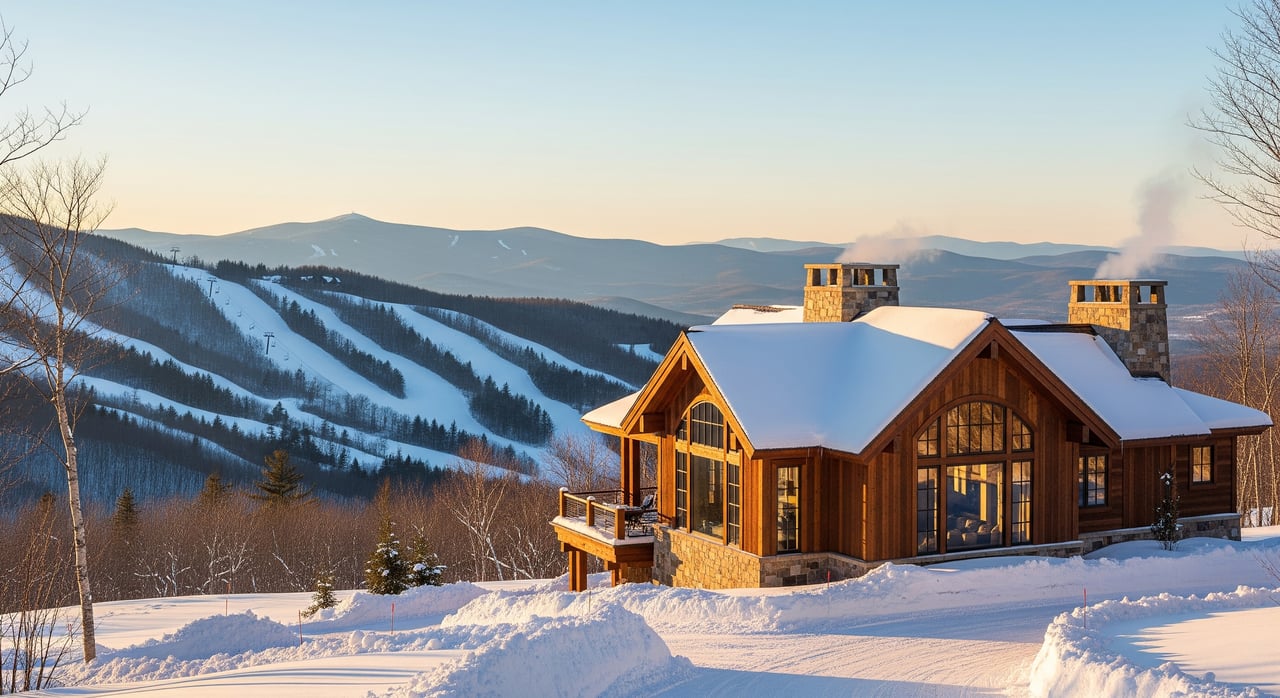
Hunter Mountain drives the winter calendar. Weekend visitors, holiday weeks, and school breaks bring concentrated traffic that spills into open houses and buyer tours. Short‑term rental demand peaks during this stretch, which influences what second‑home buyers and investors are willing to pay.

Even though Hunter attracts year‑round visitors for hiking and events, the winter months create the most intense demand window. If you are planning a sale or purchase, understanding this rhythm helps you set expectations and act with confidence.

Pricing and days on market by season

Pre‑season: late summer to early fall

Inventory usually ticks up as owners prepare to list before ski season. Buyers who want a home ready for the first chair tend to shop in this period. You can often capture motivated second‑home buyers ahead of peak winter, especially for lift‑proximate condos and turn‑key homes.

Early winter: November to mid‑December

Visitation builds but can be uneven until snowpack is consistent. Holiday bookings start to ramp up. Listings still benefit from pre‑holiday interest, yet buyers may negotiate a bit more if snow is late or inventory is higher.

Peak ski season: mid‑December to March

This is the busiest period for showings and offers. Properties suited for weekenders or short‑term rentals typically see faster days on market and stronger sale‑to‑list ratios, especially during holiday weeks and long weekends. Homes and condos close to lifts often command premiums because winter revenue potential is highest now.

Spring melt and shoulder: late March to May

Demand softens after the season ends. Days on market usually lengthen, and buyers may gain leverage. If your strategy relies on winter buyers, pricing and presentation matter more in this window.

Summer and fall: June to October

Demand is steady but less intense than winter. Outdoor events and festivals support moderate short‑term rental income. Second‑home showings continue, though urgency is lower than during ski season.

Lift proximity and pricing

What “lift‑access” really means

  • Ski‑in/ski‑out: direct access to a maintained slope from the property.
  • Very short walk or drive: typically within 0.25 to 0.5 mile of the base area.
  • Short drive: roughly 5 to 15 minutes to the resort.
  • Beyond 15 to 20 minutes: generally considered non‑lift‑proximate.

These categories matter because convenience is a primary driver for second‑home buyers and STR guests. The closer the property is to the lifts, the easier it is to attract repeat winter bookings and justify higher nightly rates.

How proximity shapes value

Lift‑proximate condos in base‑area settings often achieve higher price per square foot. Single‑family homes near the mountain can also see a premium, especially if they offer practical features like parking, mudrooms, and storage for gear. The exact premium varies, so you want local comps grouped by distance and property type to see how proximity translates in today’s market.

How to compare comps

  • Group recent sales by distance bands, like within 0.25 mile, 0.5 mile, and 1 mile.
  • Compare median price per square foot, median days on market, and sale‑to‑list ratio within each band and property type.
  • If you are investing, supplement with STR performance indicators to estimate the value of winter revenue.

Short‑term rentals in Hunter

Why winter revenue drives decisions

For many owners, winter provides the highest occupancy and the strongest average daily rates. Those months can make up a large share of annual revenue. Buyers who model winter performance correctly may be willing to pay a premium for properties that do well from mid‑December through March. At the same time, you should account for lower occupancy and rates in the off‑season.

Key STR metrics to review

  • Occupancy rate by month, especially December through March.
  • Average daily rate by month and during holidays.
  • Monthly revenue and RevPAR trends.
  • Booking lead times and peak booking windows.
  • Share of repeat guests compared with new visitors.

Regulations, taxes, and operations

Local rules can affect profitability and eligibility for short‑term rentals. Confirm whether permits or registrations are required, and review any occupancy limits or HOA restrictions. Be prepared to collect and remit applicable occupancy, sales, or transient taxes. Lenders and insurers treat second homes and investments differently, so financing and coverage may vary.

Recommended sources include the Town of Hunter municipal code and planning or zoning office, Greene County tax and tourism departments, HOA or condo declarations if applicable, and local real estate attorneys or property managers with Hunter experience.

Timing strategies for sellers

If you want winter buyers

  • Prepare early for pre‑season. Listing in late summer or early fall can capture buyers who want a home ready for opening day.
  • If you are marketing to investors, compile STR evidence. Provide seasonal occupancy, ADR ranges, revenue history, and any permits or registrations.
  • Price to the season. During peak ski months, well‑positioned homes can see quicker interest, but you may also face more competition if inventory rises.

If you plan to list after ski season

  • Expect longer marketing windows. Days on market often rise in spring.
  • Highlight year‑round appeal. Photography and staging that showcase summer decks, trails, or nearby events can offset the post‑season lull.
  • Stay flexible on pricing. Be ready to respond to feedback and showing patterns.

Timing strategies for buyers

If lift proximity is a must

  • Shop early. Highly desirable lift‑proximate units are scarce. Securing one before peak winter can reduce bidding pressure.
  • Use proximity‑based comps. Compare like‑for‑like by distance, condition, and property type.
  • Plan financing upfront. Understand the differences between second‑home and investment loans and how potential rental income will be viewed.

If you prioritize price

  • Consider shoulder months. You may see more negotiability after the season ends, but expect less selection near the lifts.
  • Model conservatively. If rental income matters, stress test for lower‑than‑expected winters or changes to local rules.
  • Focus on fundamentals. Parking, storage, practical layouts, and low‑maintenance finishes matter for both personal use and guest stays.

What to include in an offer

  • Clear comps that reflect lift proximity and property type.
  • Evidence of STR potential when relevant, such as seasonal ADR and occupancy trends.
  • A financing plan that matches your use, second home or investment, including any lender requirements.
  • Timelines aligned with peak periods, especially if you want the home ready for holiday weeks.

Risks to plan for

  • Weather variability. Shorter seasons or low snowfall can reduce winter visitation and rental income.
  • Regulation changes. Municipal rules may shift, adding registration, inspections, or caps that impact STR economics.
  • Small‑market data. Hunter’s size can lead to thin comps and month‑to‑month volatility, so use multi‑year trends for decisions.
  • Broader market shifts. Interest rates and travel patterns can influence second‑home demand separate from snow conditions.

Work with a local team

Ski season shapes the Hunter market, but the best timing and pricing strategy depends on your specific property and goals. A local advisor who studies proximity‑based comps, seasonal DOM, and STR performance can help you move with confidence. The Angela Lanuto Team pairs community‑rooted service with professional marketing and deep knowledge of Greene County’s ski‑driven housing patterns.

If you are considering a sale or purchase in Hunter, we are here to help you plan the right steps and timing. Connect with Angela Lanuto to start a targeted strategy for winter, spring, or beyond.

FAQs

When is the best time to list a Hunter, NY home for top exposure?

  • Late summer through early winter often captures motivated second‑home and STR buyers, with peak activity around holiday weeks and winter weekends.

How much more do lift‑proximate Hunter properties sell for?

  • Premiums vary by property type and distance, so compare local comps grouped by proximity bands to see how price per square foot and DOM shift near the lifts.

What share of STR revenue in Hunter usually comes from winter months?

  • Winter tends to deliver the highest occupancy and ADR, and often represents the largest share of annual revenue, though the exact mix depends on the property.

Do I need permits or to collect taxes to run a short‑term rental in Hunter?

  • Check Town of Hunter rules and Greene County requirements for registration, occupancy limits, and applicable taxes, then verify with a local attorney or property manager.

Is it better to buy a Hunter home as a second home or an investment property?

  • It depends on your use and financing plan. Lenders and insurers treat these differently, so clarify loan terms, down payment, and income treatment before you shop.

How do low‑snow winters affect Hunter property values over time?

  • Low‑snow seasons can reduce near‑term STR revenue and demand, so use conservative models and multi‑year data when assessing long‑term value and pricing.

Work With Us